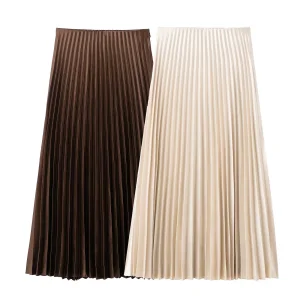
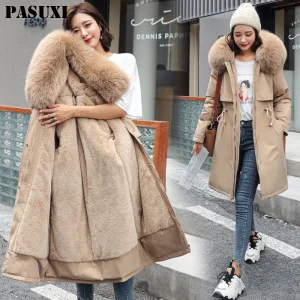
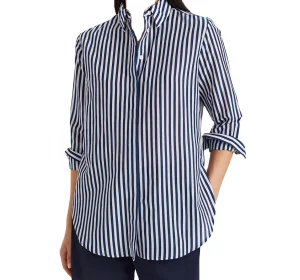
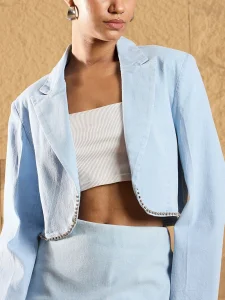
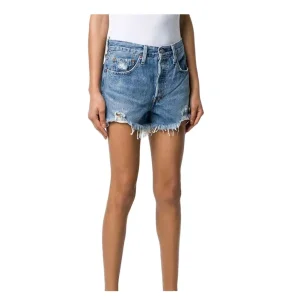
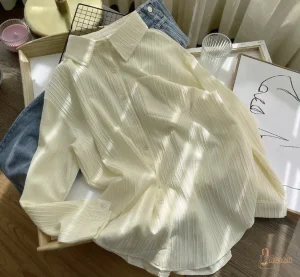
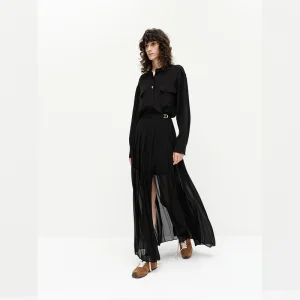
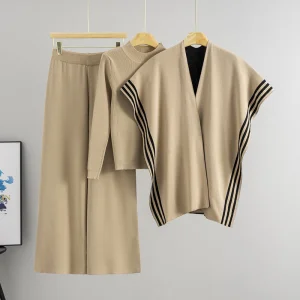
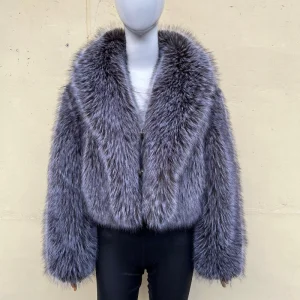
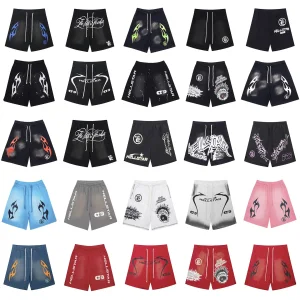
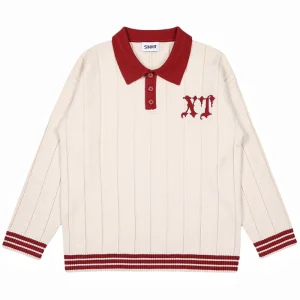
Explore a selection of high-grade custom fabrics, casual outerwears, cotton dresses, and tactical pieces manufactured to meet strict international standards.
The global cotton dress industry is witnessing structural shifts driven by sustainability mandates, consumer demands for eco-friendly apparel, and advanced material sciences. Industrial buyers no longer look solely at unit cost; the modern criteria encompass environmental footprint, raw material transparency, chemical safety certifications (e.g., OEKO-TEX Standard 100), and vendor capacity for rapid-response supply chains.
Cotton remains the fiber of choice for global retailers. Valued for its natural comfort, breathability, and dye absorption, cotton dresses occupy a dominant market share in both daily casual wear and upscale eco-conscious categories. Leading exporters in East Asia, Southeast Asia, and Central Europe have designed specialized clusters to accommodate different production needs, from high-volume standardized apparel to artisanal and low-MOQ premium lines.
Global regulations and consumer pressure have accelerated the market for GOTS (Global Organic Textile Standard) certified cotton. Buyers require traceable supply chains where cotton is verified from farm to finished garment.
Innovations like cotton-poly with elastic recovery, linen-cotton blends, and moisture-wicking organic fibers allow modern cotton dresses to resist wrinkles and adapt across climate conditions, boosting market demand.
Brands now use a "China + 1" or hybrid supply chain model. China remains the primary powerhouse for high-tech complexity, while Vietnam or Bangladesh are utilized for simple, ultra-high-volume commodity runs.
For B2B procurement managers, evaluating export locations goes beyond raw cost-per-unit metrics. The table below outlines key dimensions that distinguish top textile hubs globally:
| Country / Region | Specialization | Production Capacity | Fabric R&D / Tech Integration | Lead Times & Agility |
|---|---|---|---|---|
| China (Zhejiang/Guangdong) | Custom designs, tech blends, automated large-scale & low-MOQ runs | Ultra-High (100k+ units/month per factory) | Advanced (Smart cutting, digital printing, 3D sampling) | Excellent (15-25 days average) |
| India (Tirupur/Gujarat) | Organic raw cotton, traditional dyes, lightweight summer cotton | High | Moderate (Focussed on traditional yarns) | Medium (30-45 days) |
| Bangladesh | Basic jersey cotton dresses, massive bulk contracts | Ultra-High | Basic to Moderate | Long (45-60 days) |
| Vietnam | Mid-to-high scale sports/casual cotton blends | High | Moderate | Medium (30-45 days) |
| Turkey | Fast-fashion premium cotton, close proximity to Europe | Moderate to High | High (Innovative premium knitting) | Fast (15-30 days for EU) |
The Zhejiang industrial cluster in China offers unmatched efficiency. High concentration of raw fabric suppliers, accessory makers, dynamic logistic routes, and automated technologies form an environment where production lead times can be compressed by 40% compared to other regions.
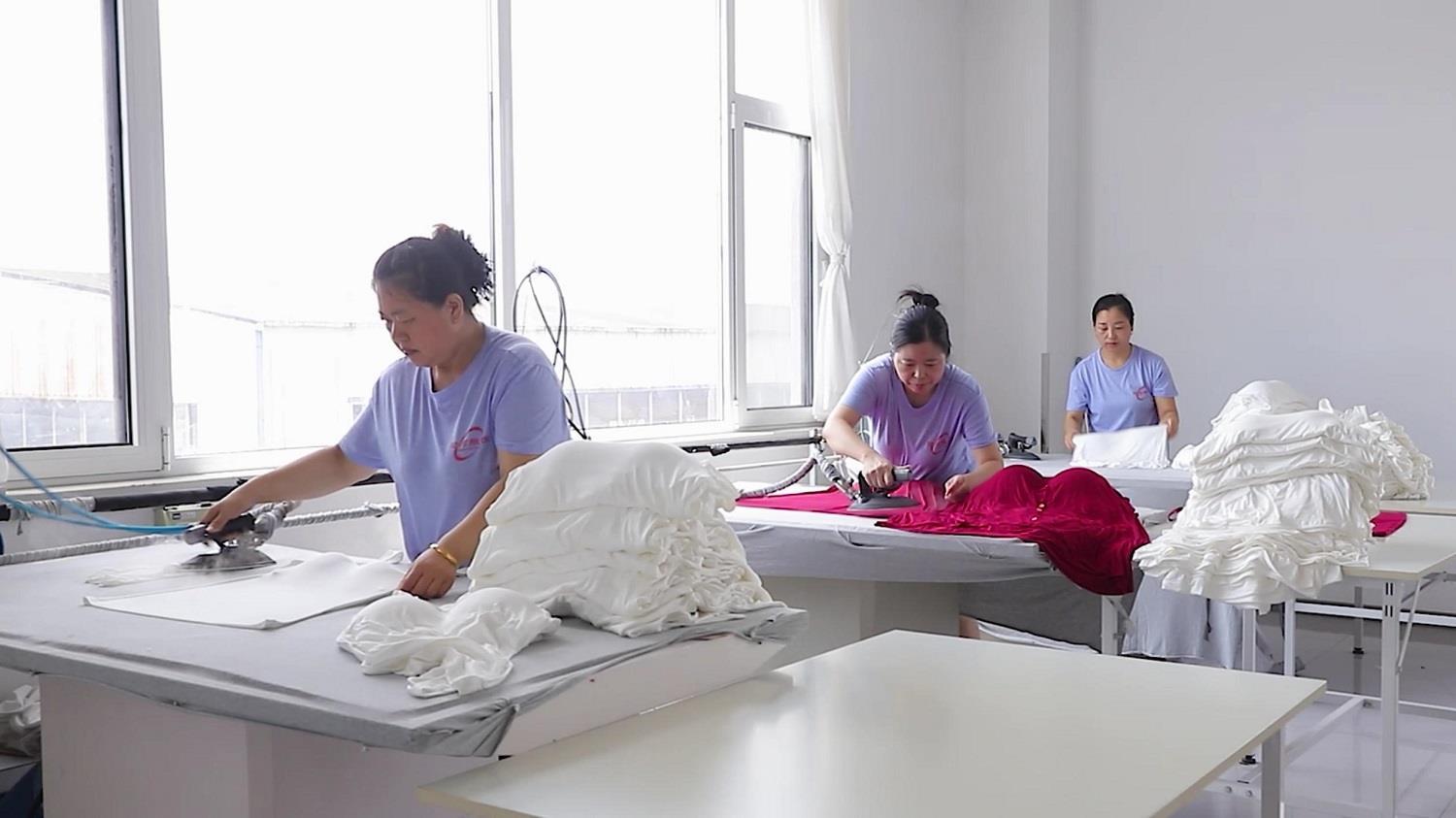
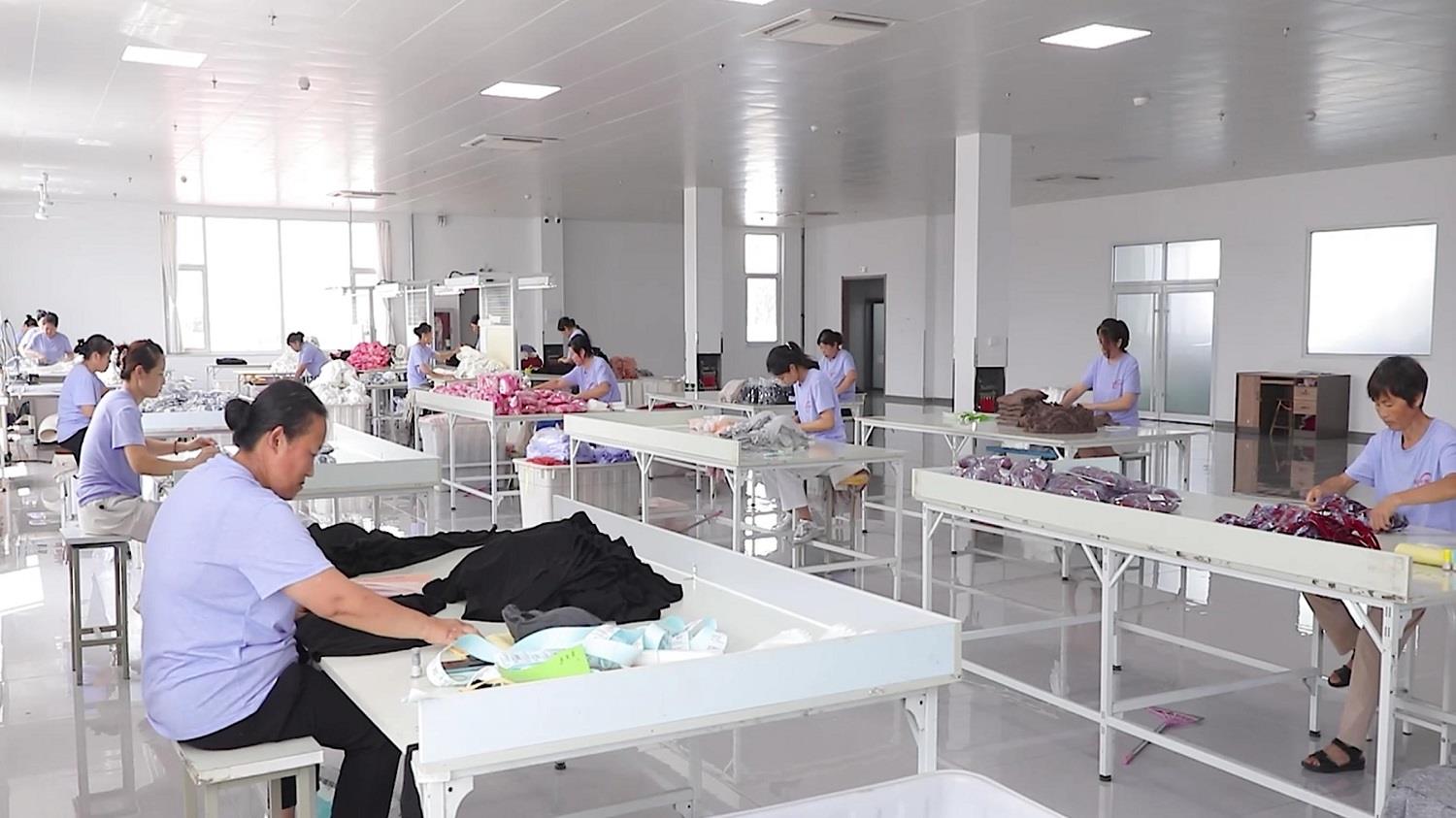
At the center of this apparel cluster is Zhejiang Orap Clothing Co., Ltd.—a professional garment manufacturer specializing in design, sample development, production, and global sales. With a focus on structural efficiency, high-speed automated equipment, and strict quality control, Orap delivers complex cotton, linen, denim, and blended garments for international fashion houses, wholesalers, and e-commerce brands.
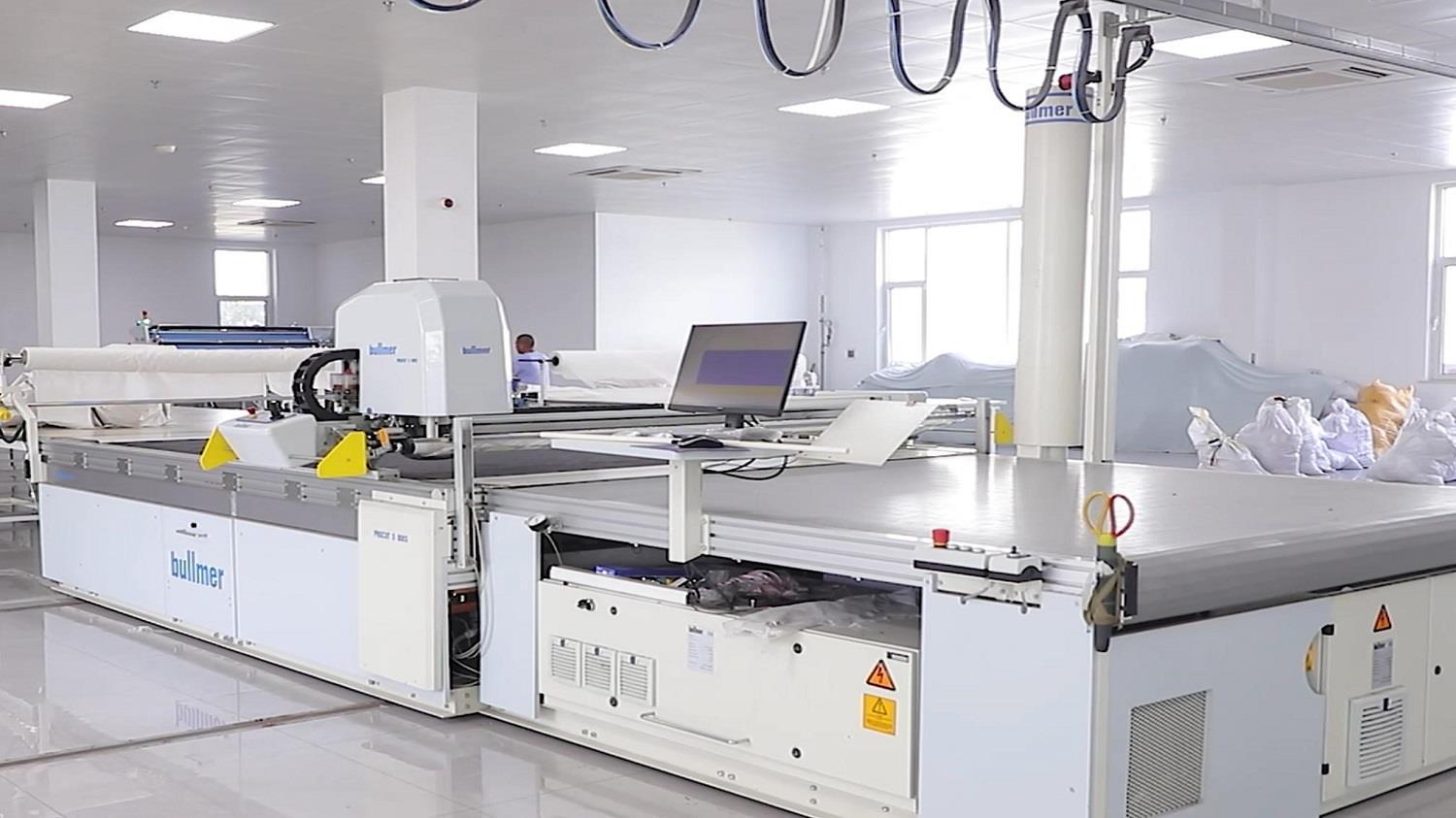
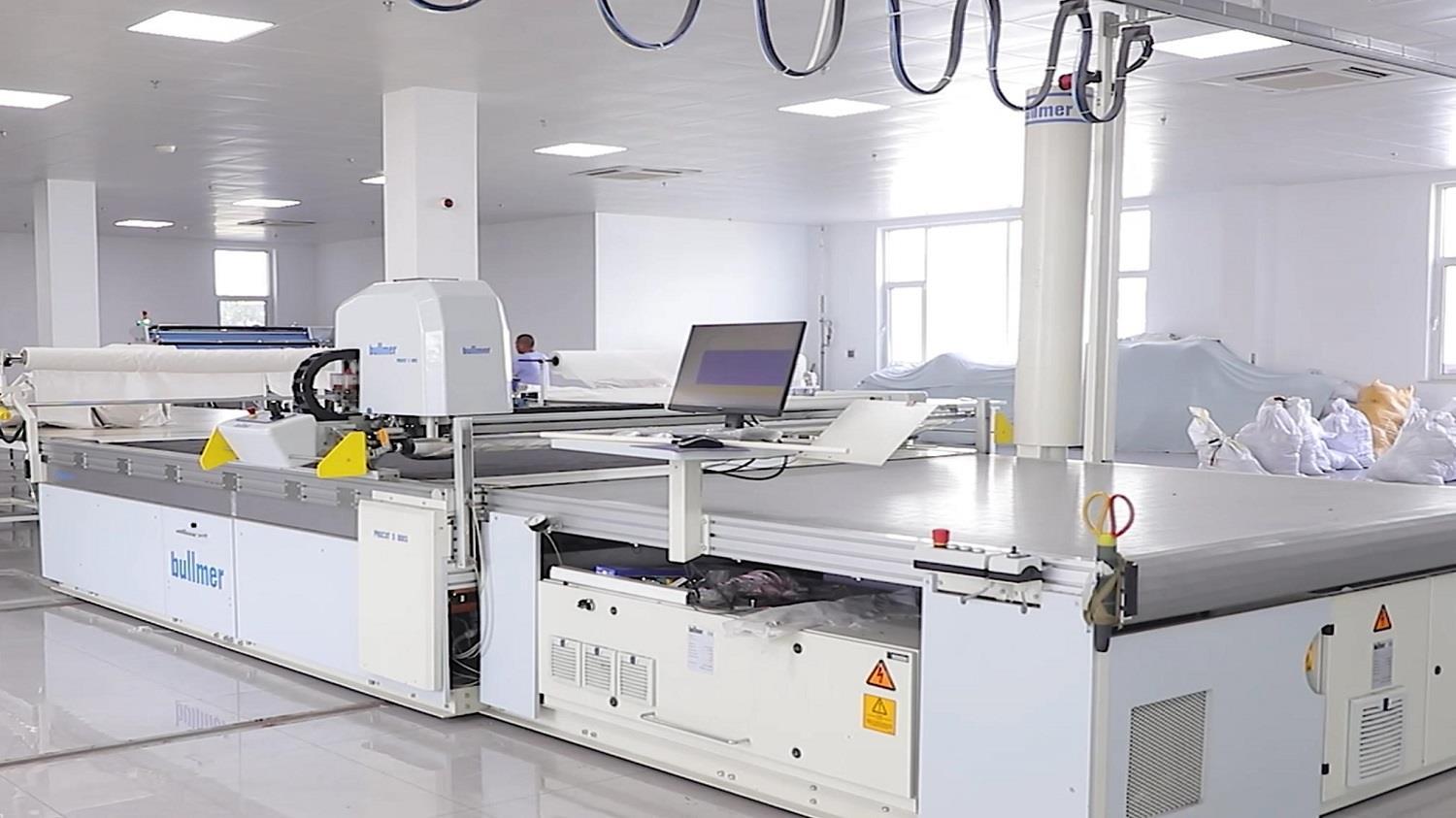
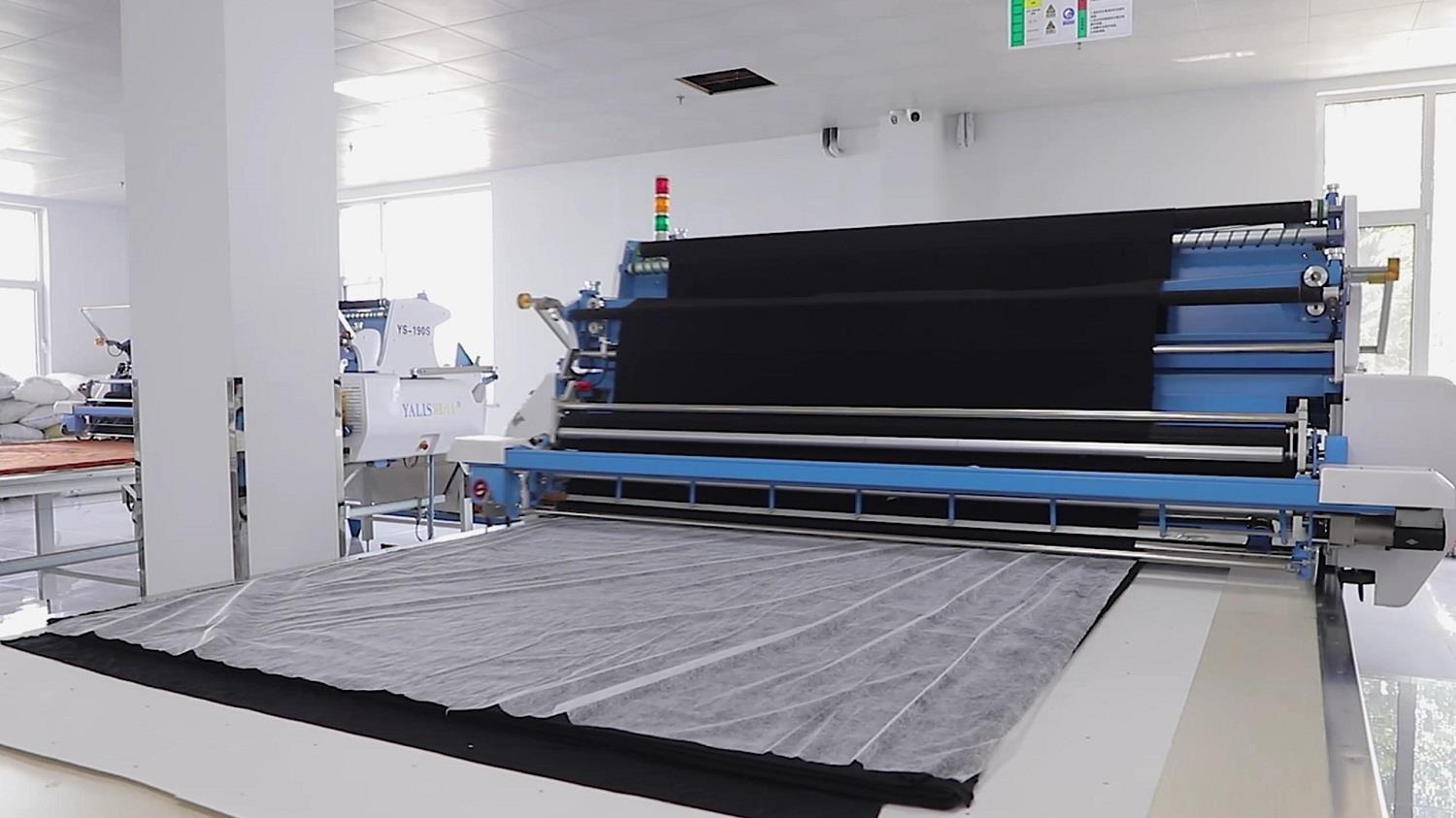
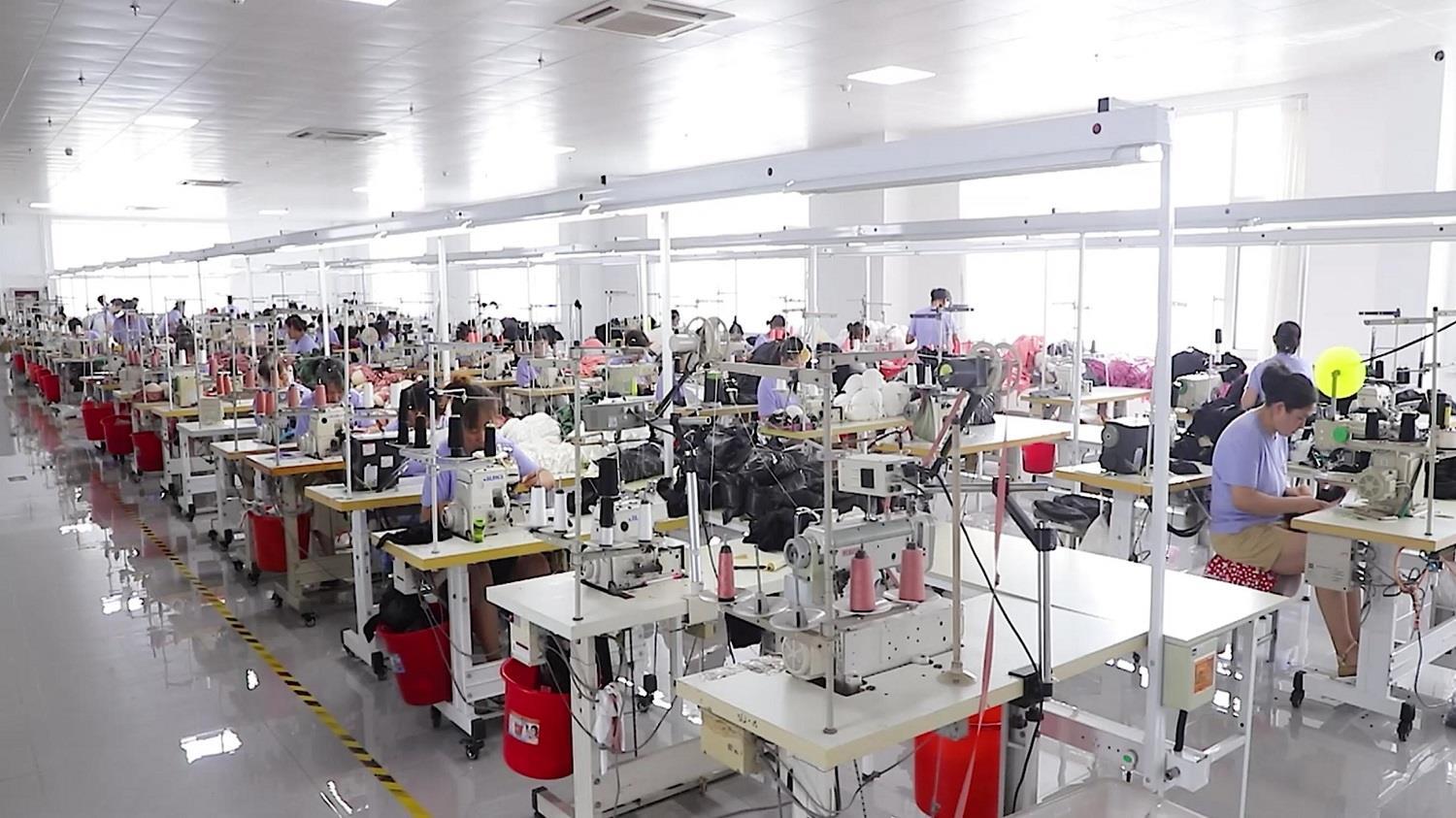
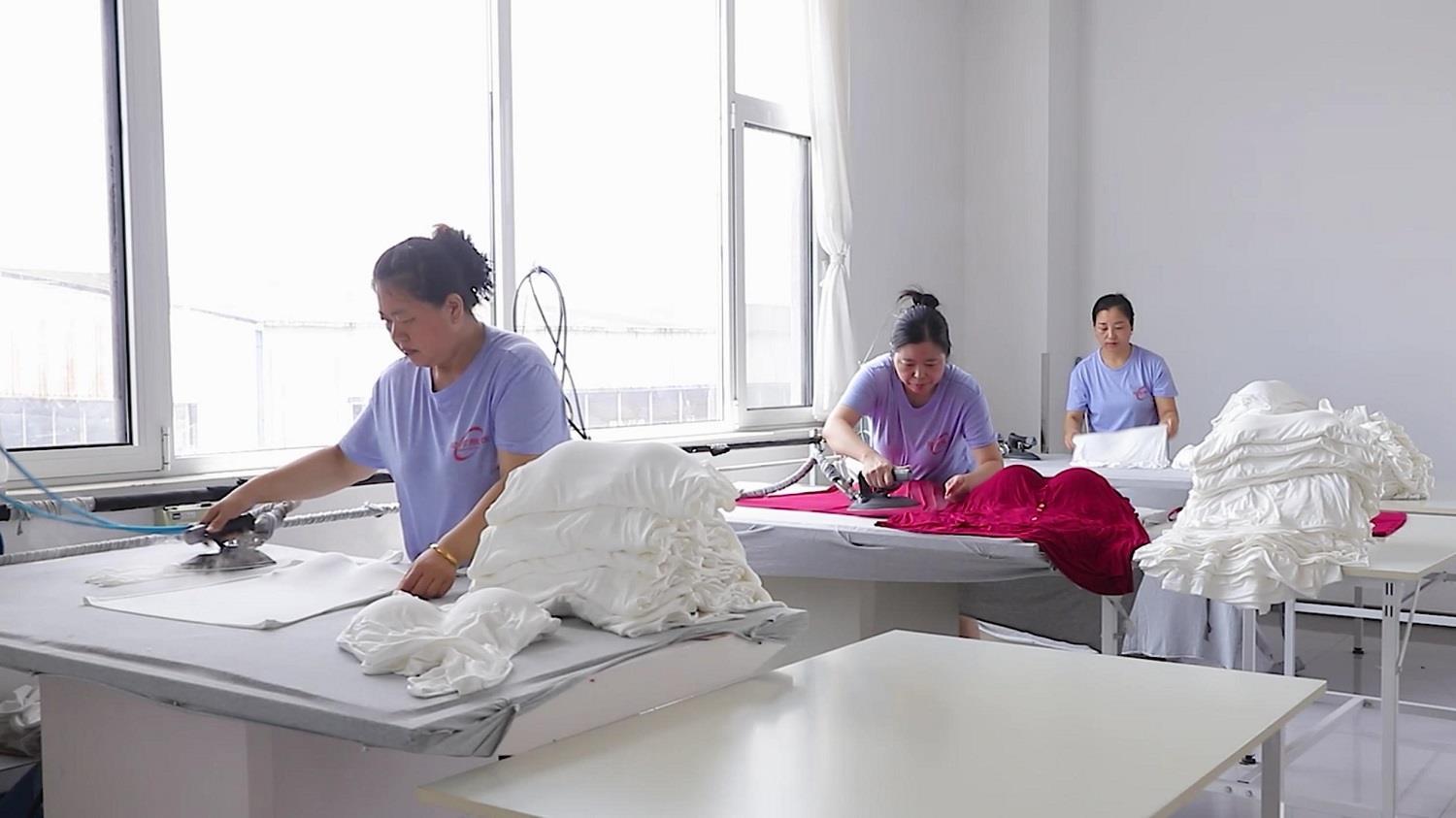
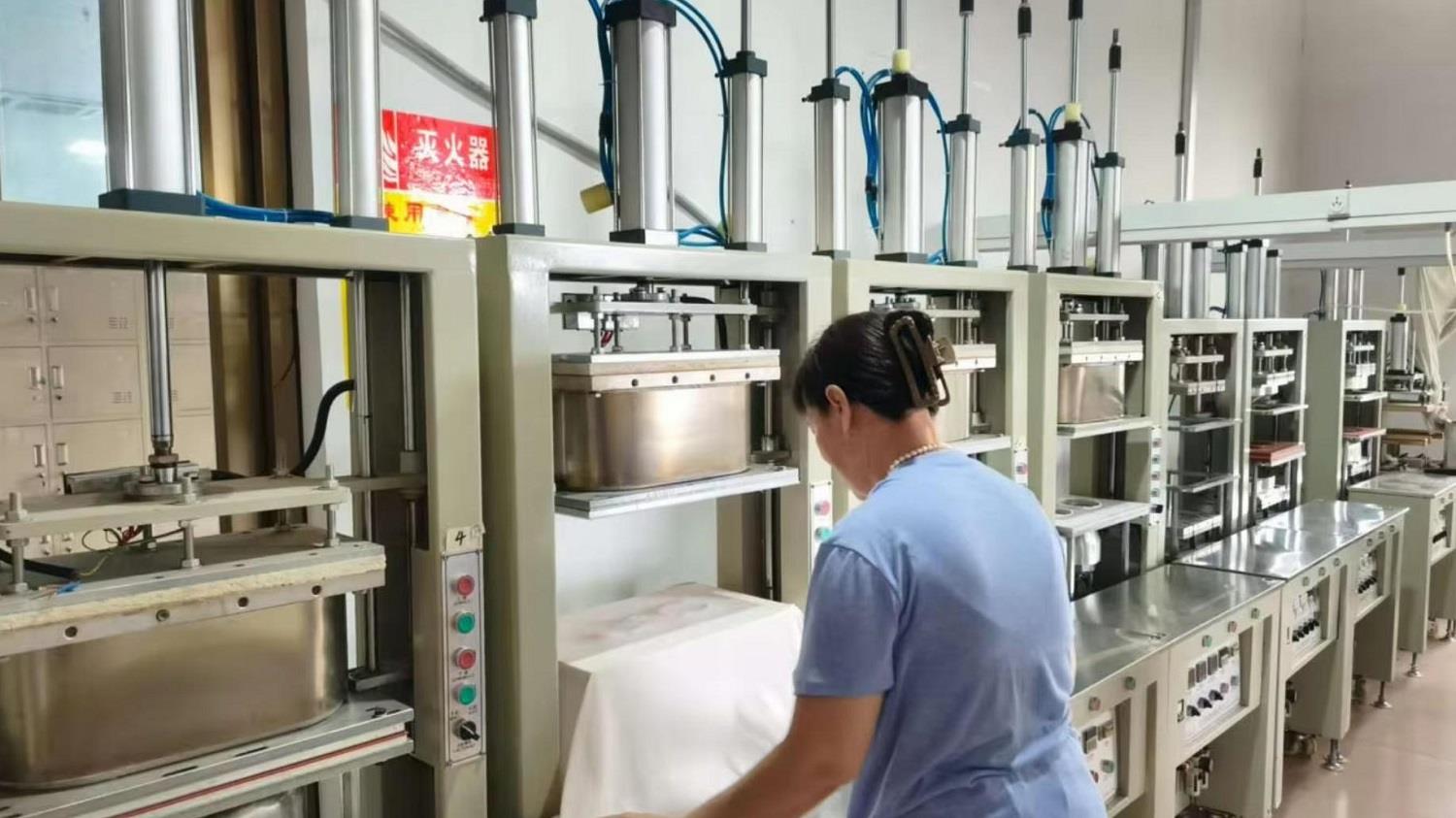
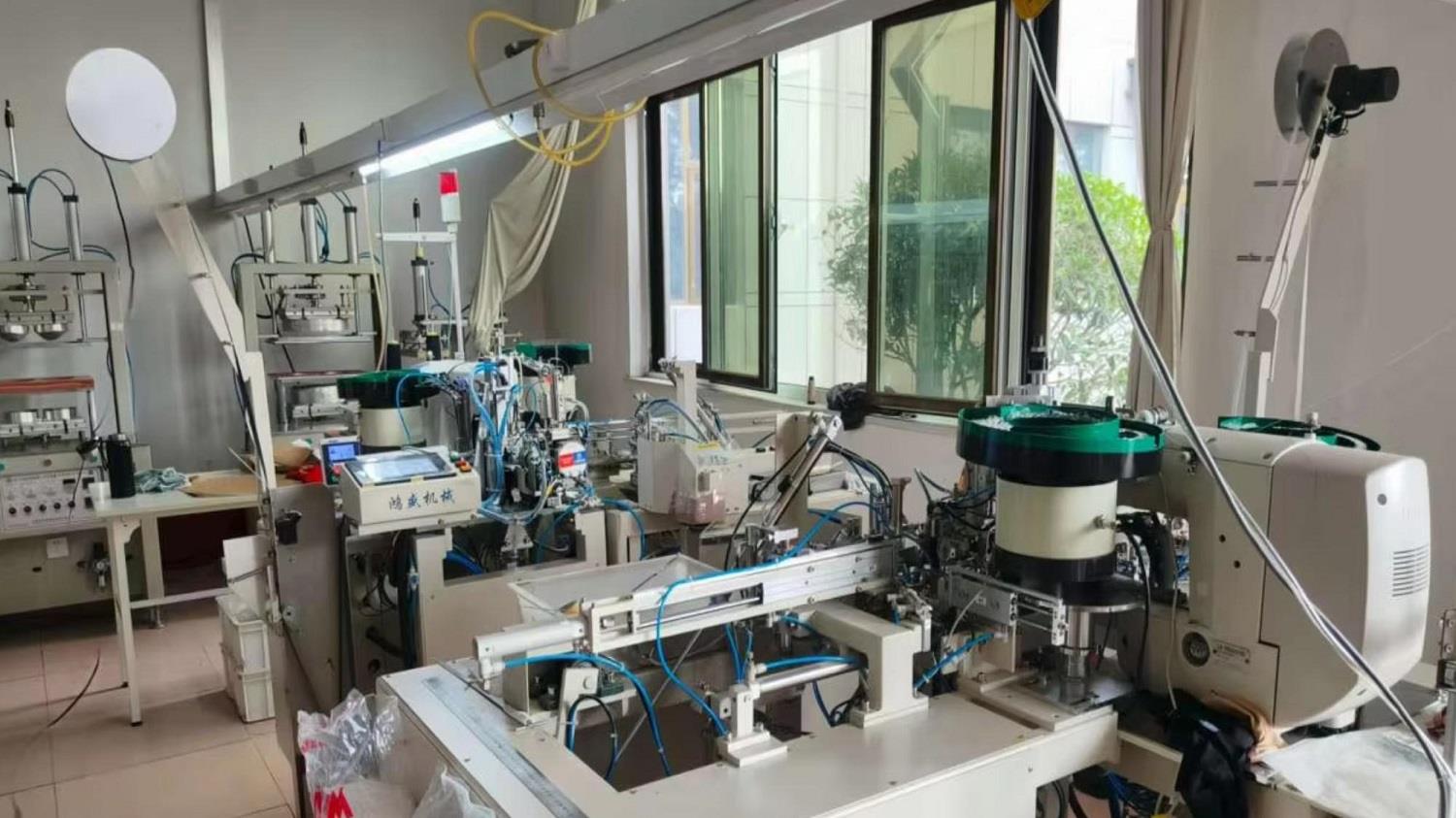
Orap operates a highly automated factory floor. Equipped with computerized cutting tables, fabric spreading machinery, high-speed lockstitch sewing setups, and specific shaping systems, we guarantee high precision and consistency across every seam.
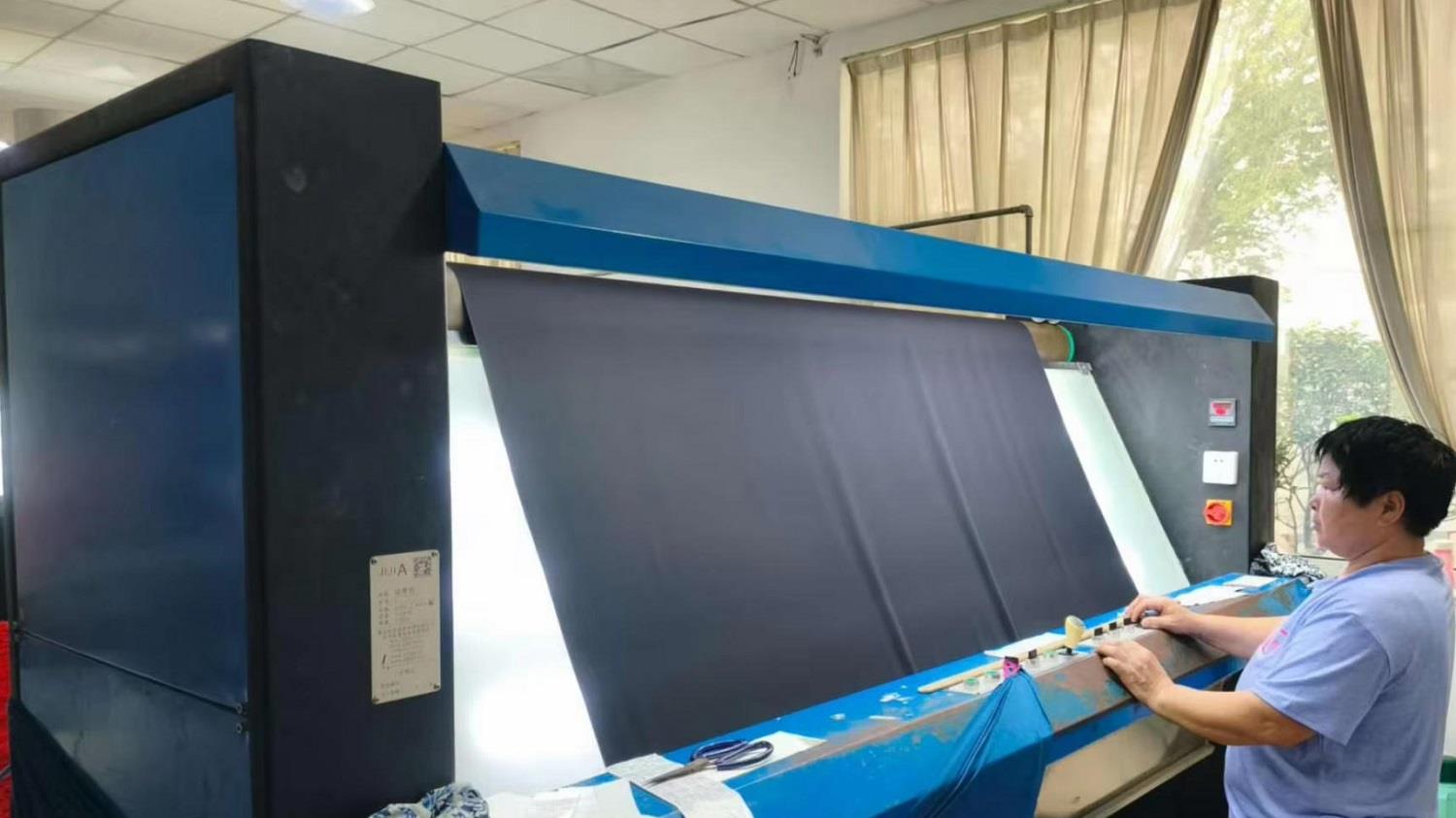
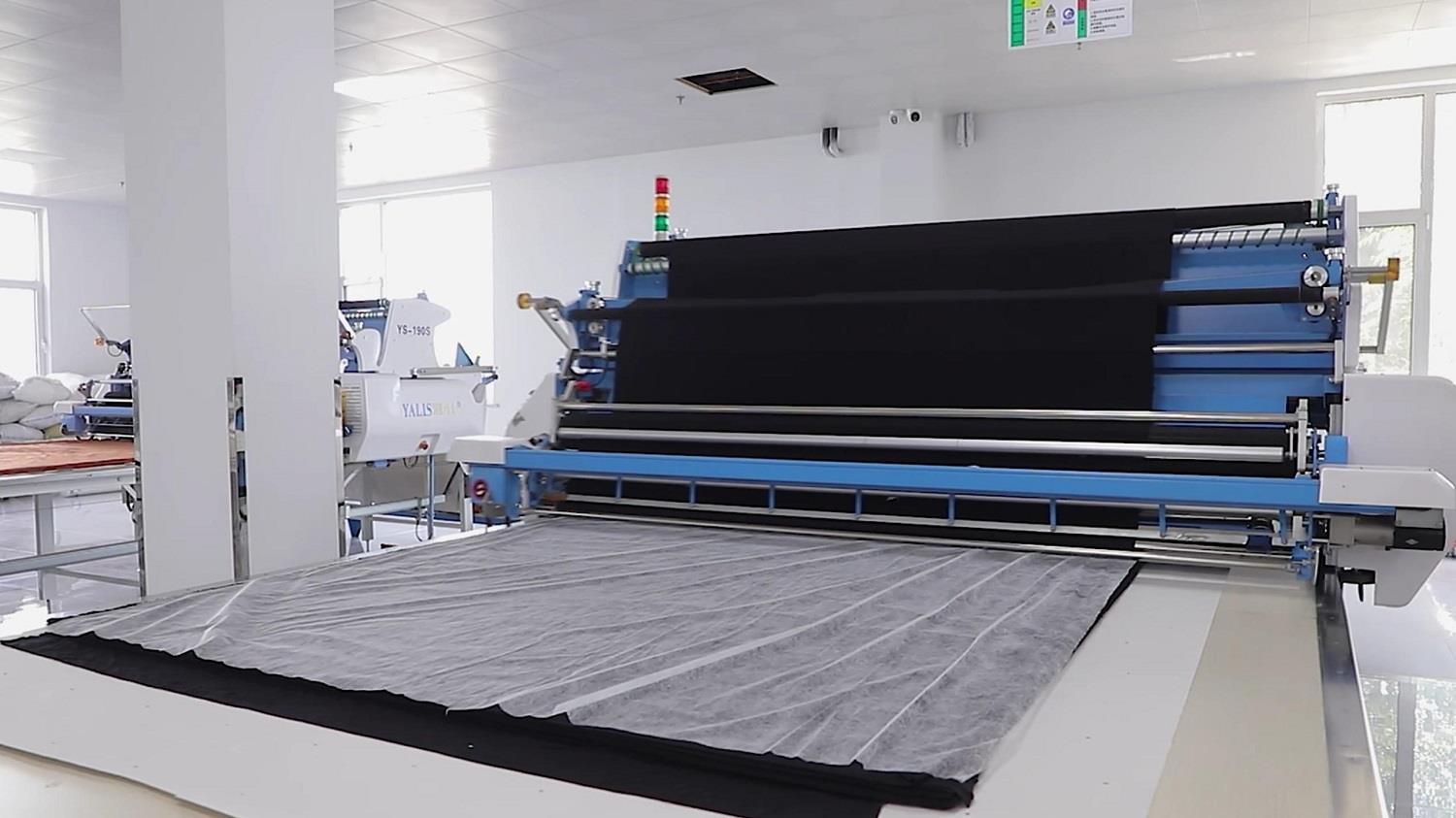
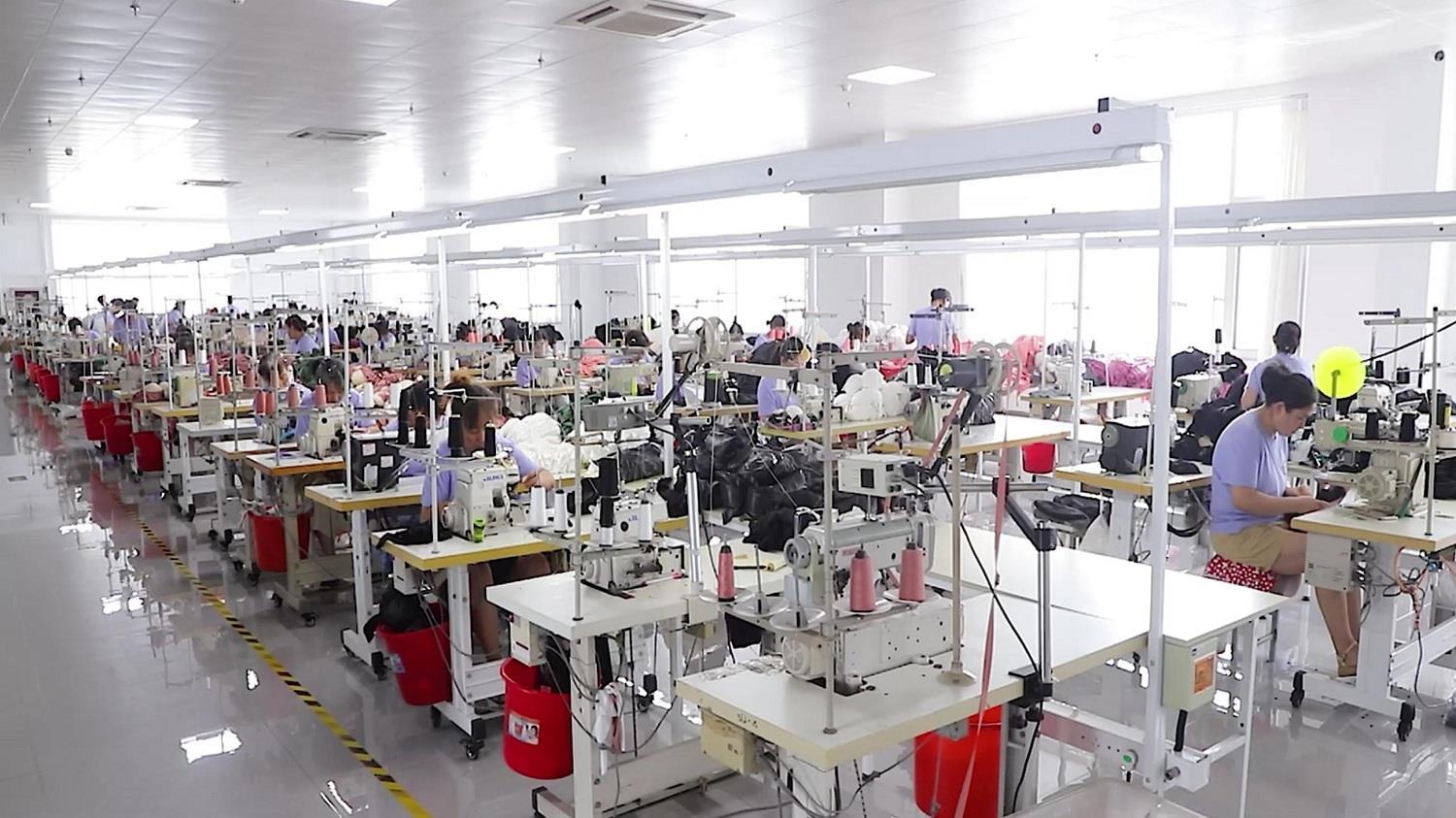
Modern garment markets demand flexibility. A cotton or linen dress must be versatile enough to transition across various consumer touchpoints. High-performance design allows for localization matching different global markets.
Cotton-linen blends and formal shirt-dresses designed with neat structures and breathable profiles are increasingly favored in North American and European corporate environments post-pandemic, replacing rigid office suits.
Sustainable fashion platforms mandate organic labels. Brands utilize loose, unbleached, or natural-dyed cotton/linen materials to cater to eco-consumers seeking chemical-free apparel with natural profiles.
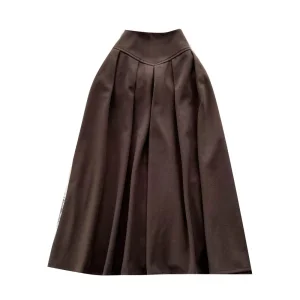
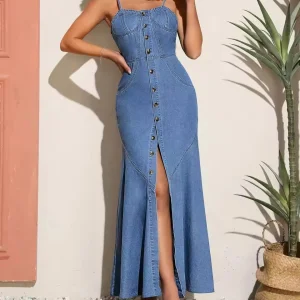
Youth cultures in Korea and Japan gravitate towards structured retro styles, pleated A-line cotton dresses, denim overalls, and functional details combined with comfortable, casual-fit patterns.
Looking ahead, textile industries are evolving. Leading exporters are implementing 3D virtual fitting and prototyping to eliminate textile waste during development. Furthermore, the integration of intelligent RFID inventory systems and computerized cutting machines allows factories like Orap Clothing to handle micro-customizations and fast re-orders smoothly, matching client schedules.
Sourcing quality apparel at scale requires robust operations. Industry leaders emphasize several critical factors when selecting their direct export manufacturing partners:
Get answers to common queries regarding supply chain parameters, material certifications, testing requirements, and importing logistics.
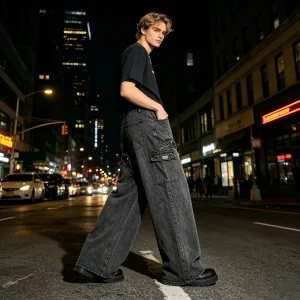
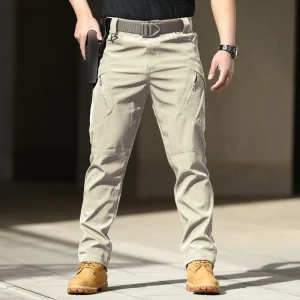
Explore more products from our production lines, including premium denim, streetwear cargo pants, and structured casual knitwear.
 Orap Clothing