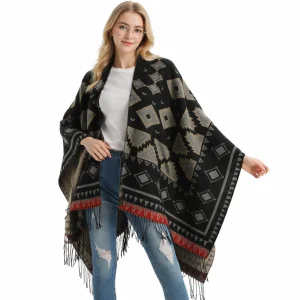
Engineered for Melbourne's notoriously fickle meteorological patterns—providing robust, stylish, and high-performance weather protection.

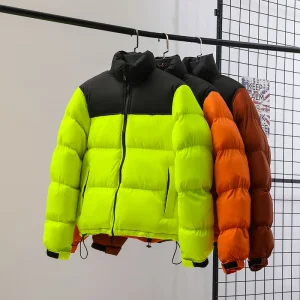
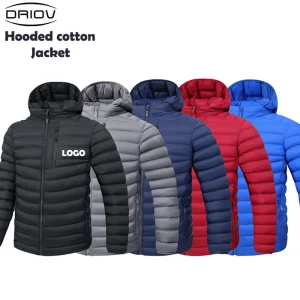
Melbourne, Victoria is characterized by its dynamic, maritime-influenced weather patterns, famously referred to as "four seasons in one day." Unlike typical northern hemisphere winter markets that sustain prolonged sub-zero temperatures, the Melbourne metropolitan area demands highly versatile, transitional outerwear. The winter climate features cool winds blowing from the Southern Ocean, persistent light drizzle, and indoor-to-outdoor temperature fluctuations that range from 4°C to 15°C within a typical workday.
For fashion brands, boutique labels, and corporate enterprises operating in the Victorian market, supplying winter wear requires a delicate balance of aesthetic sophistication and functional resilience. The local commercial demographic highly prioritizes breathable insulation, windproofing, and modern aesthetics. Heavy, bulky down coats designed for arctic climates are often commercial failures in Melbourne; instead, the market demands high-performance puffers, sleek wool trenches, and multi-functional softshell jackets that easily transition from the Melbourne CBD lanes to weekend retreats in the Yarra Valley or Mount Buller alpine zones.
The global winter wear manufacturing market is undergoing significant restructuring. Traditional production centers face escalating raw material costs, supply chain bottlenecks, and heightening pressures regarding ecological compliance. Global brands are increasingly prioritizing suppliers that offer transparent sourcing of raw materials, such as down feather alternatives (like Sorona® or synthetic recycled polyesters) and cruelty-free premium faux furs.
Furthermore, lead-time volatility has forced buyers in the Southern Hemisphere to seek highly efficient manufacturing partners. Because the Australian seasonal timeline is directly inverted compared to the North American and European markets, procurement directors must partner with factories that can seamlessly handle off-cycle bulk manufacturing. By executing production runs when Northern Hemisphere factories are historically in their shoulder seasons, Melbourne buyers can secure highly competitive pricing structures and dedicated quality-control attention.
Direct access to China's primary textile clusters, minimizing material lead-times and ensuring unmatched supply chain control.
Rigorous multi-stage quality assurance including fabric tension, color fastness, and hydrostatic head water tests.
Material selections precisely calibrated for Victorian moisture levels, thermal retention, and urban wind tunnels.
As global apparel markets demand compressed design-to-delivery cycles, the efficiency advantages of specialized Chinese factories remain undisputed. Based in Zhejiang Province—the global epicenter for textile innovation and garment fabrication—Zhejiang Orap Clothing Co., Ltd. stands as a premier supplier offering comprehensive OEM and ODM solutions for global outerwear buyers.
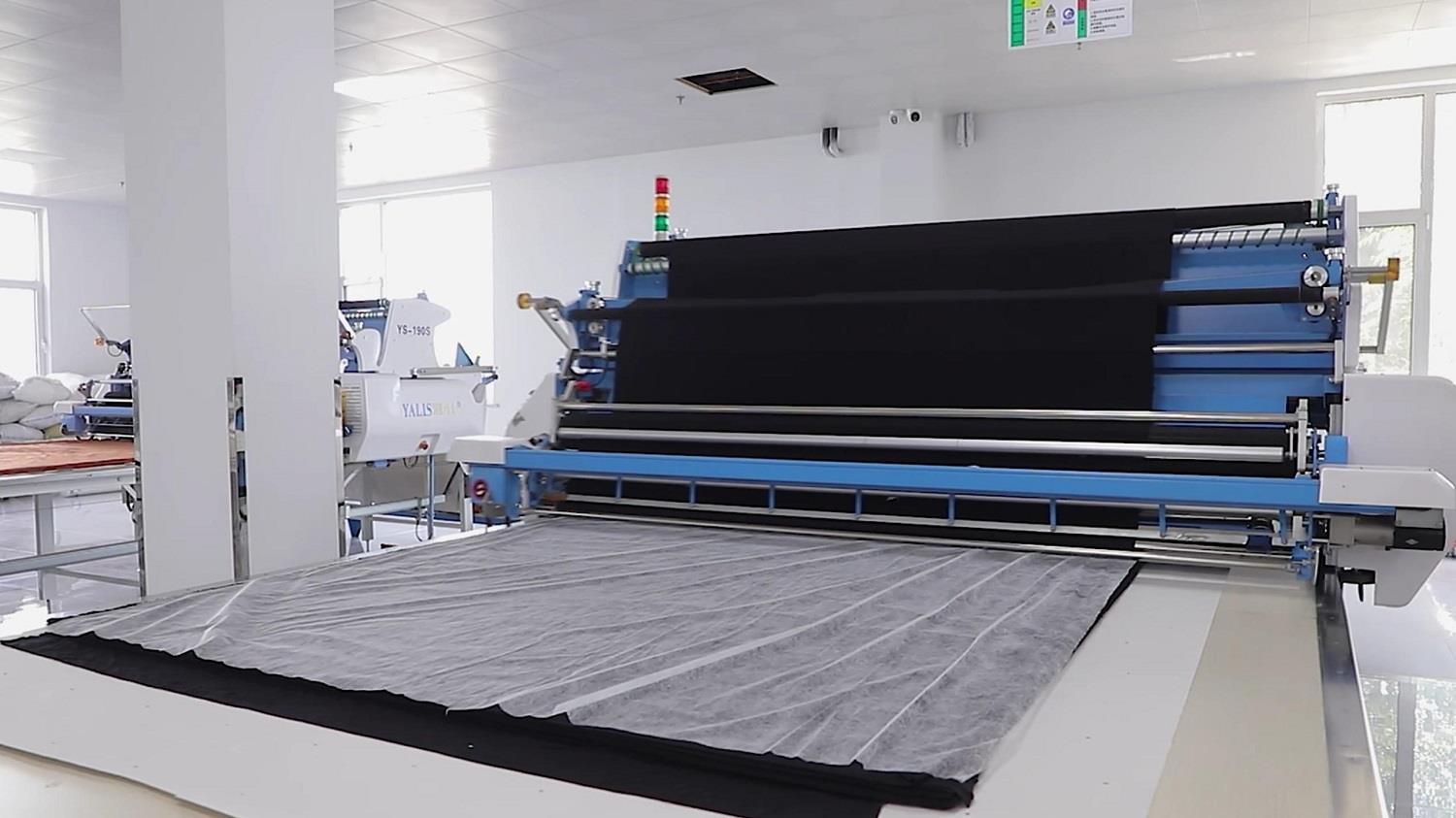
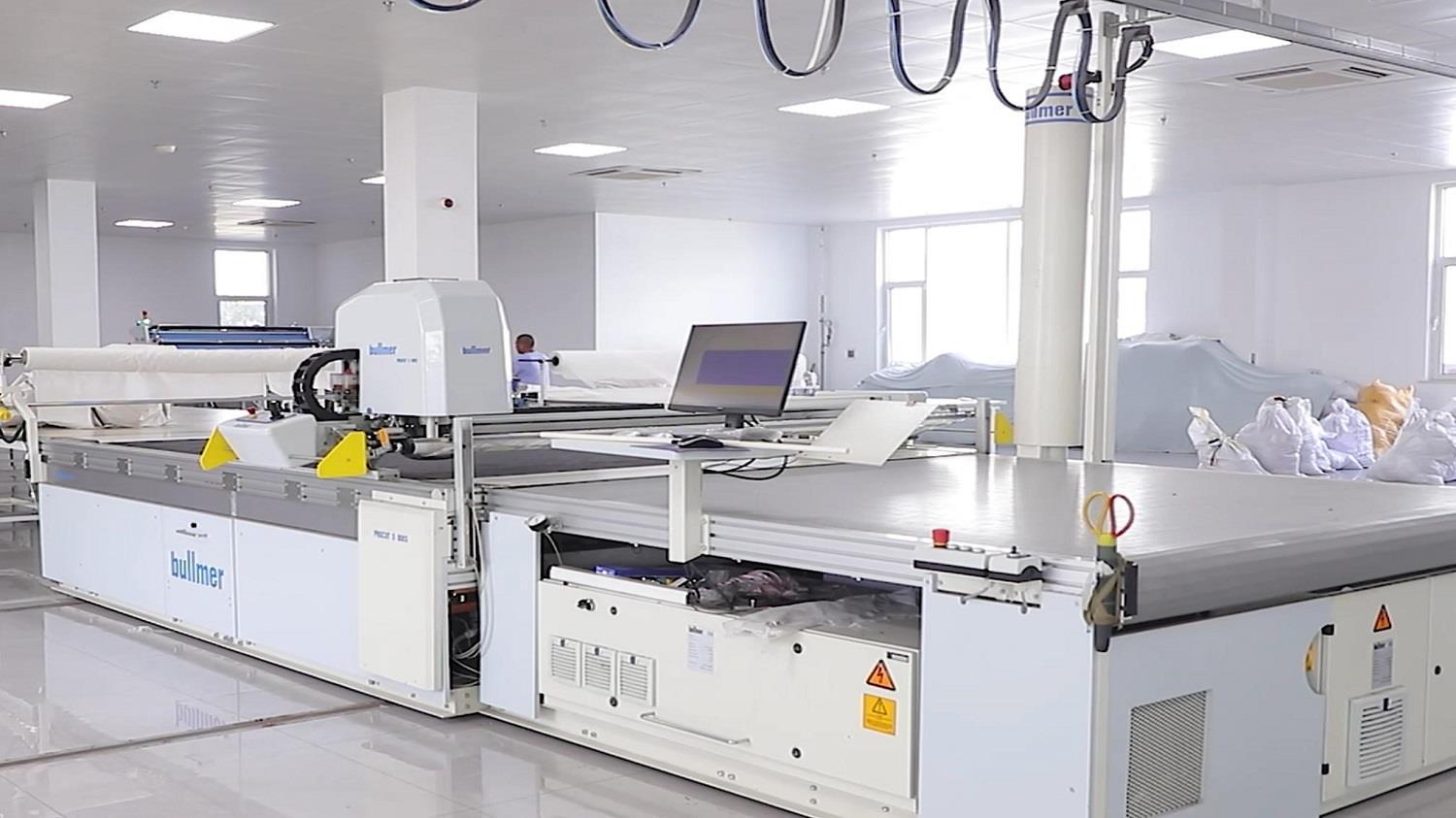
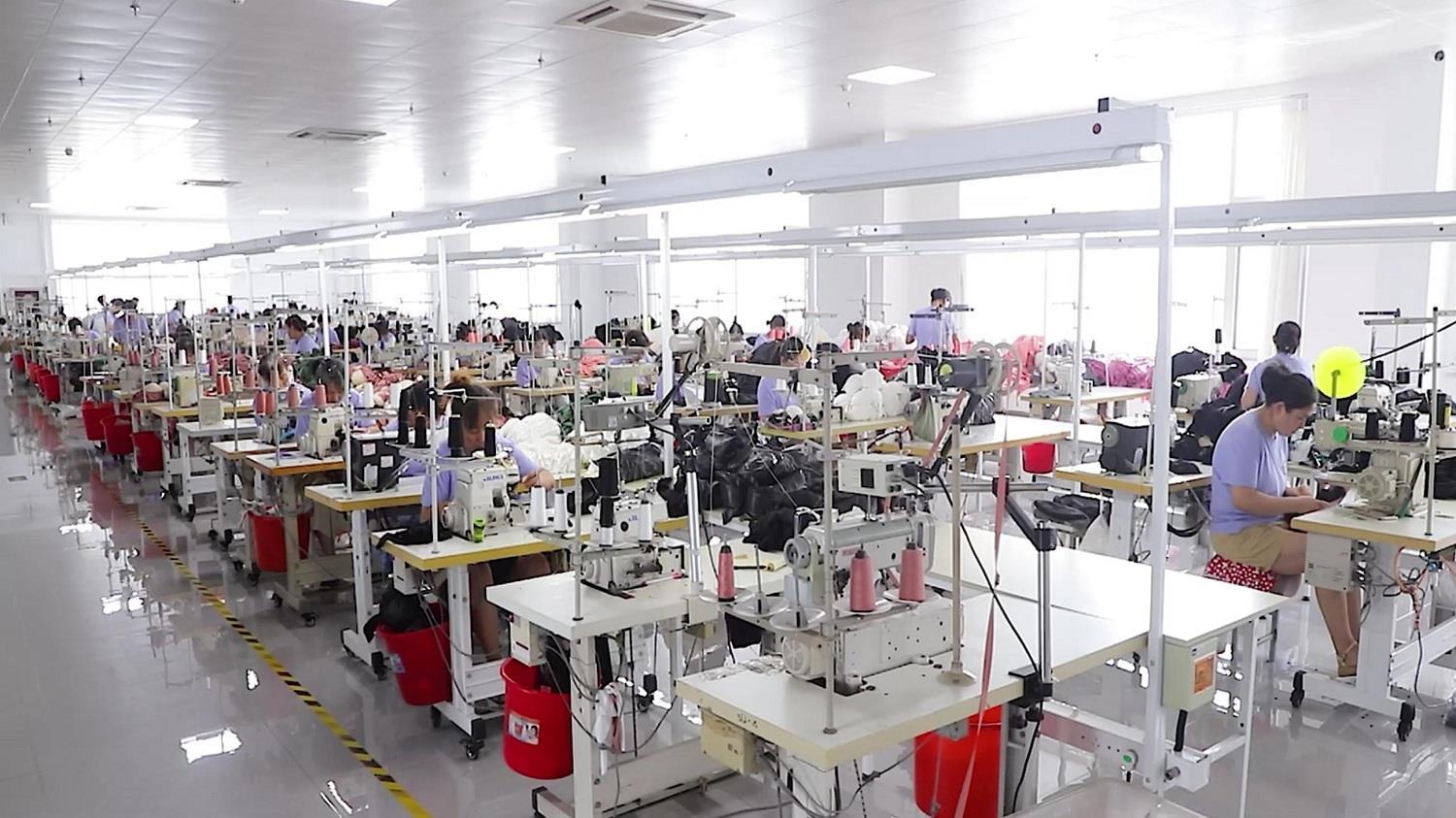
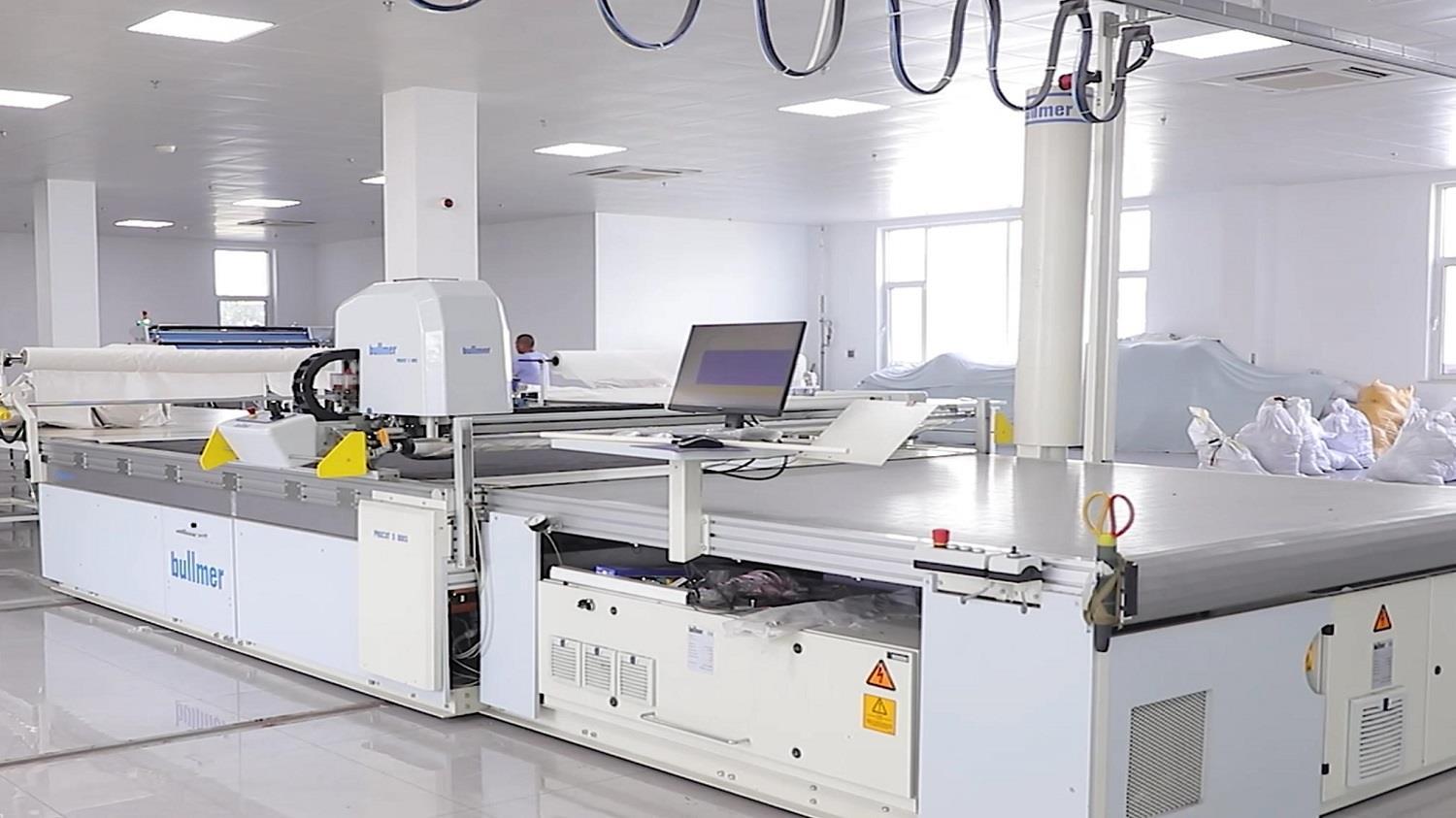
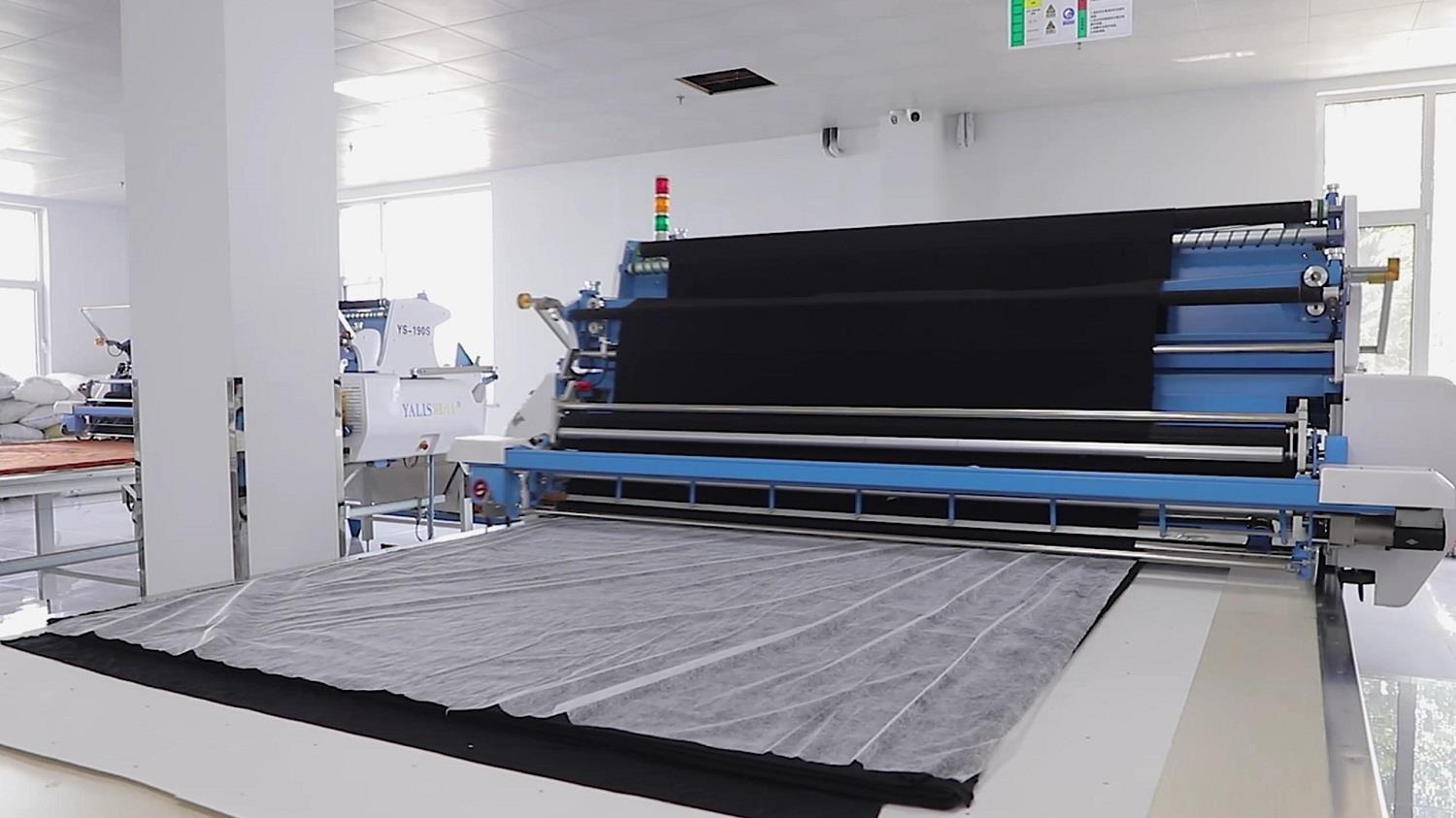
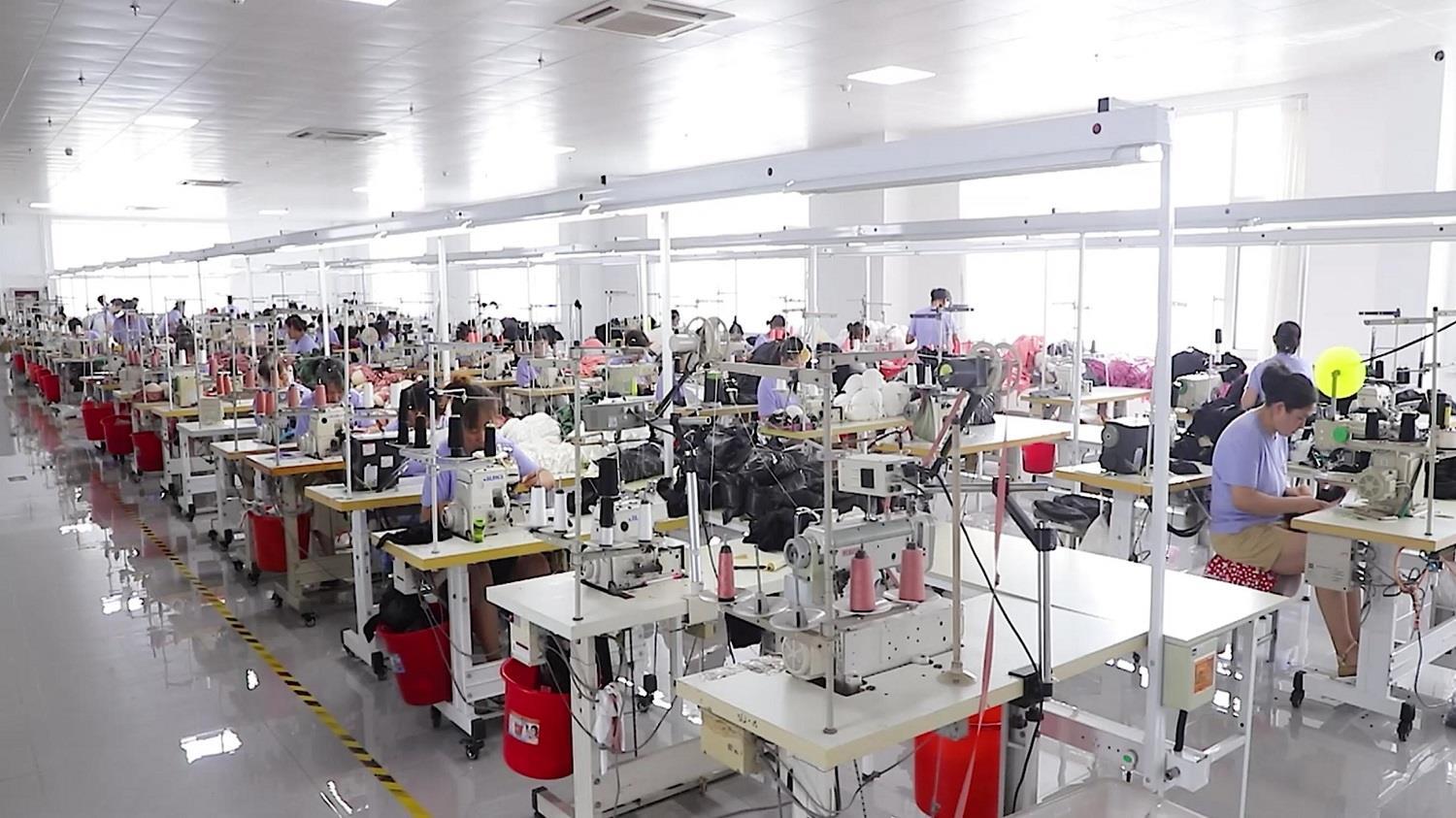
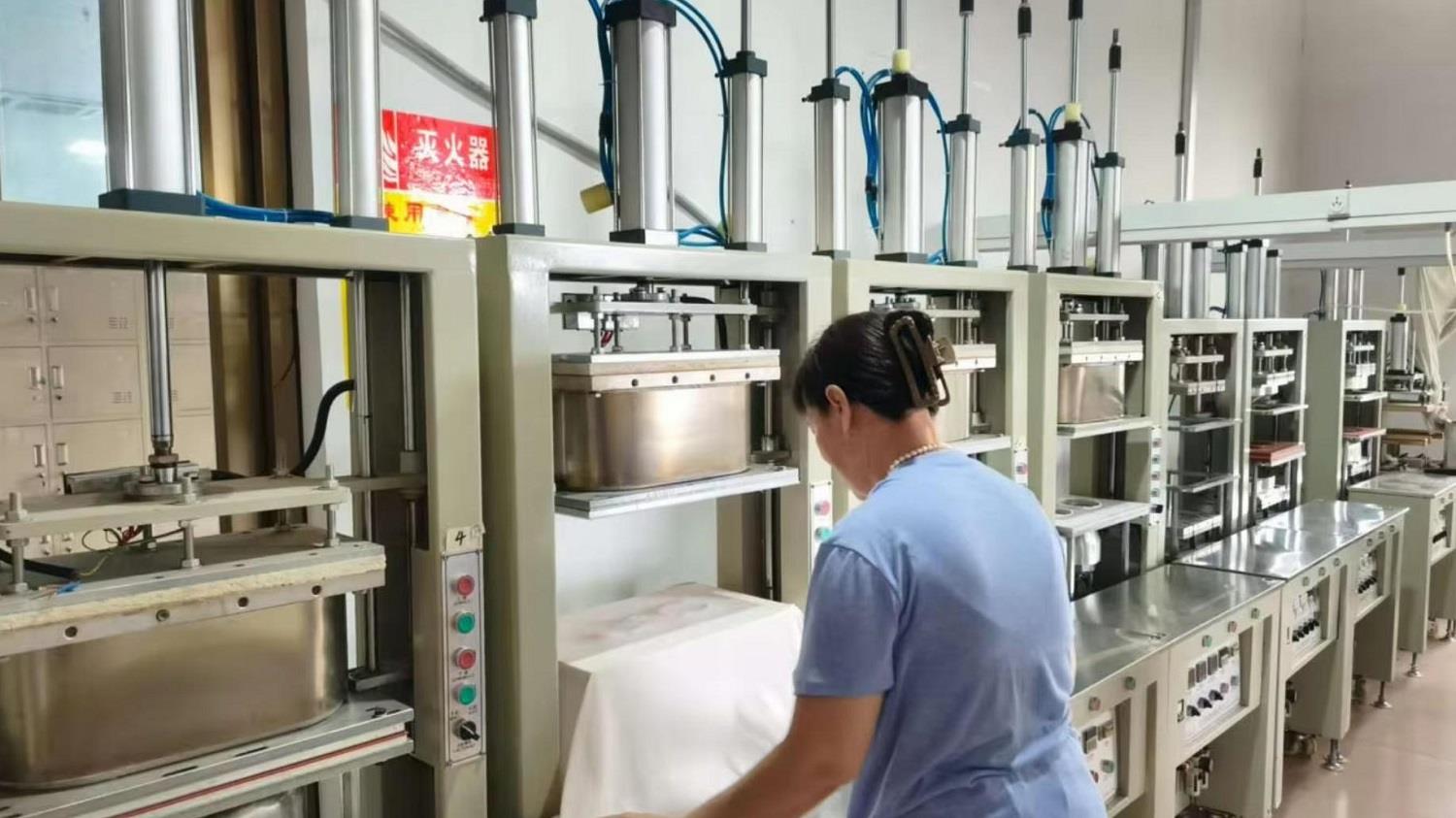
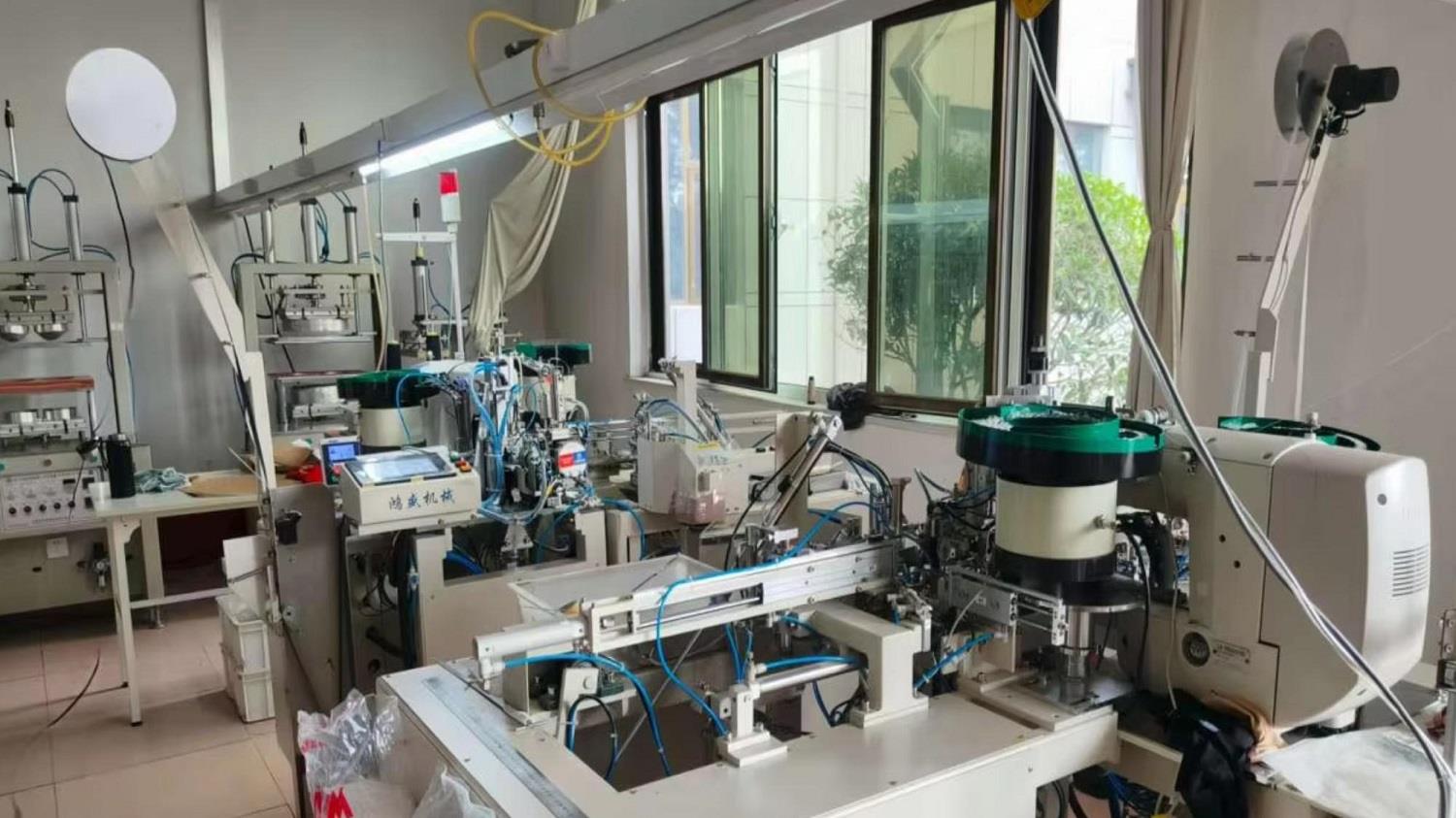
Our facilities bypass traditional manufacturing bottlenecks through horizontal integration. By utilizing high-capacity automatic cutting systems, advanced fabric spreading machinery, and computerized double-needle stitchers, Orap guarantees high-precision execution on every panel. Our production line is optimized to pivot rapidly between highly complex insulated shells, precise tailored trench coats, and luxury faux fur products.
Choosing the correct garment specification defines your retail positioning and return rate. When importing into Australia, brands must account for specific performance benchmarks. Below are the structural parameters for high-performance coats developed for the Southern Australian market:
| Garment Type | Optimal Outer Shell Fabric | Thermal Fill (Insulation) | Target Weather Metrics (Melbourne Spec) |
|---|---|---|---|
| Premium Puffer Coats | Durable Water Repellent (DWR) 75D Nylon Ripstop | 600-800 Fill Power Duck Down or Sorona® Bio-down | Windproof; 8,000mm Waterproof Rating |
| Urban Trench & Wool Coats | 60-80% Virgin Merino Wool Blend (380-450 GSM) | Polyester Satin Lining with Thermal Interlining | Optimal Breathability; Cold Winds (5°C to 15°C) |
| Hybrid Technical Jackets | 3-Layer Bonded Softshell (TPU Membrane) | Micro-polar Fleece Backing | 10,000mm Waterproof / 5,000g/m² Breathability |
| Luxury Parkas & Faux Fur | Modacrylic Faux Silver Fox / Premium Muskrat Faux Fur | High-Loft Quilted Insulated Lining | Sub-optimal Rain (drizzle protection); Extreme Thermal Retention |
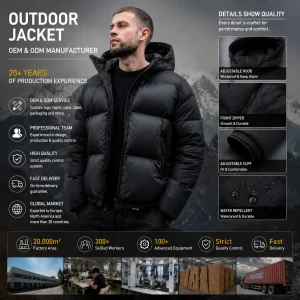
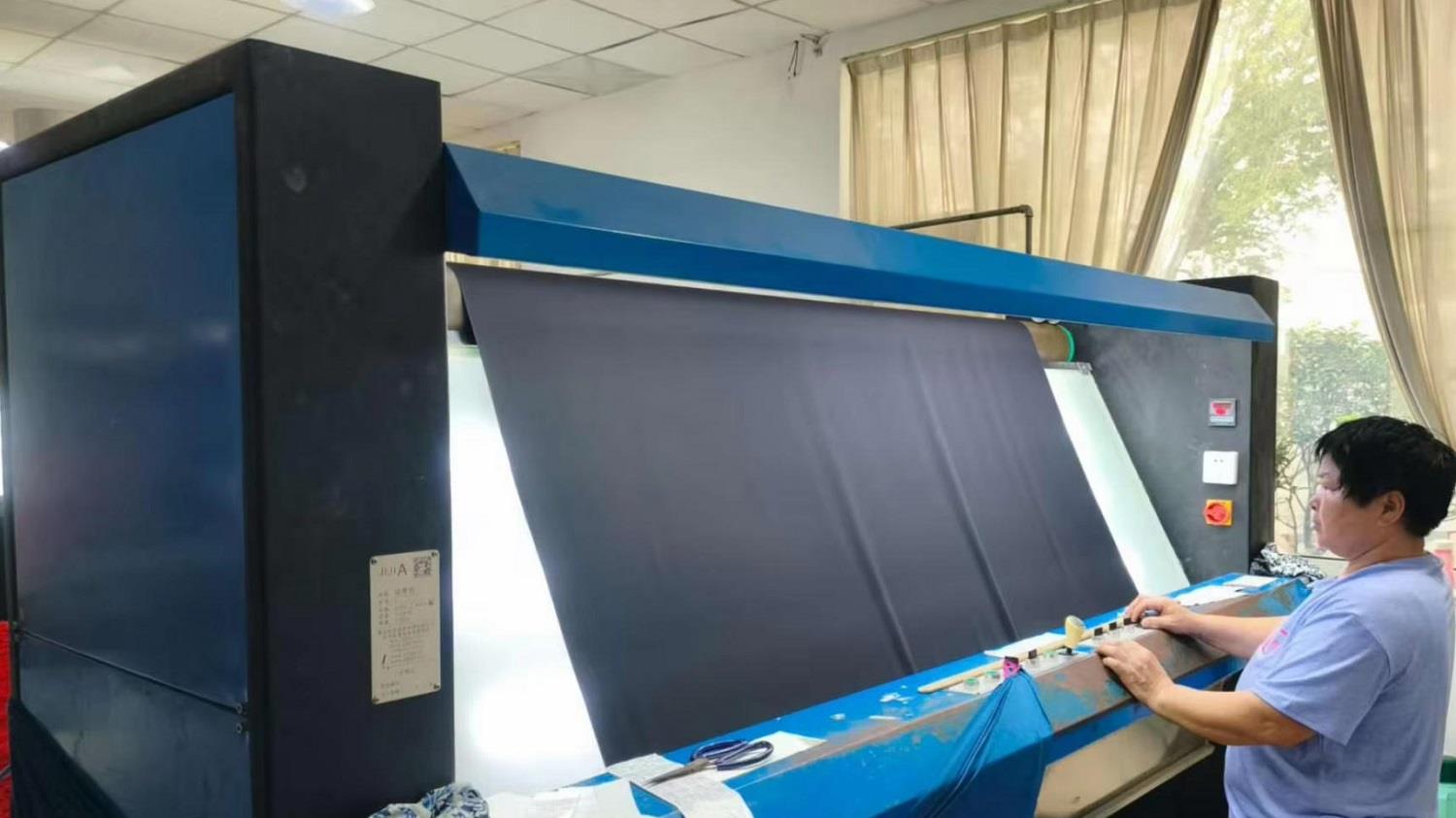
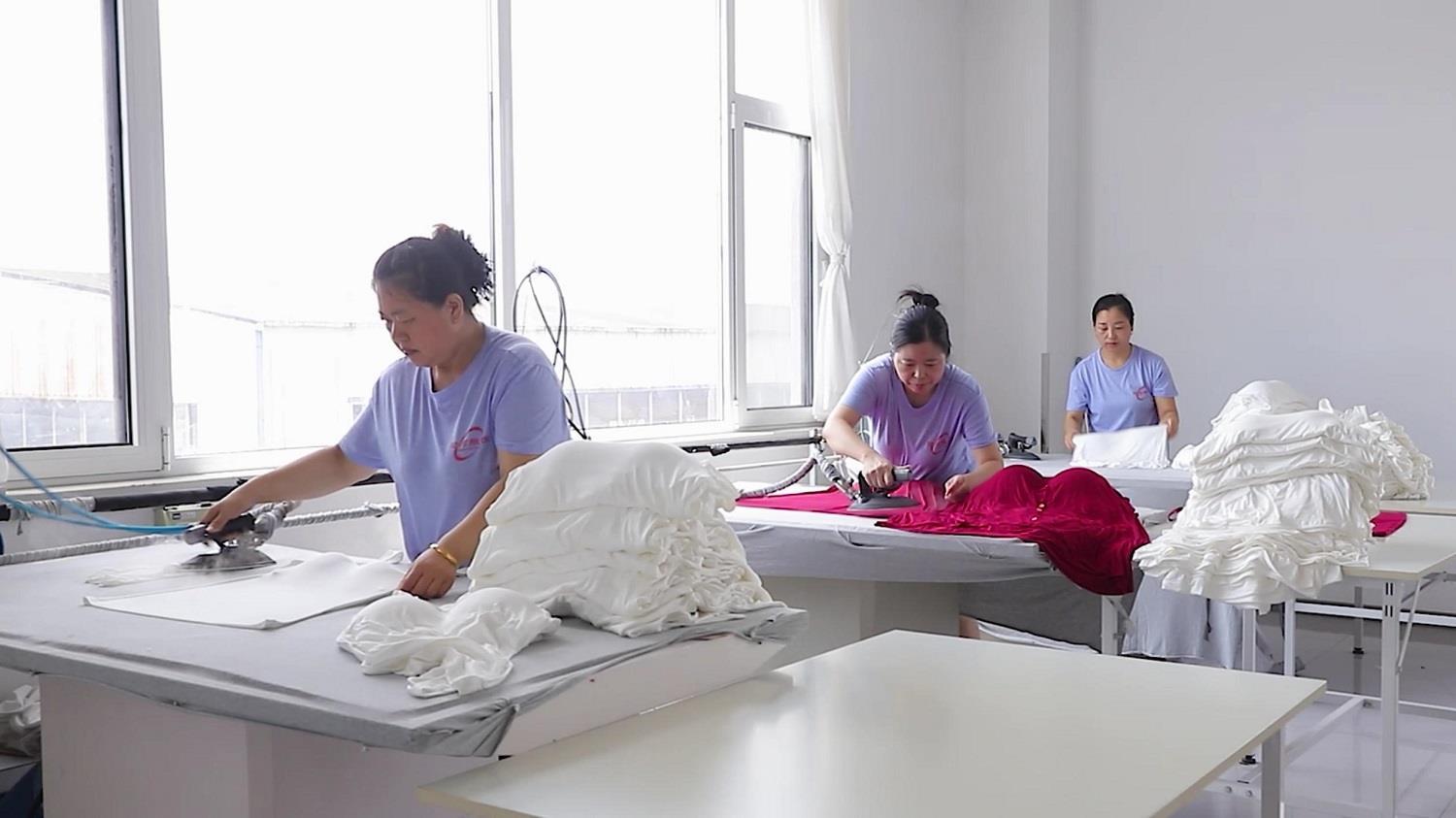
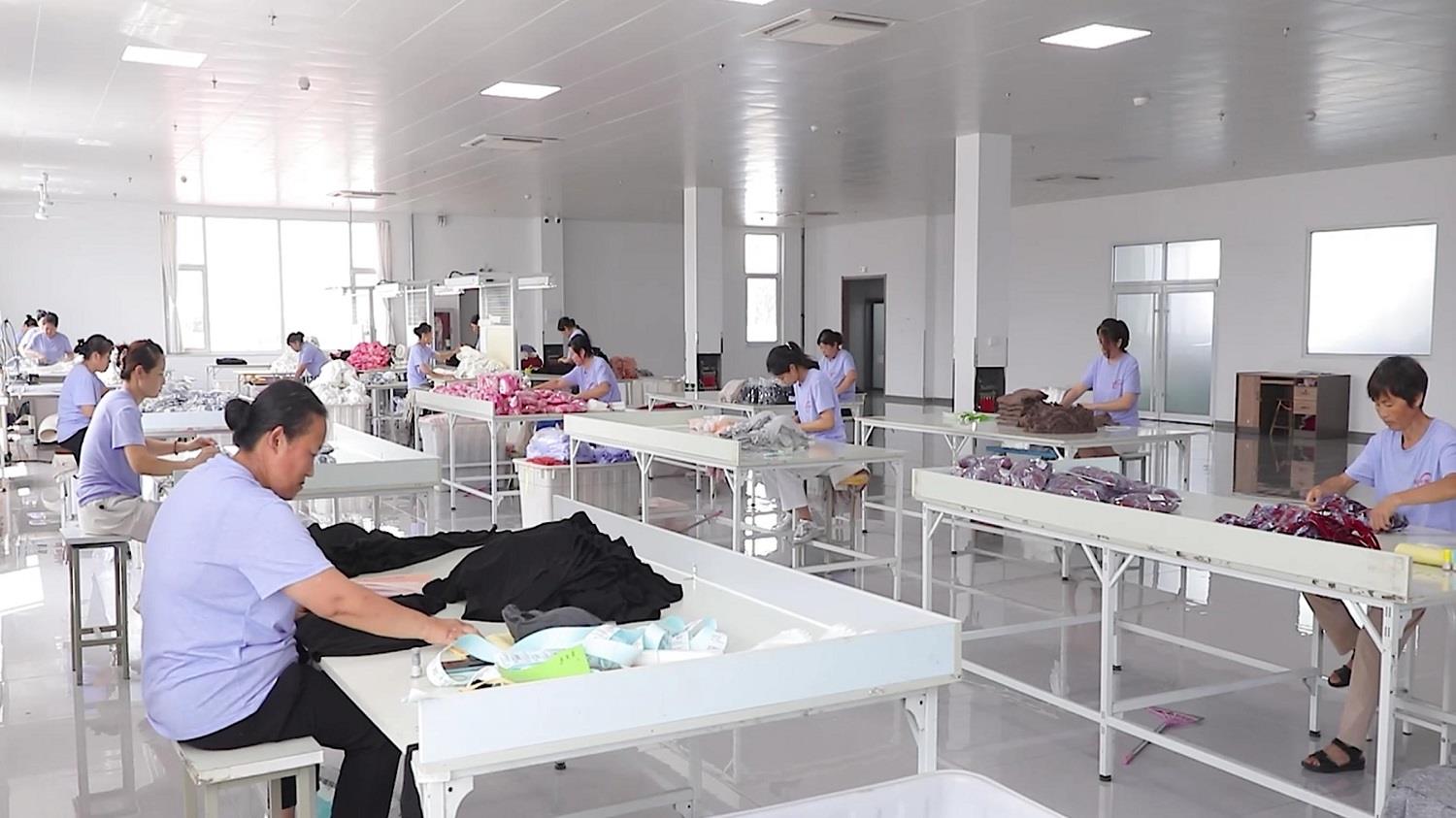
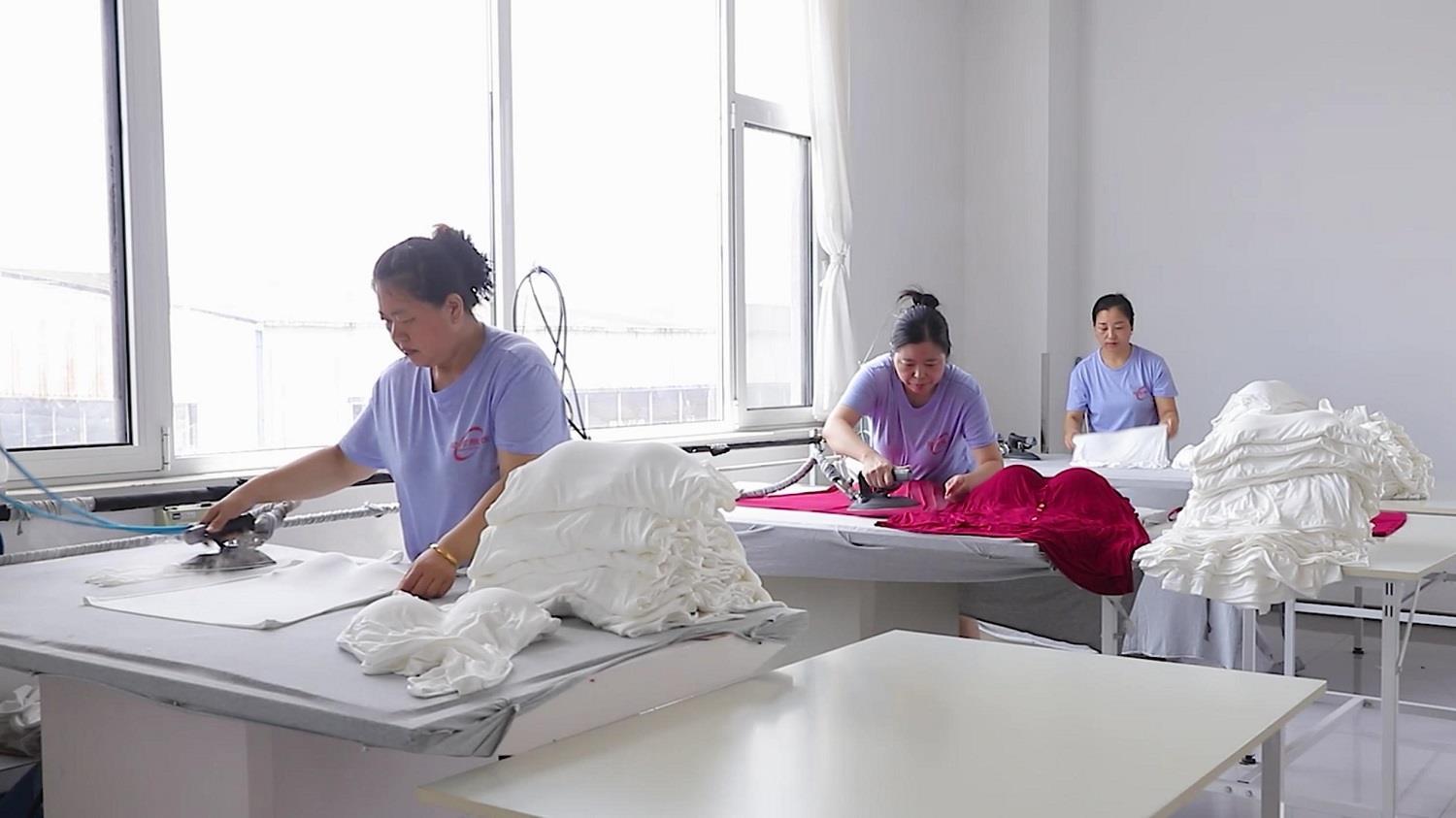
Every step of our process—from inspection to shipment—is fully managed under strict quality controls.
Operating a fashion brand or retail chain in Victoria requires clear alignment with logistics partners and factory lead times. Sourcing winter collections out of China for a Southern Hemisphere launch demands critical scheduling. Below is the operational checklist recommended by our project management office:
Initiate pattern creation and tech pack finalization at least 6 months prior to your target launch date. Our pattern development room converts high-resolution digital flats into physical muslin or sample fabrics within 7-10 working days. Zhejiang Orap’s location ensures direct access to the latest fabric formulations before they hit the open market.
For custom dyed jackets, dye lots (Lab Dips) must be approved early. Custom components like custom zipper pulls, branded snap buttons, and specific down feathers require intensive sourcing. Committing to materials during this period guarantees that winter coat production bypasses the Chinese New Year peak holiday closures without causing downstream shipping delays.
Once raw materials are staged, bulk sewing and final assembly begin. We operate under strict international factory standards including AQL 2.5 checkpoints. Fabric inspections, in-line sewing checks, filling weight consistency measurements (especially for puffer coats), and post-ironing dimensional checks are executed. Final items are compressed and securely packed for moisture-proof container transport.
The sea transit duration from China ports to the Port of Melbourne typically ranges from 18 to 25 days. Shipping in April ensures arrival in Melbourne warehouse distribution centers by early May—exactly matching the onset of the Victorian winter demand curve. By managing this timeline, local labels minimize inventory holding costs and maximize sell-through cycles at full margin.
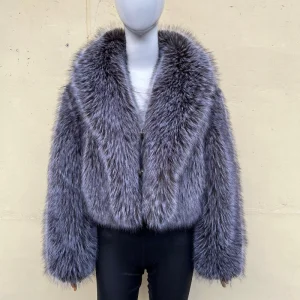
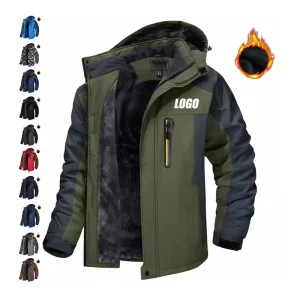
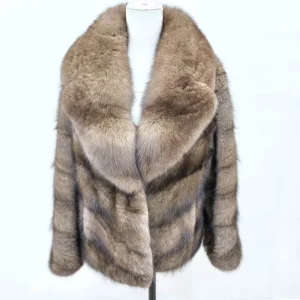
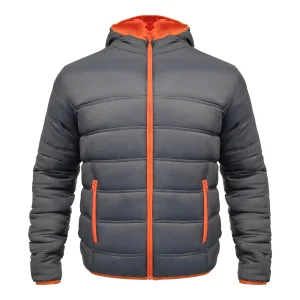
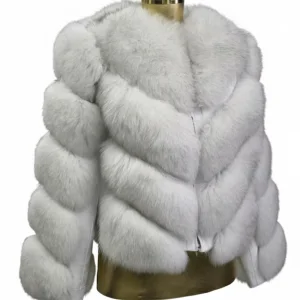
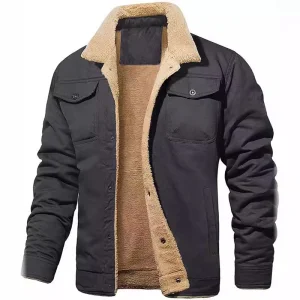
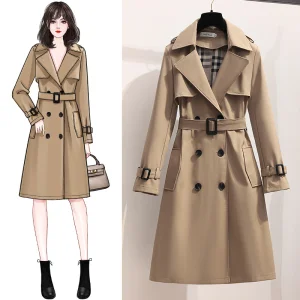
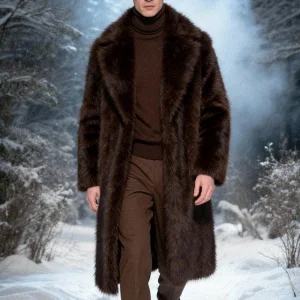
Explore our diverse collection of specialized coats, ranging from luxury faux furs to rugged cargo work jackets.
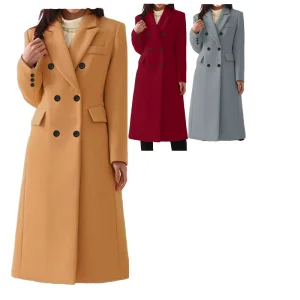
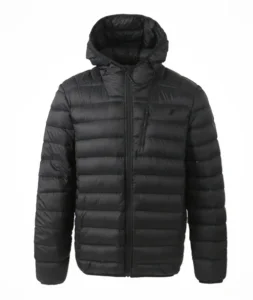
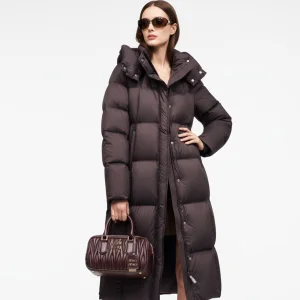
Clear answers on lead times, customization, sustainability, and logistics options for Melbourne apparel buyers.
 Orap Clothing