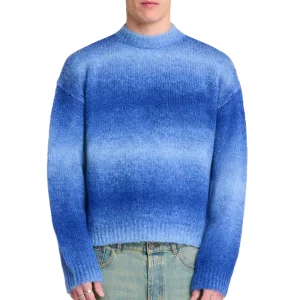
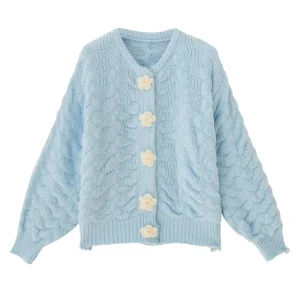
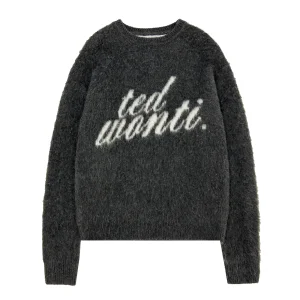
Explore our flagship custom knitted sweaters designed with state-of-the-art flat-bed knitting machinery for unmatched texture and structural integrity.
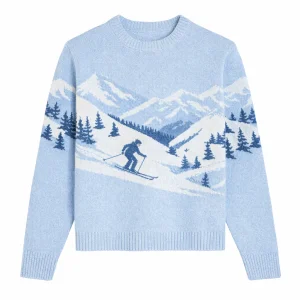
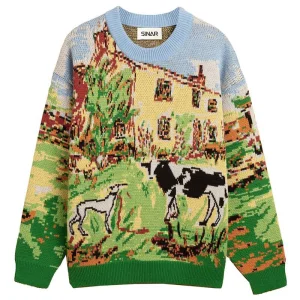
Over the last decade, Ho Chi Minh City (HCMC), along with adjacent industrial clusters like Binh Duong and Dong Nai, has cemented its status as a critical manufacturing hub for global textile and apparel production. Driven by competitive labor costs, favorable trade agreements such as the EVFTA (EU-Vietnam Free Trade Agreement) and CPTPP, and a strategic location in the South of Vietnam, HCMC's industrial parks have attracted massive foreign direct investment (FDI).
Specifically within the knitwear sector, HCMC specializes heavily in cut-and-sew apparel. However, the localized production of flat-knit sweaters, which requires specialized machinery and highly specific yarn blends, remains highly dependent on import ecosystems. Many regional factories rely on importing high-grade combed cotton, mohair, and cashmere yarns from neighboring economic powerhouses like China to satisfy global fashion brands' quality guidelines.
For global sourcing directors, partnering with facilities linked directly to the Southern Vietnam apparel corridor provides exceptional tariff advantages. However, navigating the limitations in local raw material integration and high-gauge electronic flat knitting machinery remains a critical bottleneck for complex or time-sensitive projects.
How shifting consumer preferences toward sustainability, comfort, and technical fibers are forcing manufacturers to evolve.
Brands now demand complex yarn profiles, merging recycled synthetic filaments with natural premium fibers like cashmere, mohair, and organic cotton. Balancing temperature regulation with tactile softness is paramount.
The traditional structure of massive Minimum Order Quantities (MOQs) is giving way to dynamic agile supply chains. Brands seek high-capacity factories that support low initial test runs to minimize inventory risk.
Relying on a single manufacturing hub is risky. Brands utilize a "China Plus One" strategy, utilizing HCMC factories for basic cut-and-sew garment assemblies, and advanced Chinese factories for highly technical knit processes.
While Southeast Asia offers strong tariff optimization, China's Industry 4.0 garment clusters in provinces like Zhejiang set the global benchmark for processing speed, material access, and technological execution. Zhejiang Orap Clothing Co., Ltd. demonstrates the raw efficiency advantages of a fully integrated supply chain.
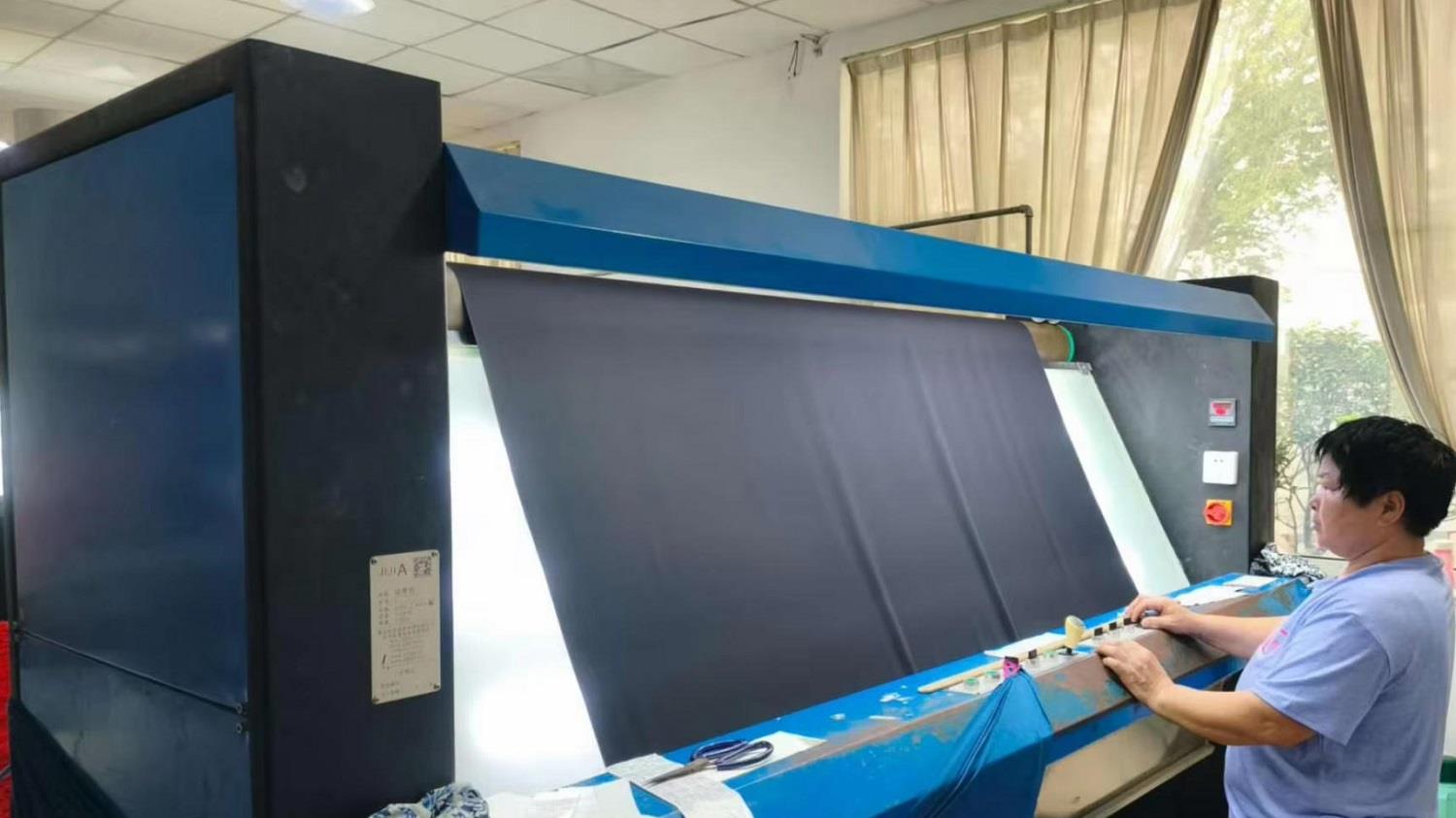
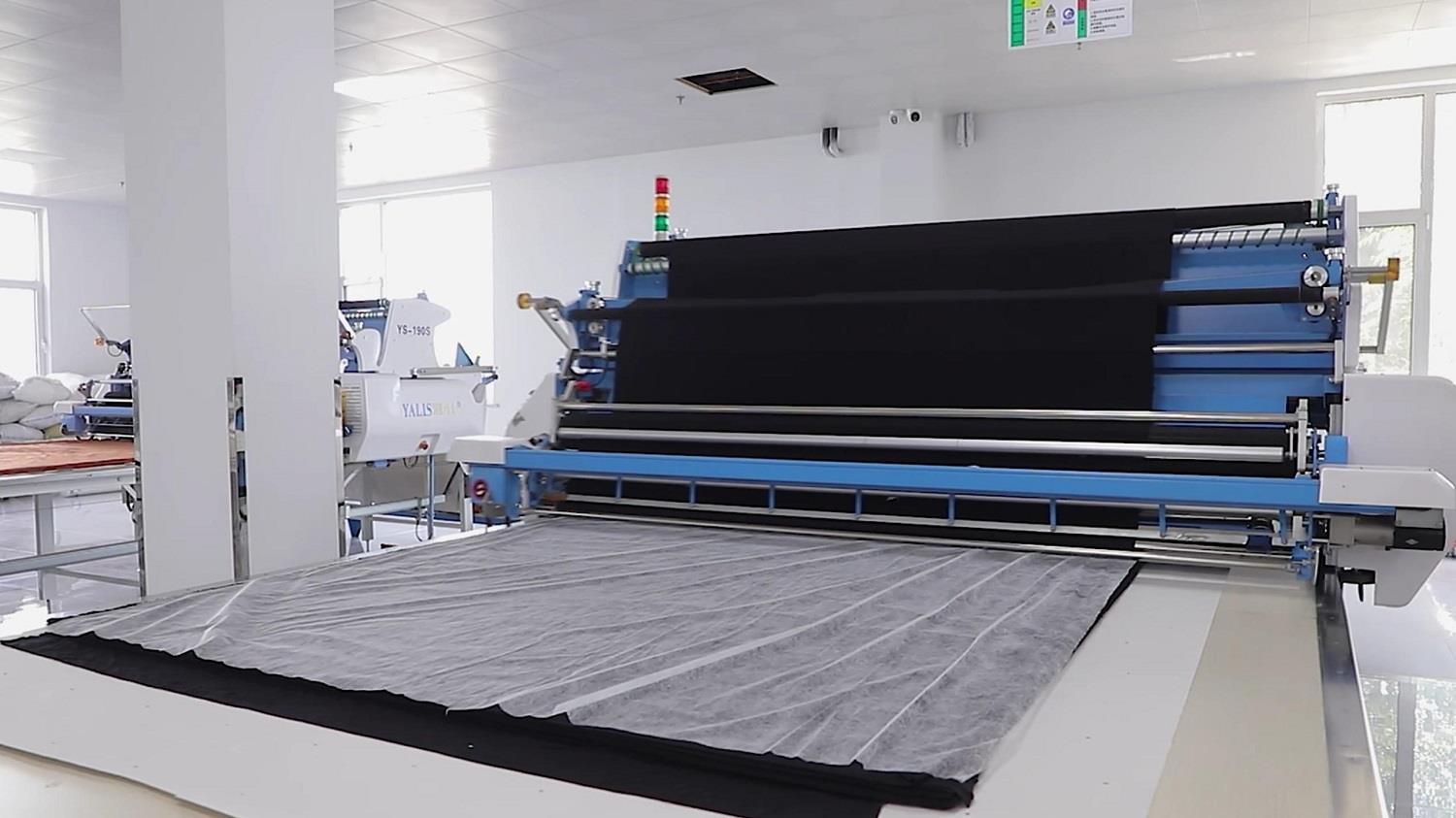
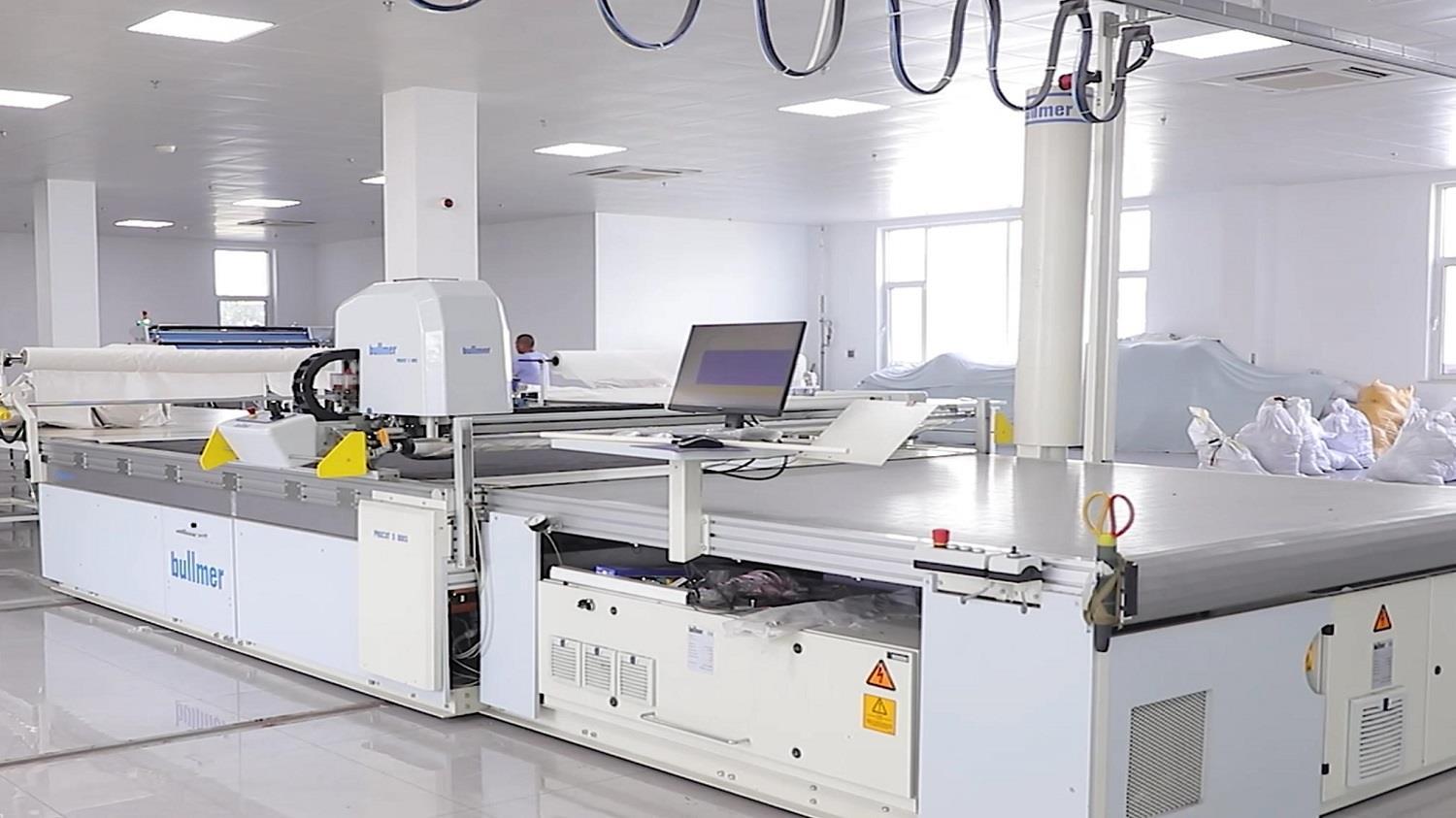
By leveraging automated layout planning, computerized flat knitting (utilizing 3G, 5G, 7G, and 12G multi-gauge machines), and real-time digital fabric scanning, Chinese factories eliminate the supply chain friction common in import-reliant economies. Where a Southeast Asian factory might face a 3-week delay waiting for custom-dyed mohair or specialized buttons, a Zhejiang facility draws from an immediate local ecosystem.
| Production Dimension | China Industry 4.0 (Zhejiang Orap) | Standard Southeast Asia (HCMC Local) |
|---|---|---|
| Raw Material Sourcing | Immediate local access (Zero import lead times) | High reliance on imported yarns/accessories |
| Sampling & Prototyping | 7–10 Business Days (Rapid iterations) | 15–25 Days (Custom component delays) |
| Technological Capability | 3D knitting, complex jacquards & intarsia | Predominantly basic gauges & standard cut-and-sew |
| Logistics Ecosystem | Seamless integration with Ningbo/Shanghai ports | Port congestion & local transit delays in HCMC |
To maximize competitive advantage, leading global fashion brands utilize a dual-pronged supply chain. By utilizing Chinese production lines for high-end, time-critical, or structurally complex knitted pullovers, and Southeast Asian plants for predictable, long-run basic apparel, enterprises minimize supply chain exposure.
As a leading Chinese garment manufacturer, Zhejiang Orap Clothing Co., Ltd. collaborates directly with regional partners across Asia, establishing stable supply-chain pathways that combine the best of Chinese manufacturing speed and global logistics frameworks.
Zhejiang Orap Clothing Co., Ltd. is a professional garment manufacturer specializing in apparel design, sample development, production, and global sales. Located in Zhejiang Province, China, we are committed to providing high-quality clothing solutions for customers worldwide. Since our establishment, we have built a strong reputation for reliable manufacturing, competitive pricing, and excellent customer service.
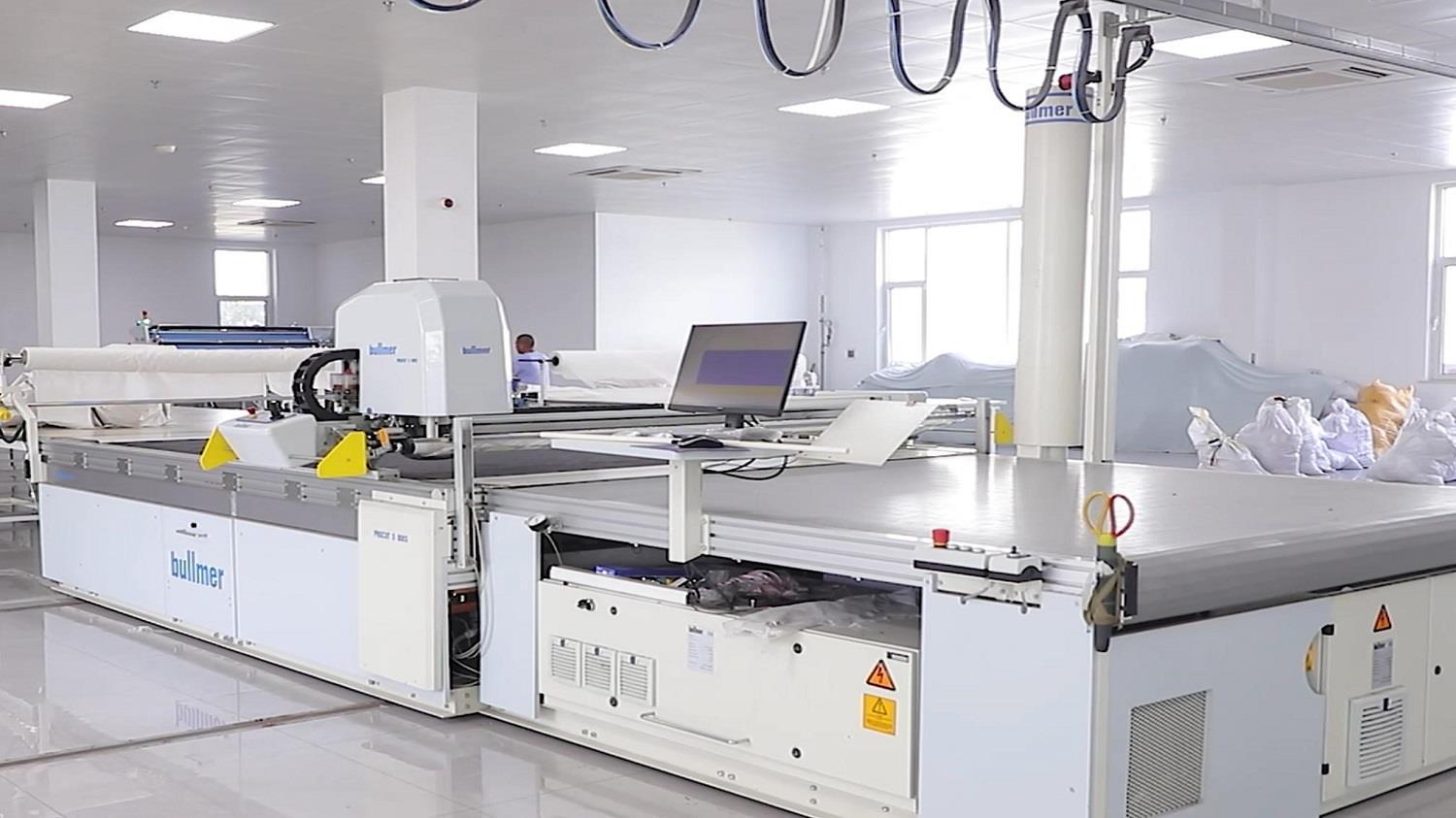
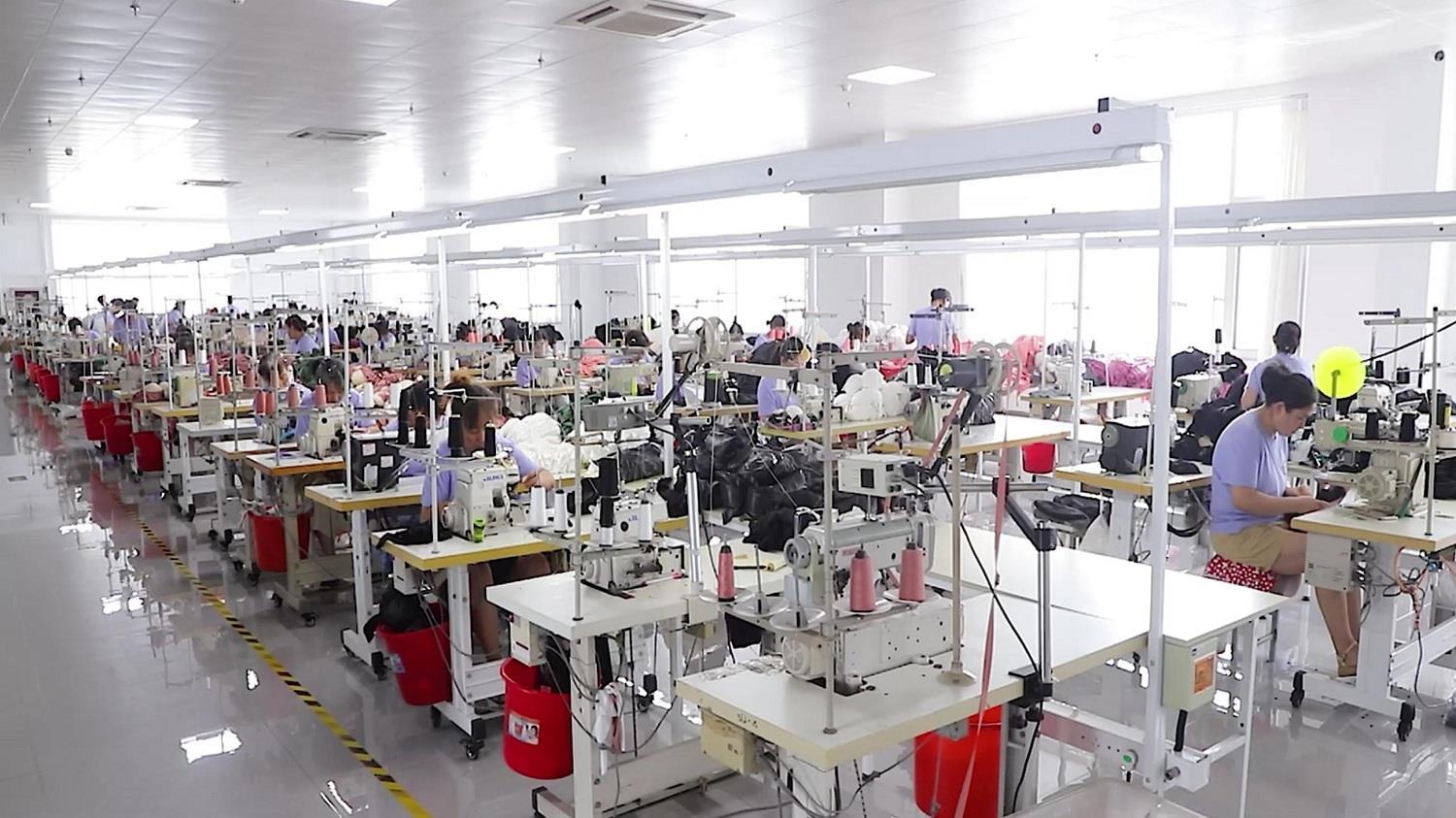
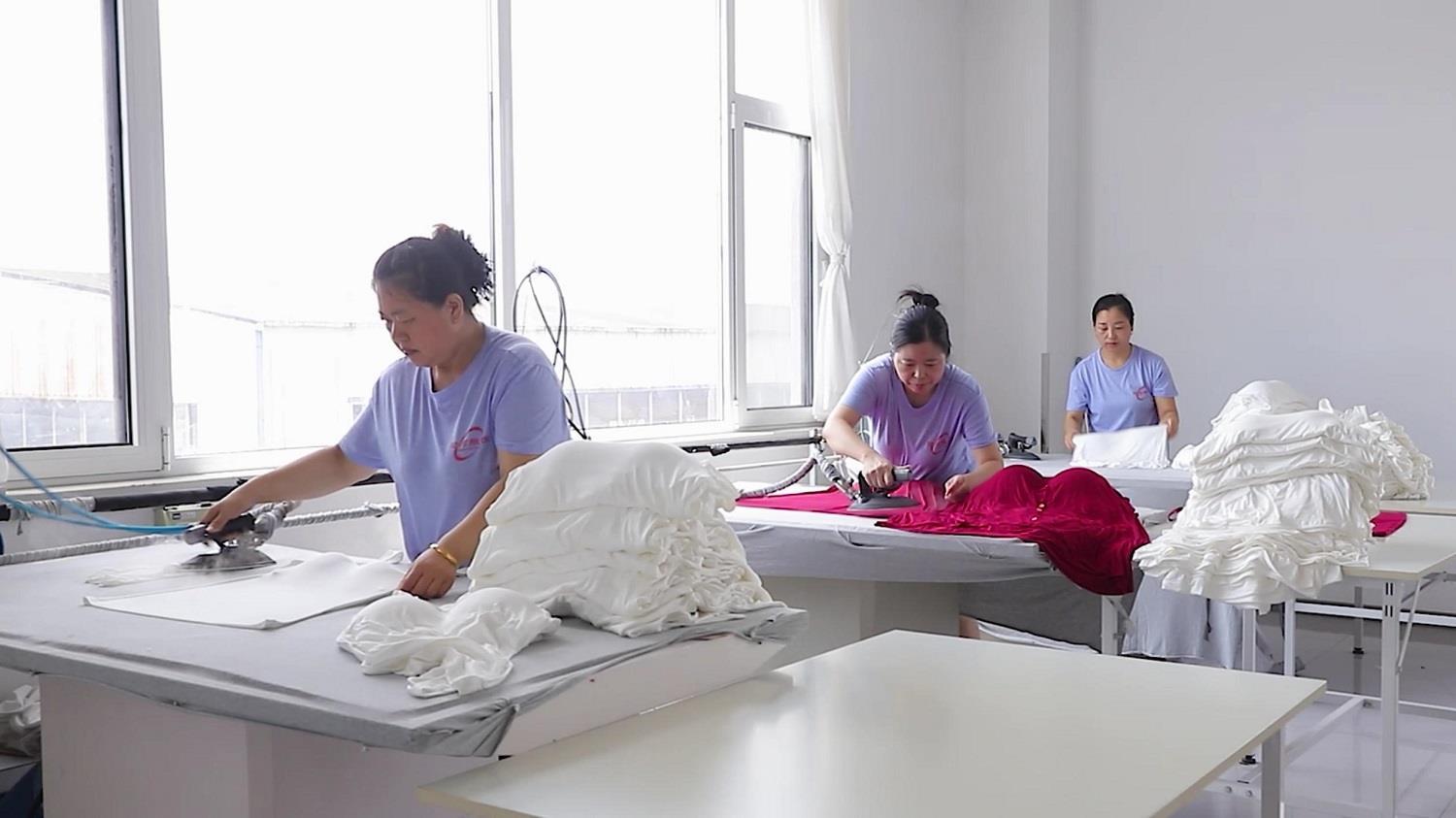
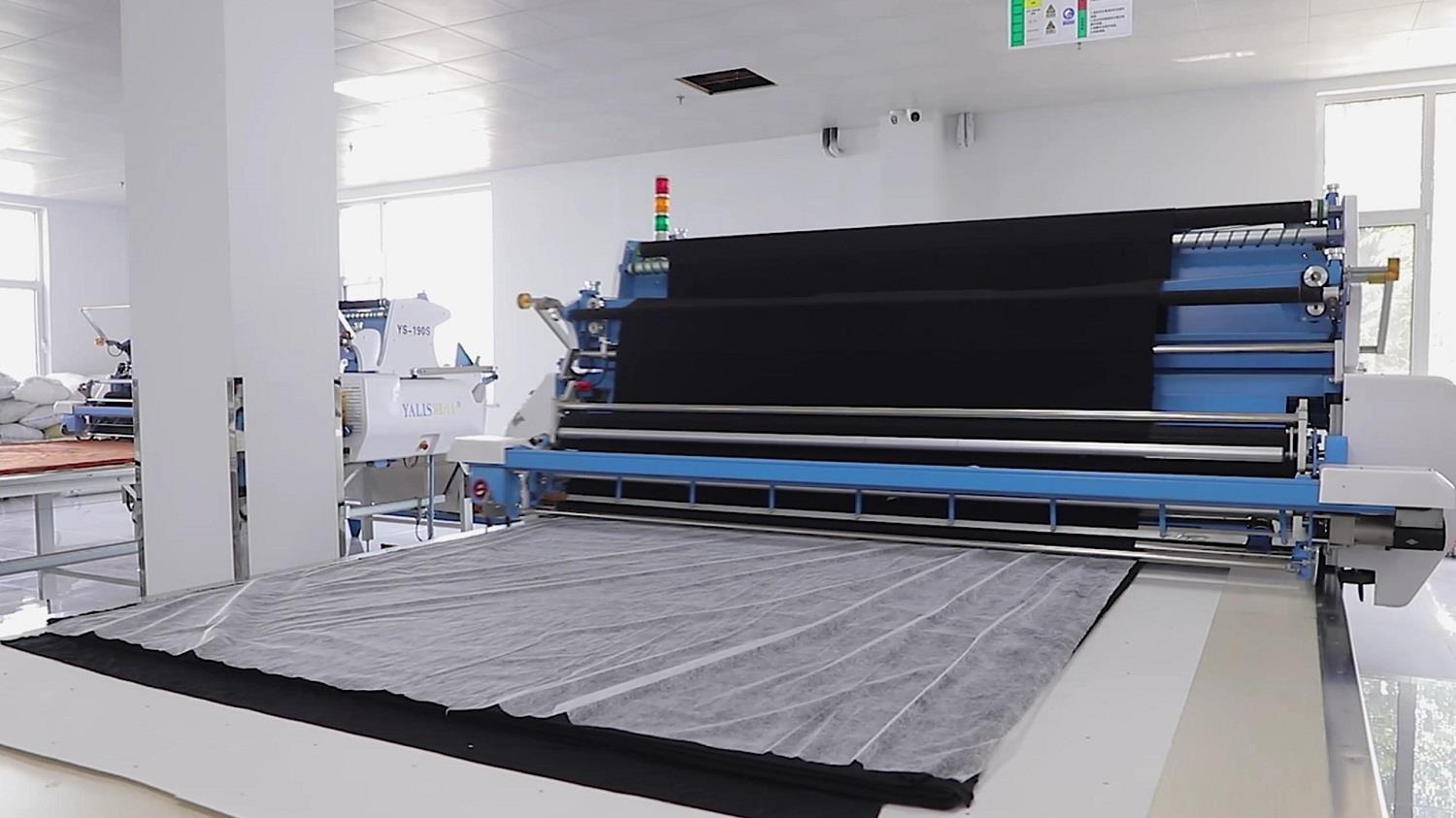
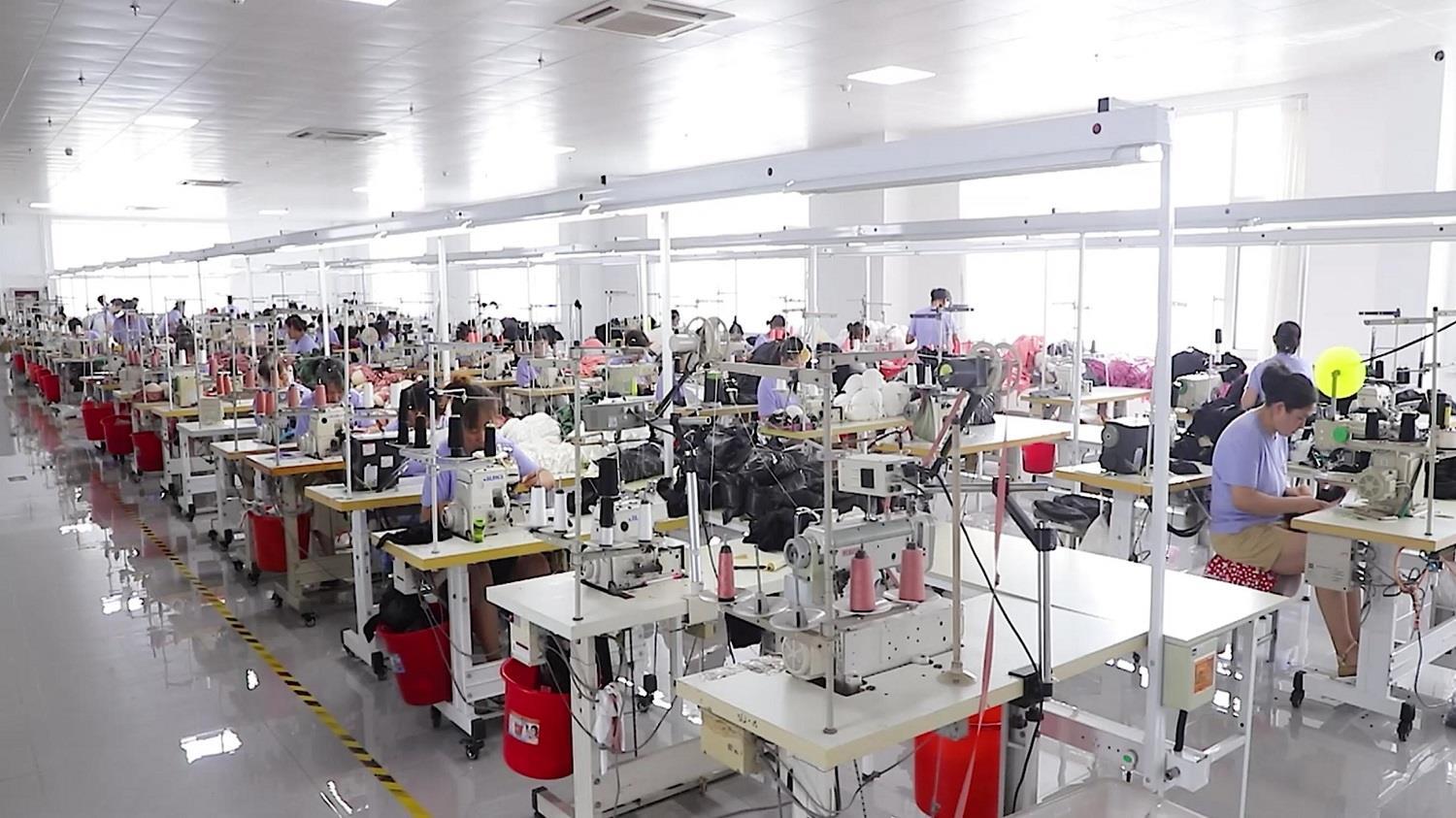
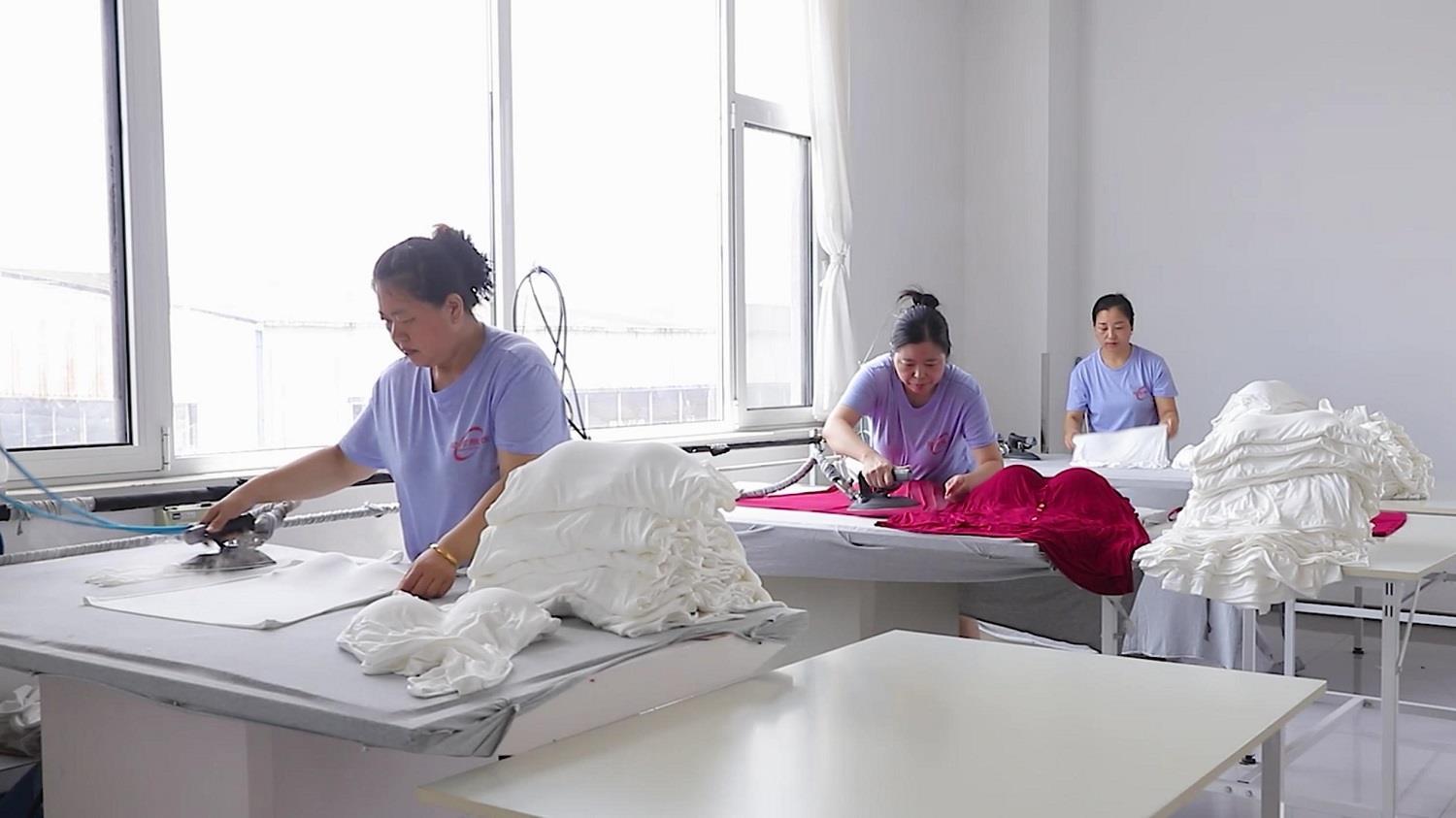
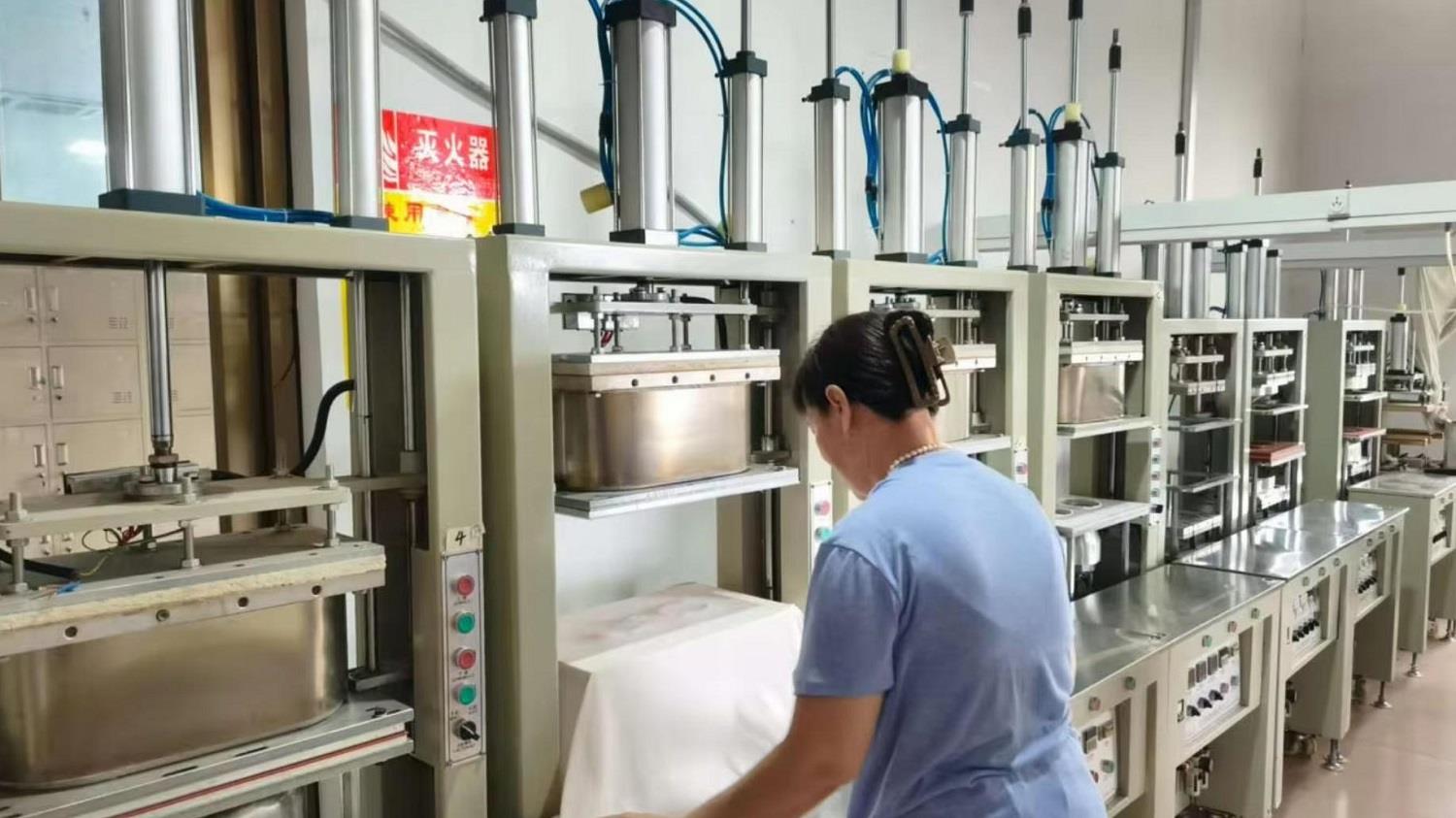
Our factory is equipped with advanced production equipment, including high-speed lockstitch sewing machines, overlock machines, double-needle sewing machines, buttonhole machines, button attaching machines, bartack machines, cutting tables, steam pressing equipment, and other specialized garment manufacturing facilities. These modern production lines enable us to efficiently handle a wide range of apparel categories while maintaining strict quality standards throughout every stage of production.
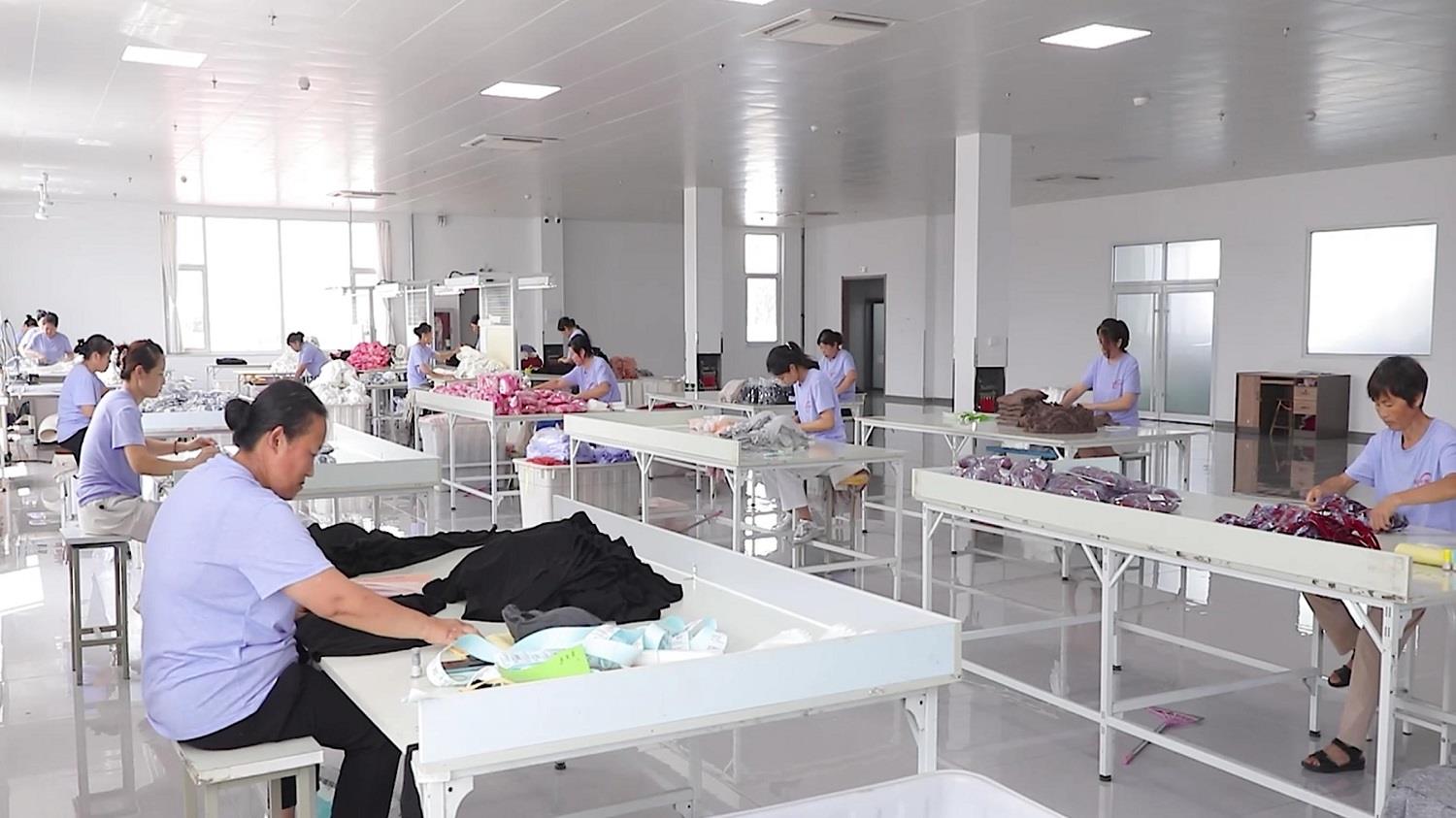
With an experienced team of designers, technicians, and skilled workers, Zhejiang Orap Clothing Co., Ltd. offers comprehensive OEM and ODM services. We work closely with fashion brands, wholesalers, retailers, and e-commerce businesses to transform ideas into high-quality finished products. From fabric sourcing and pattern making to sampling, bulk production, quality inspection, packaging, and shipment, we provide one-stop apparel manufacturing solutions.
Our main product range includes casual wear, sportswear, hoodies, sweatshirts, T-shirts, jackets, pants, dresses, uniforms, and other customized garments for men, women, and children. We continuously invest in new technologies, production management, and quality control systems to ensure every product meets international standards and customer expectations.
With a monthly production capacity of more than 100,000 pieces, we are capable of fulfilling both small-batch customization and large-volume orders while ensuring on-time delivery. Every garment undergoes strict quality inspections before shipment, reflecting our commitment to consistency, durability, and customer satisfaction.
Guided by the philosophy of "Quality First, Customer Foremost, Integrity, and Win-Win Cooperation," Zhejiang Orap Clothing Co., Ltd. is dedicated to building long-term partnerships with clients around the world. We continually improve our products, services, and manufacturing capabilities to help our customers succeed in today's competitive apparel market.
We sincerely welcome partners from all over the world to collaborate with us and create lasting business success together.
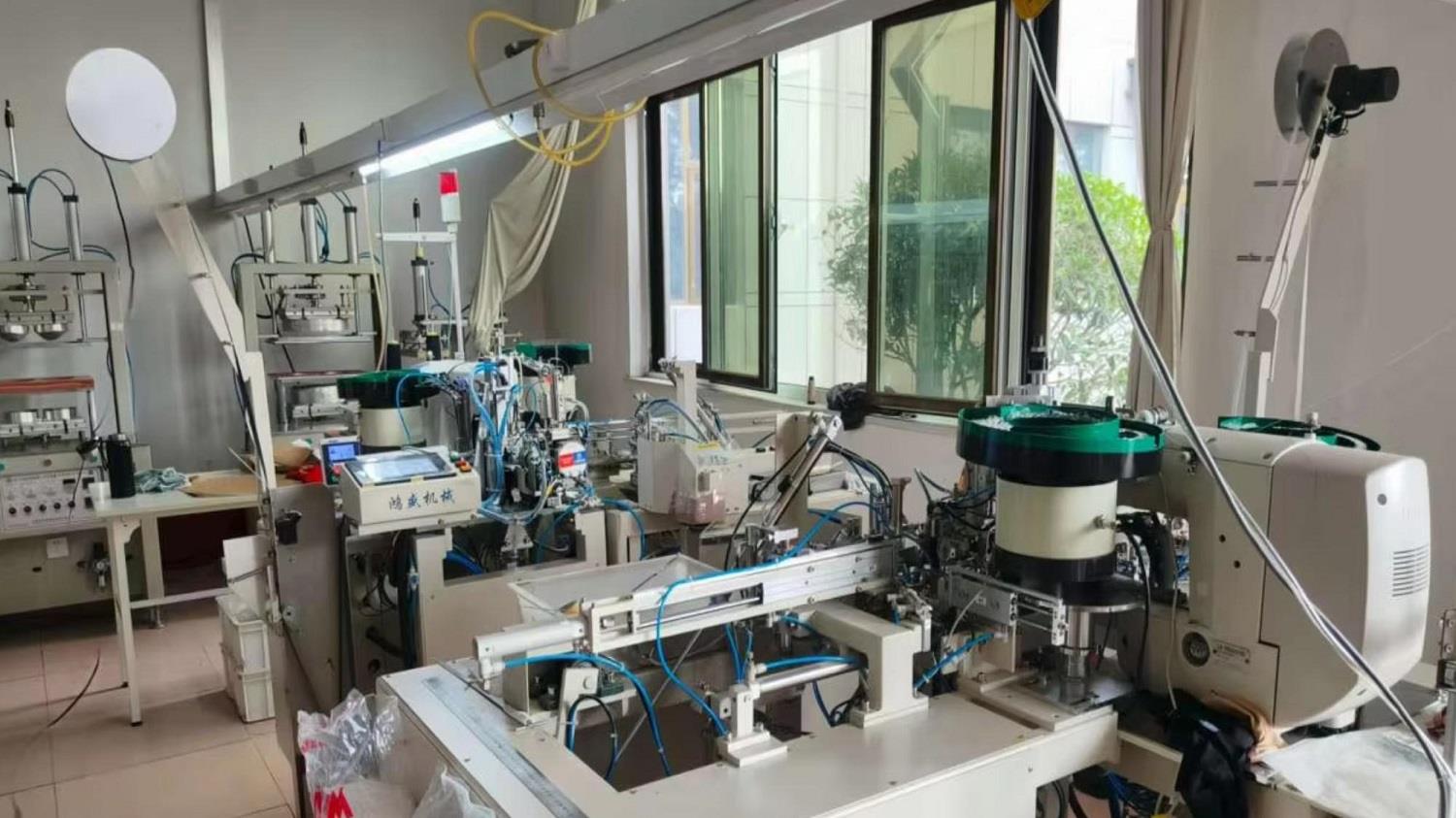
Understanding how geographical trends determine fabric construction and design requirements.
For warm and humid Southeast Asian climates, factories produce lightweight, breathable, open-knit structures using 100% fine combed cotton or linen-acrylic blends. These models are ideal for transitioning between tropical outdoors and heavily air-conditioned retail zones.
Characterized by heavy cotton pullovers, stripe patterns, and fuzzy mohair textures. Sourcing requirements emphasize thick gauge structures (5GG to 7GG) capable of supporting large jacquard patterns, custom embroidered patches, and athletic fits.
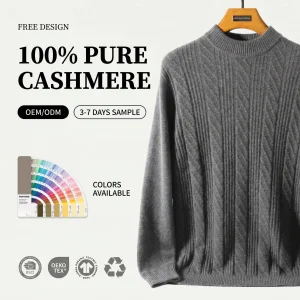
Demands the pinnacle of fiber composition: 100% pure cashmere and wool blend cables. The emphasis lies on high-density weaving (12GG) to ensure superior warmth retention, zero piling, and exceptional longevity, aligning with sustainable luxury consumption.
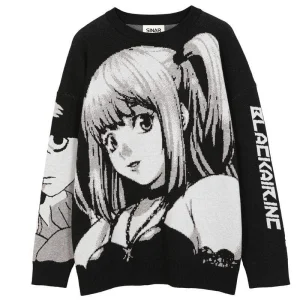
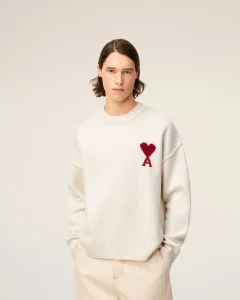
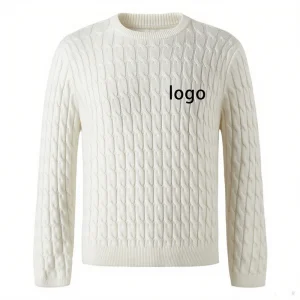
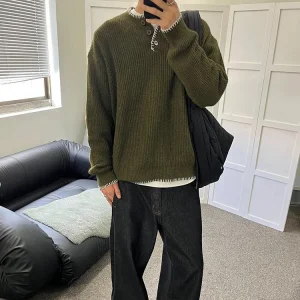
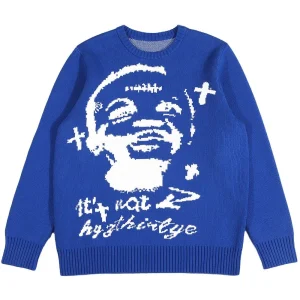
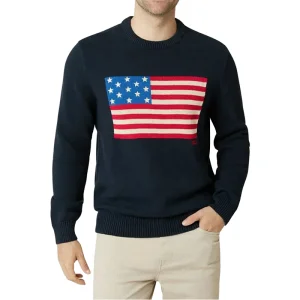
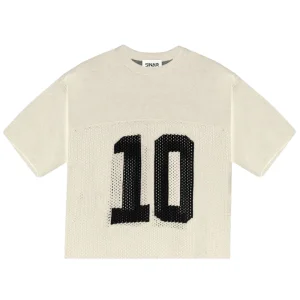
Browse our extensive collection of customizable sweaters. Choose from mohair, cashmere, vintage cotton, and heavy jacquard options tailored to your brand's specifications.
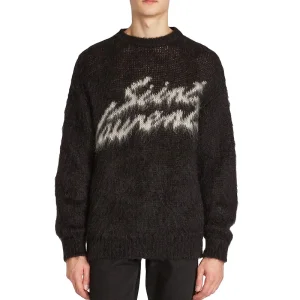
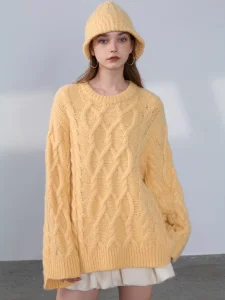
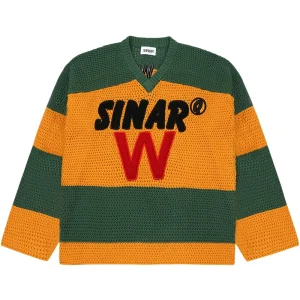
Crucial industry insights directly from our apparel engineering department.
While HCMC has robust local systems for basic fabrics and sewing trims, high-grade knit yarns (especially certified organic cotton, premium mohair, and low-micron cashmere) are mostly imported from China. Sourcing directly from a Zhejiang factory like Orap Clothing ensures direct access to local spinning mills, reducing material transit delays and lowering raw fiber costs.
Moq varies by complexity. For standardized flat knit styles using stock yarn colors, MOQs start as low as 100 to 300 pieces per style. For highly custom color matching (pantone specific dyeing) and complex jacquards/intarsia patterns, typical industrial runs require 500+ pieces to maintain cost efficiency.
We supply full-spectrum flat-bed knitting capabilities. This includes heavy knit structures (3GG and 5GG), transitional weights (7GG and 9GG), and fine gauge garments (12GG and 14GG) suitable for lightweight pullovers, cardigans, and sportswear inserts.
Zhejiang Orap Clothing maintains strict adherence to international environmental and labor guidelines. Our operations carry Oeko-Tex Standard 100 certifications, BSCI social audits, and GRS (Global Recycled Standard) compliance for recycled yarn processing. Every shipment undergoes AQL 2.5/4.0 standard quality inspections before transport.
Yes. By executing a dual-hub model, we can coordinate with apparel consolidators in major Southeast Asian shipping hubs, including Cat Lai Port in Ho Chi Minh City, delivering components or finished apparel under structured DDP/FOB agreements.
 Orap Clothing