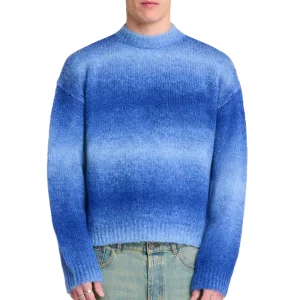
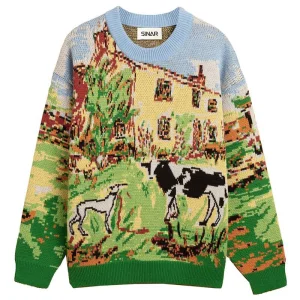
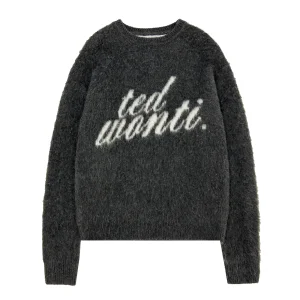
Exemplary designs engineered for global compliance, high structural durability, and refined visual appeal, utilizing Lesotho's tariff benefits.

The global textile and apparel industry has entered an era defined by tariff optimization, sustainable sourcing, and fast-response supply chain ecosystems. Within this landscape, Lesotho has solidified its position as a primary hub for apparel manufacturing in Sub-Saharan Africa. The country’s knitwear and sweater production sectors are major contributors to its export economy, backed by key trade agreements that make it highly lucrative for North American and European buyers.
For international apparel brands, sourcing from Lesotho provides a significant competitive advantage under the African Growth and Opportunity Act (AGOA), offering duty-free access to the United States market. This structural tariff exemption, combined with a highly productive workforce and specialized infrastructure in industrial estates like Thetsane and Maputsoe, makes Lesotho a primary choice for high-volume, cost-effective knitwear manufacturing.
To leverage this African powerhouse, Zhejiang Orap Clothing Co., Ltd. integrates its design capabilities, advanced machinery layout, and supply chain control with international manufacturing routes. By bridging advanced East Asian textile engineering with regional African duty-free advantages, we offer brands a risk-mitigated pathway to procure high-quality sweaters, pullovers, and casual knitwear at competitive price points.
Through this hybrid framework, global buyers achieve both compliance security and cost optimization, maintaining the flexible lead times necessary to navigate modern retail demand cycles.
How our integrated network solves supply chain challenges through strategic optimization, advanced tech, and structural advantages.
Avoid heavy anti-dumping duties and high tariffs. Sourcing knitwear through our Lesotho-associated corridors provides zero-tariff entry into US markets under AGOA and preferential access to the EU under the EPA, saving up to 32% in landed costs compared to direct Asian exports.
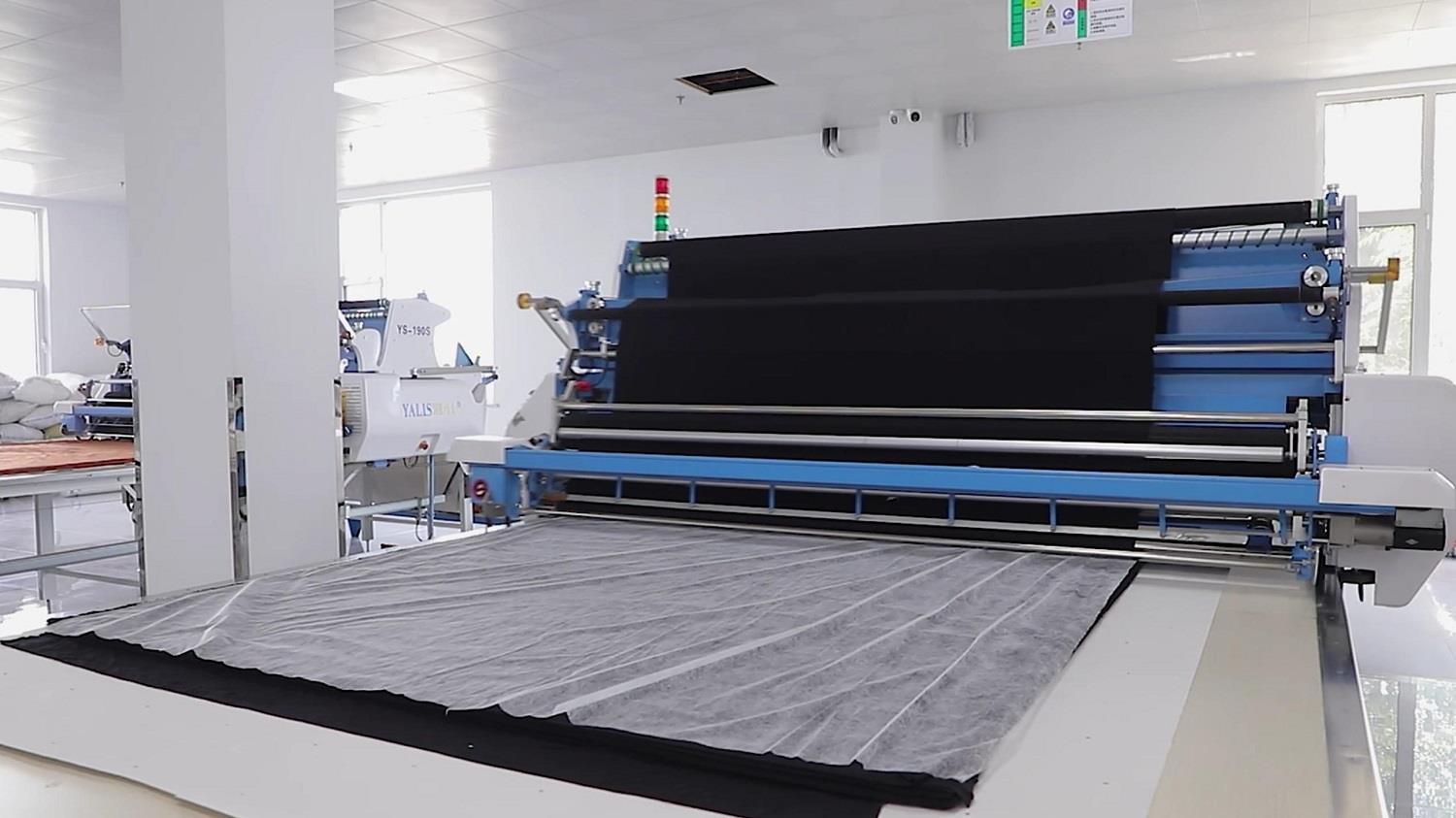
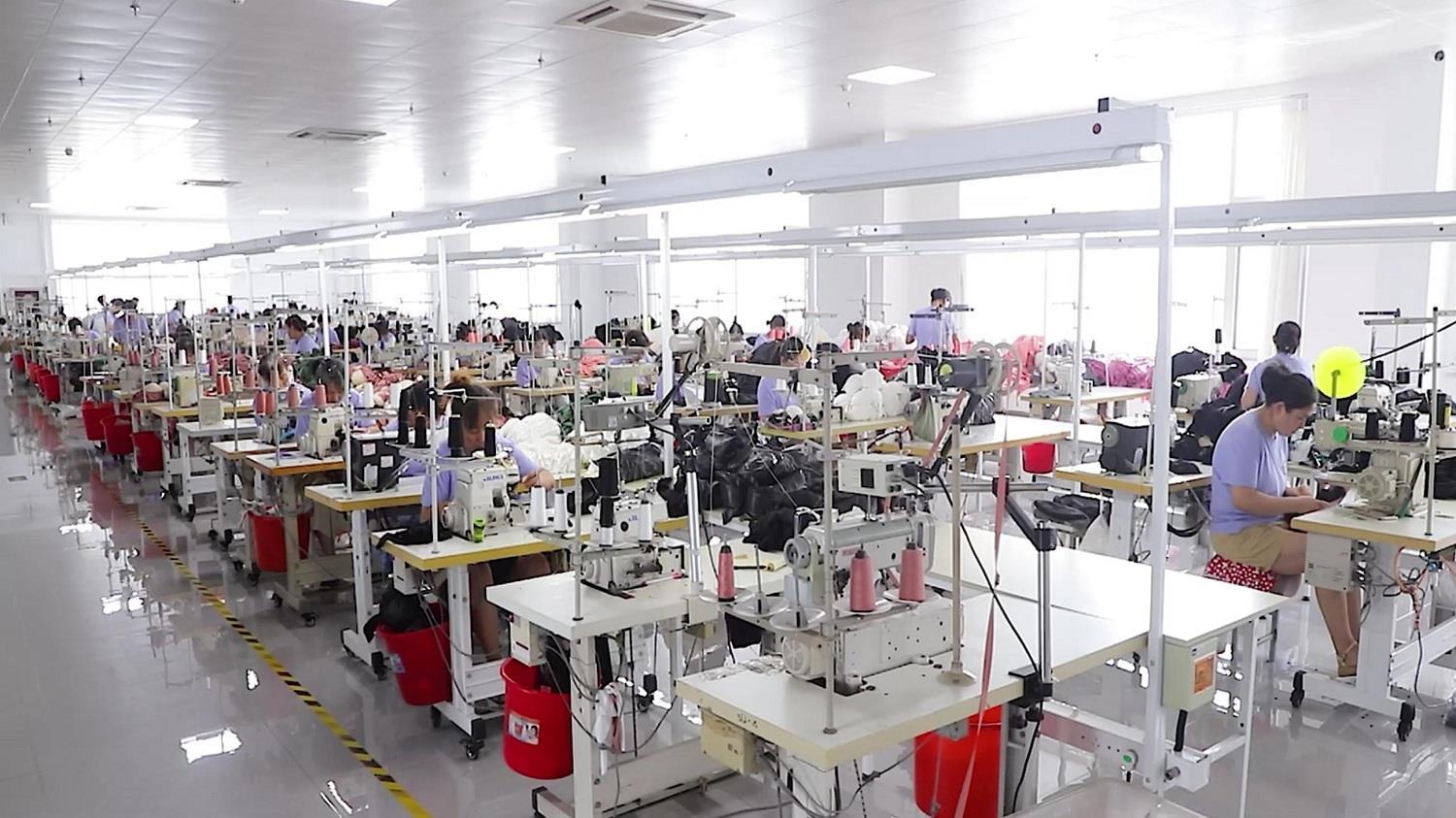
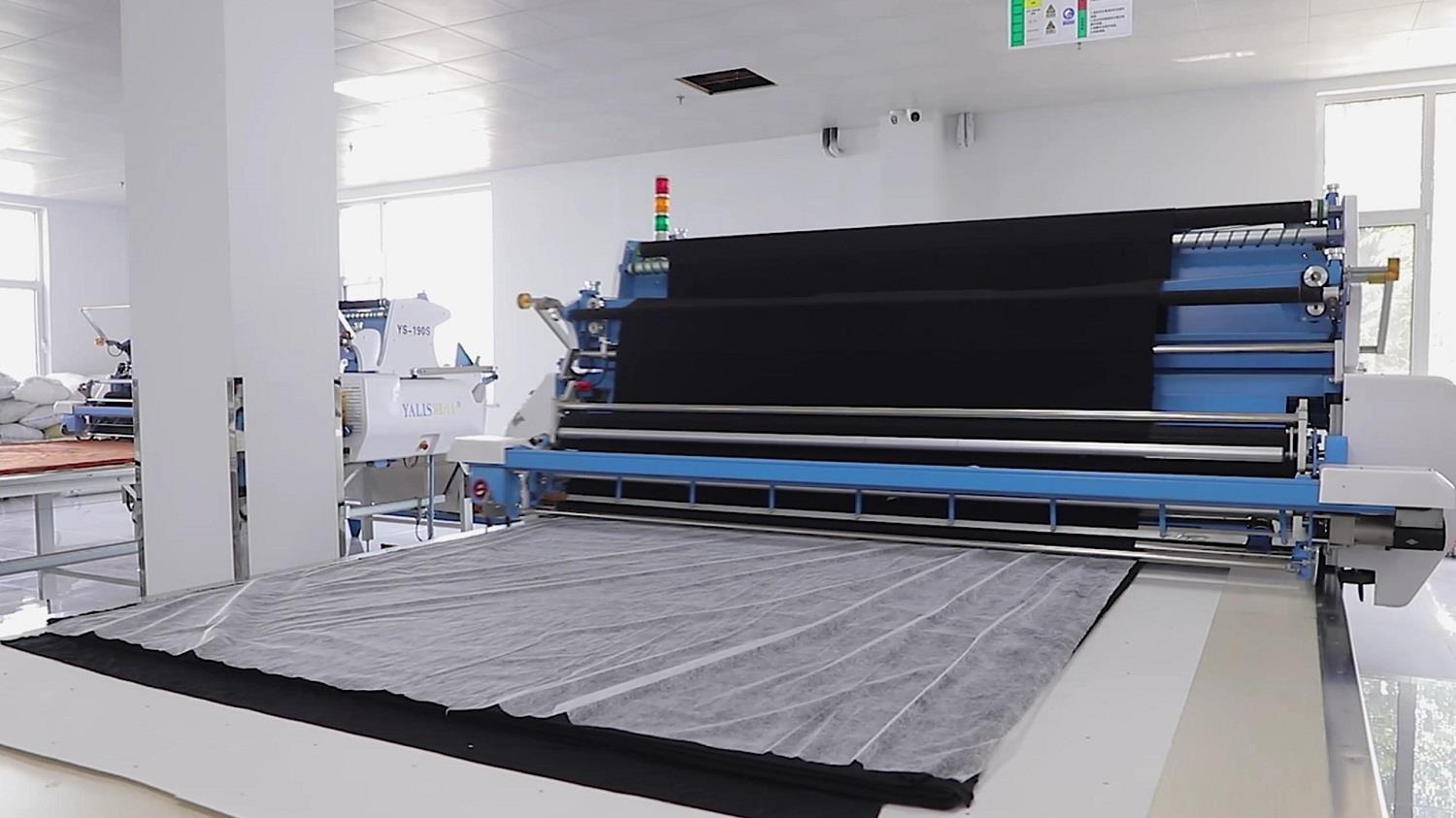
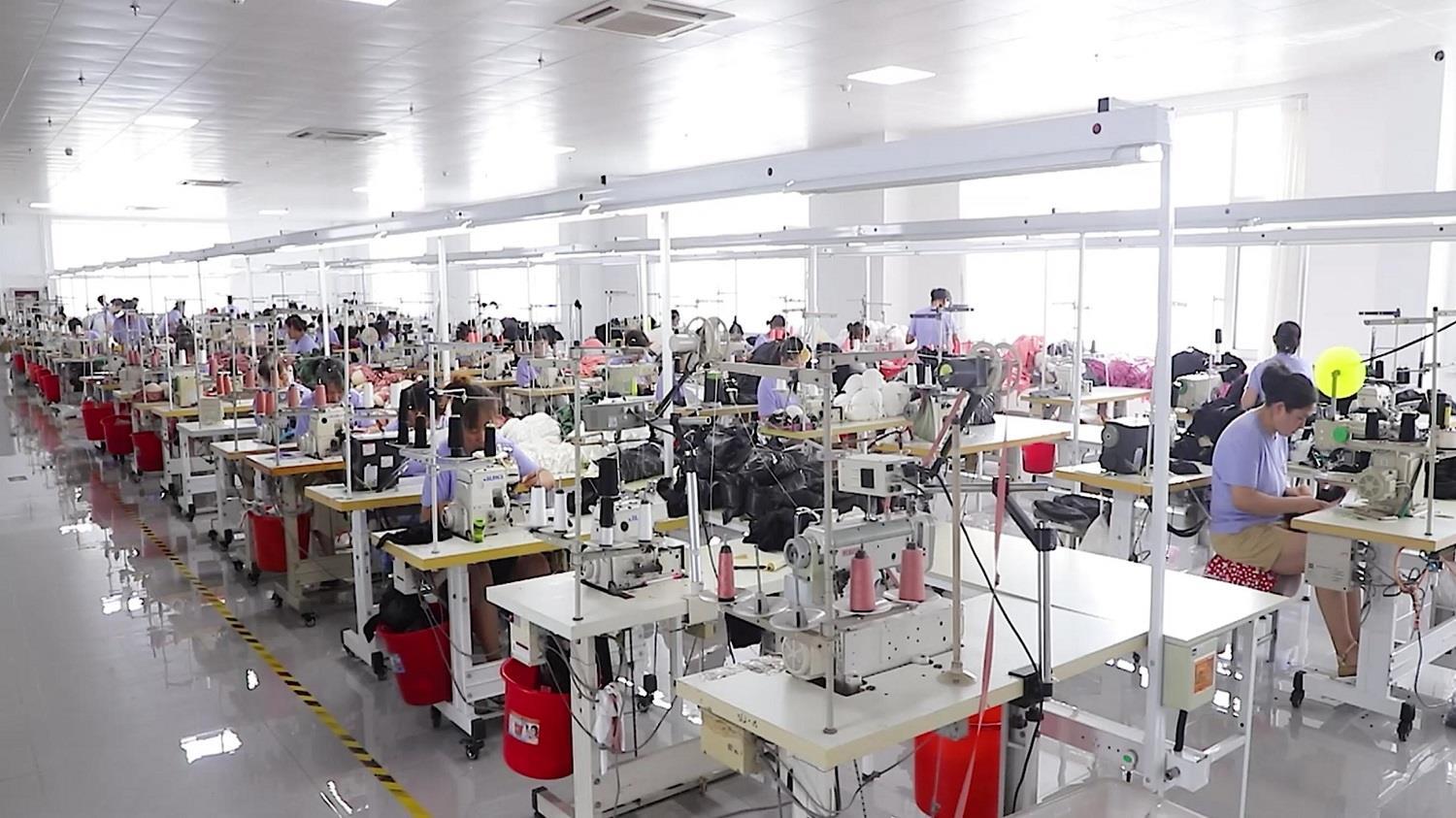
We deploy high-speed lockstitch sewing machines, overlock systems, automated fabric spreading, and belt threading machines to maintain precision. Our production lines eliminate the inconsistencies of conventional hand-weaving while keeping labor conditions optimal.
We strictly adhere to local labor laws, ensuring fair wages, safe workspaces, and environmental protocols in Lesotho. All our collaborative factories operate under ethical sourcing guidelines, satisfying rigorous ESG audits from Fortune 500 retail clients.
How Zhejiang Orap Clothing Co., Ltd. leads technical transformation in Lesotho factories.
In traditional knitwear manufacturing, brands face key challenges: yarn wastage, structural seams that weaken over time, and prolonged design-to-sample lead times. Our roadmap focuses on integrating digital design tools with localized manufacturing lines to drastically shorten timelines and improve consistency.
We use virtual fabric-simulation engines to test drape, tension, and stretch before a physical thread is cut. Our design team in Zhejiang interacts with sourcing heads globally to refine fit and pattern details digitally, reducing sample generation cycles from weeks to just a few days. Once approved, the exact digital patterns are synchronized with our automated cutting and knitting facilities.
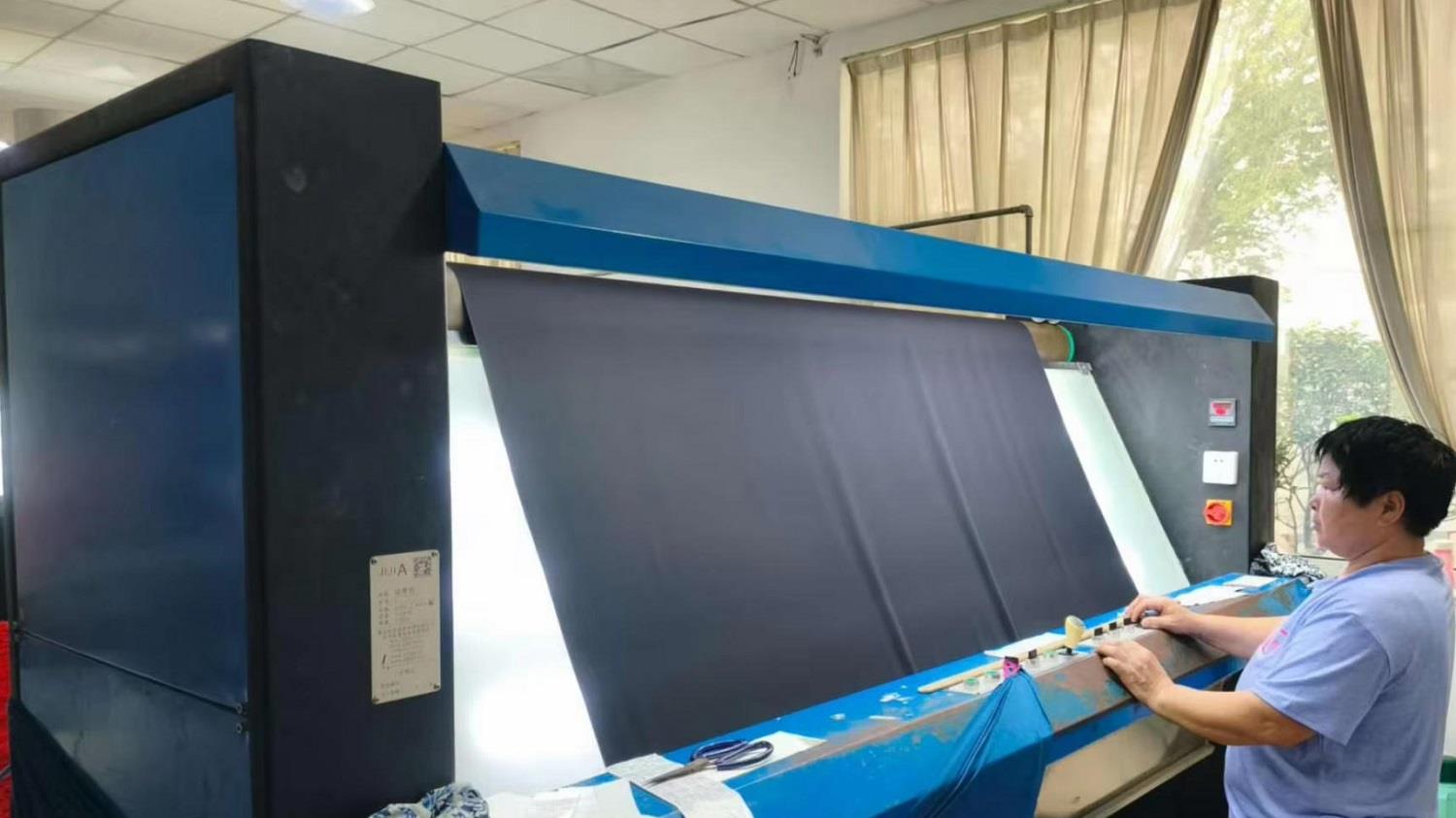
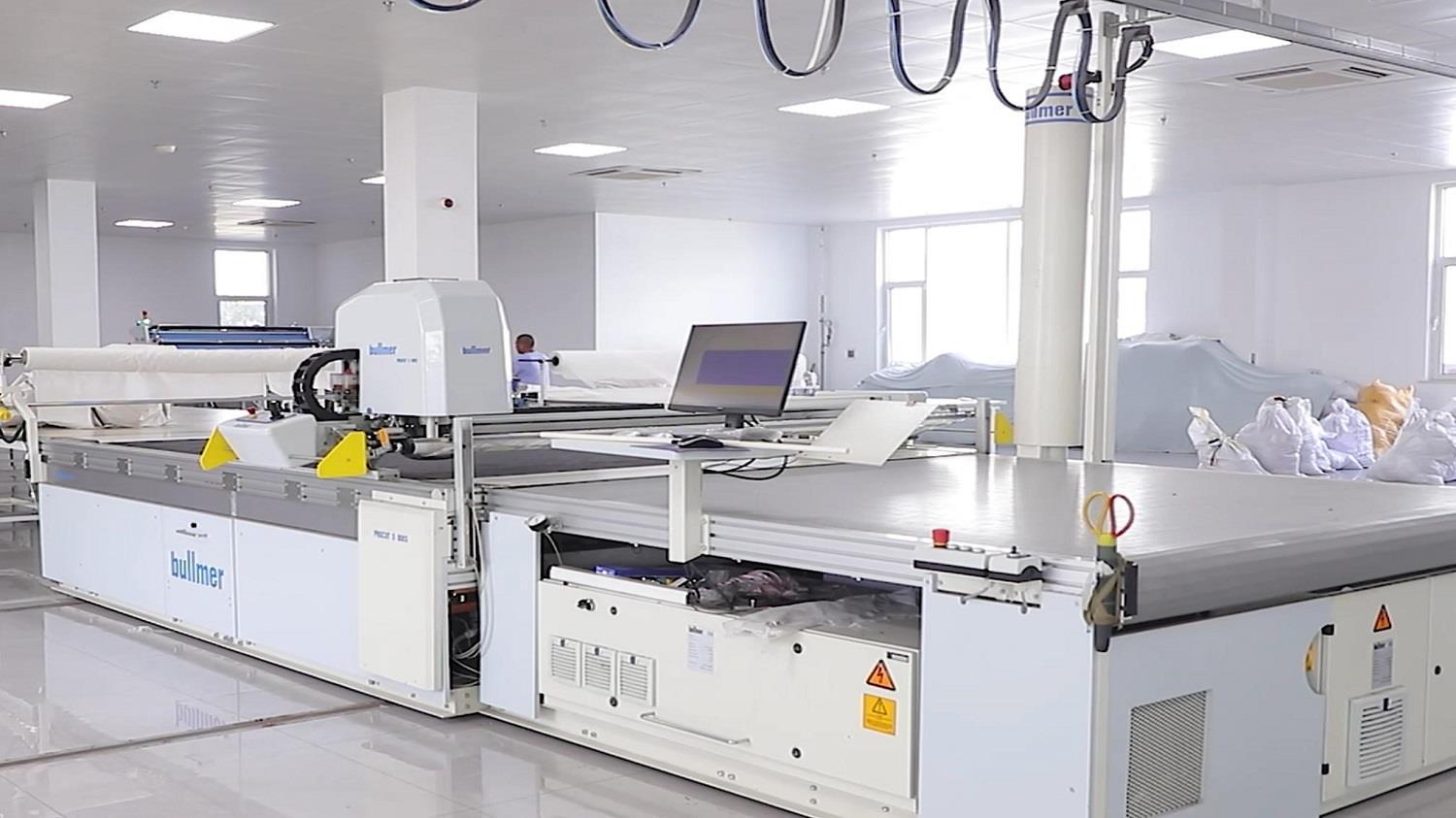
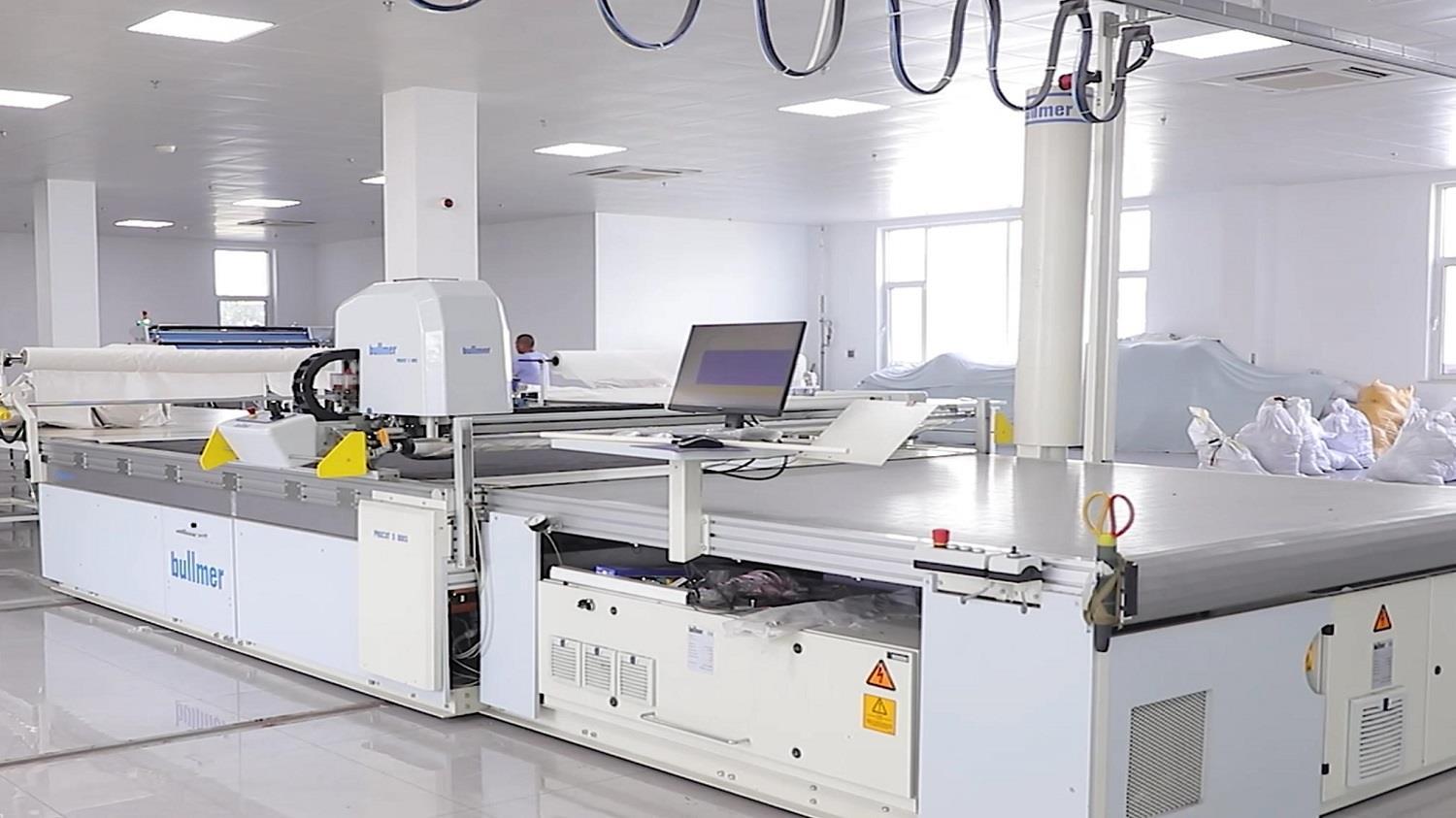
Using our state-of-the-art Fabric Spreading Machines and Automatic Cutting Machines, we achieve uniform tension across fabric layers. This step is critical to prevent post-wash twisting and structural distortion in garments like cotton jacquards and wool-blend pullovers.
Lesotho’s landlocked position presents minor logistical barriers. We solve this by leveraging integrated transport lines through the Port of Durban, South Africa. Raw materials are sourced efficiently through our global networks, processed under strict quality controls, and shipped via Durban’s deep-water ports, securing reliable cargo space and predictable transit times.
A step-by-step look at our advanced manufacturing systems, ensuring all goods manufactured for export adhere to highest quality standards.
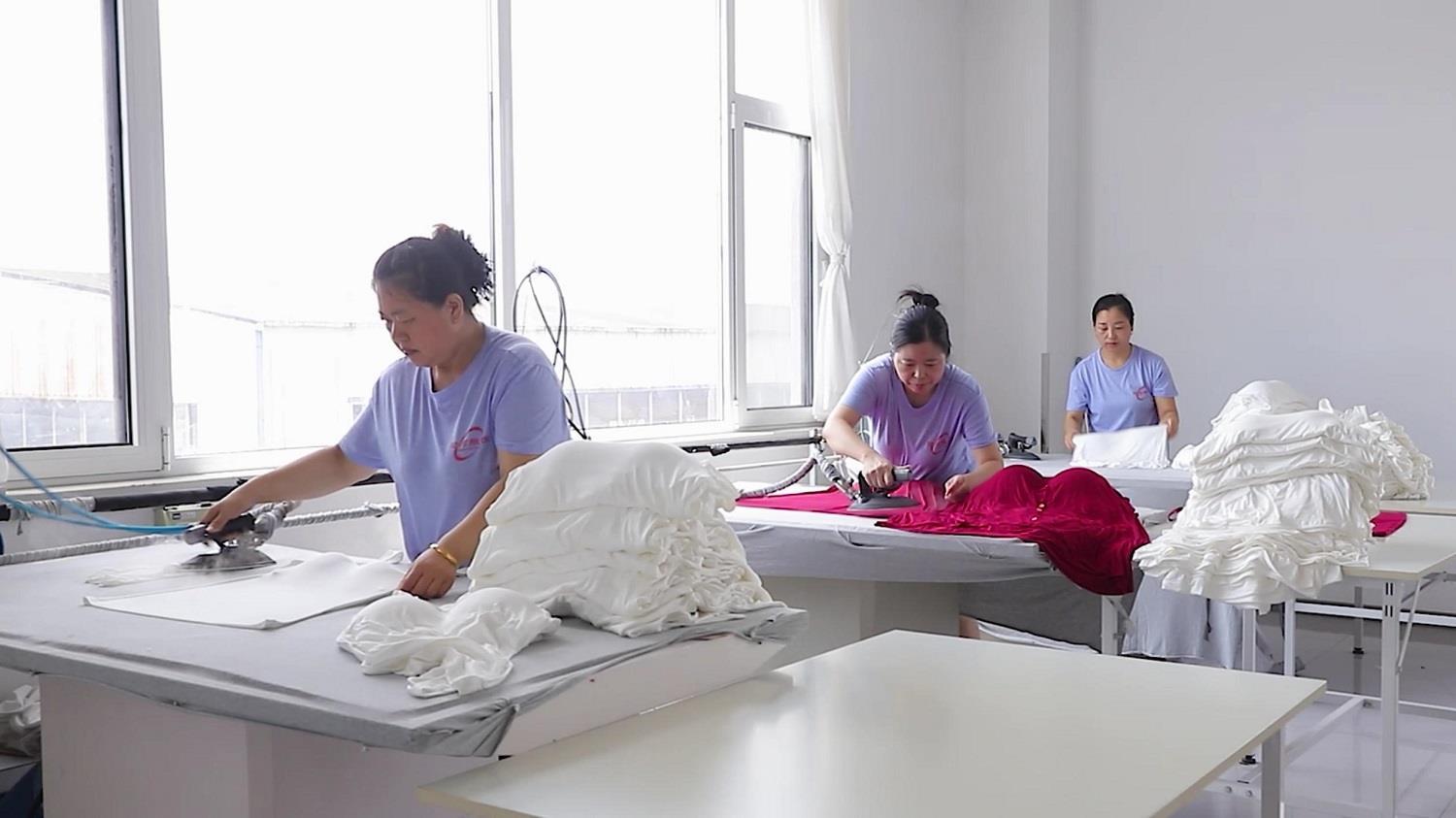
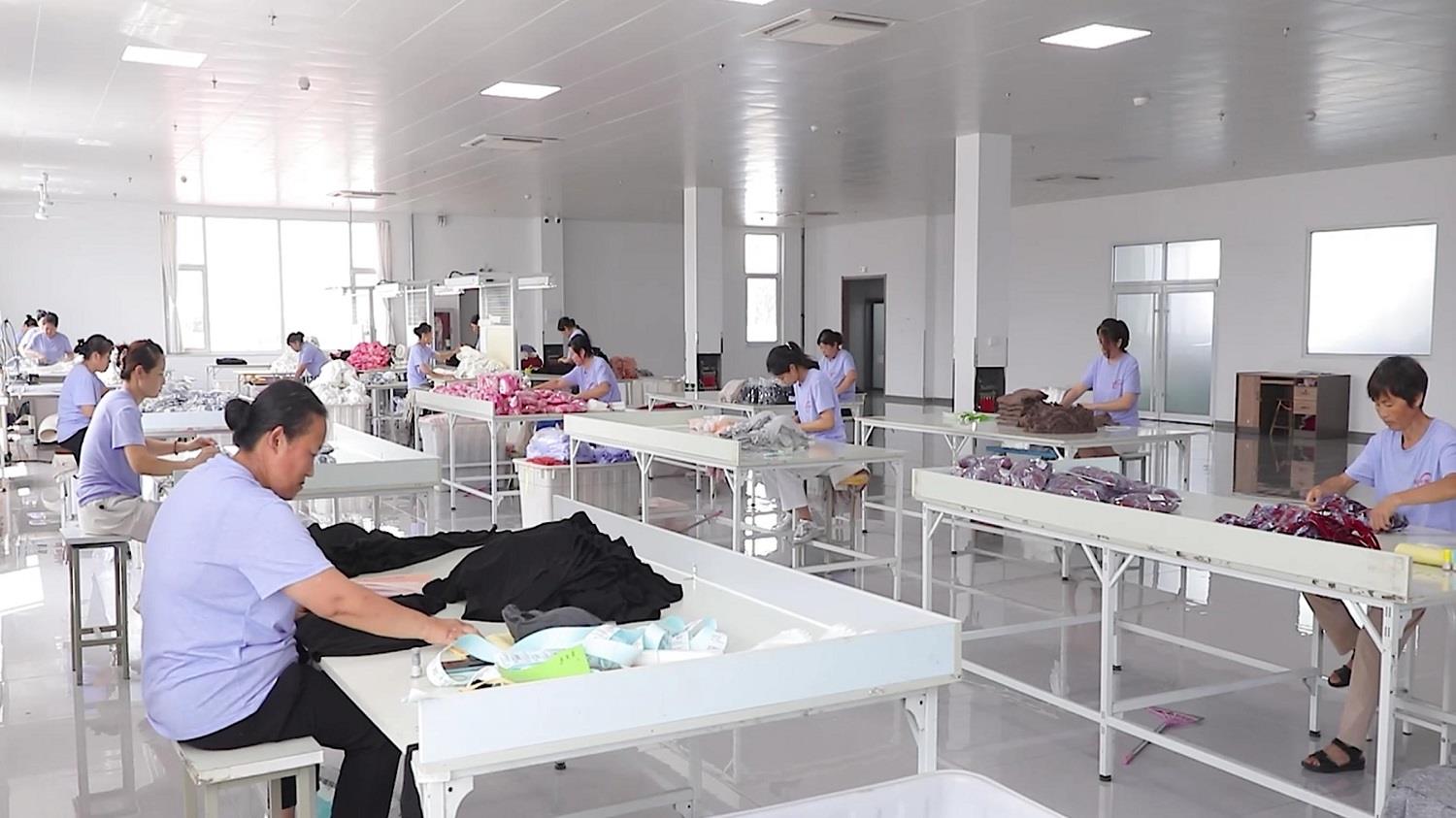
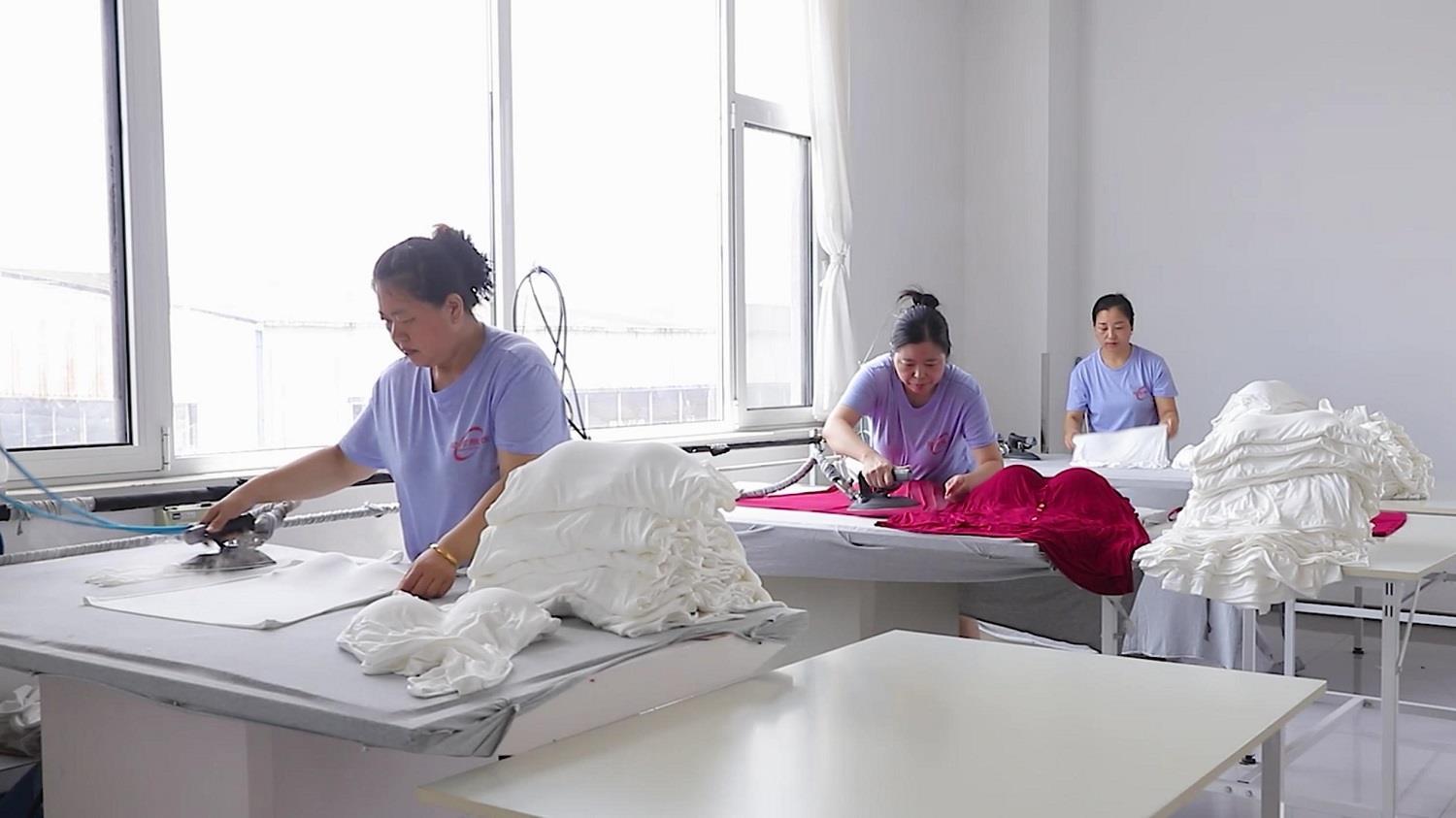
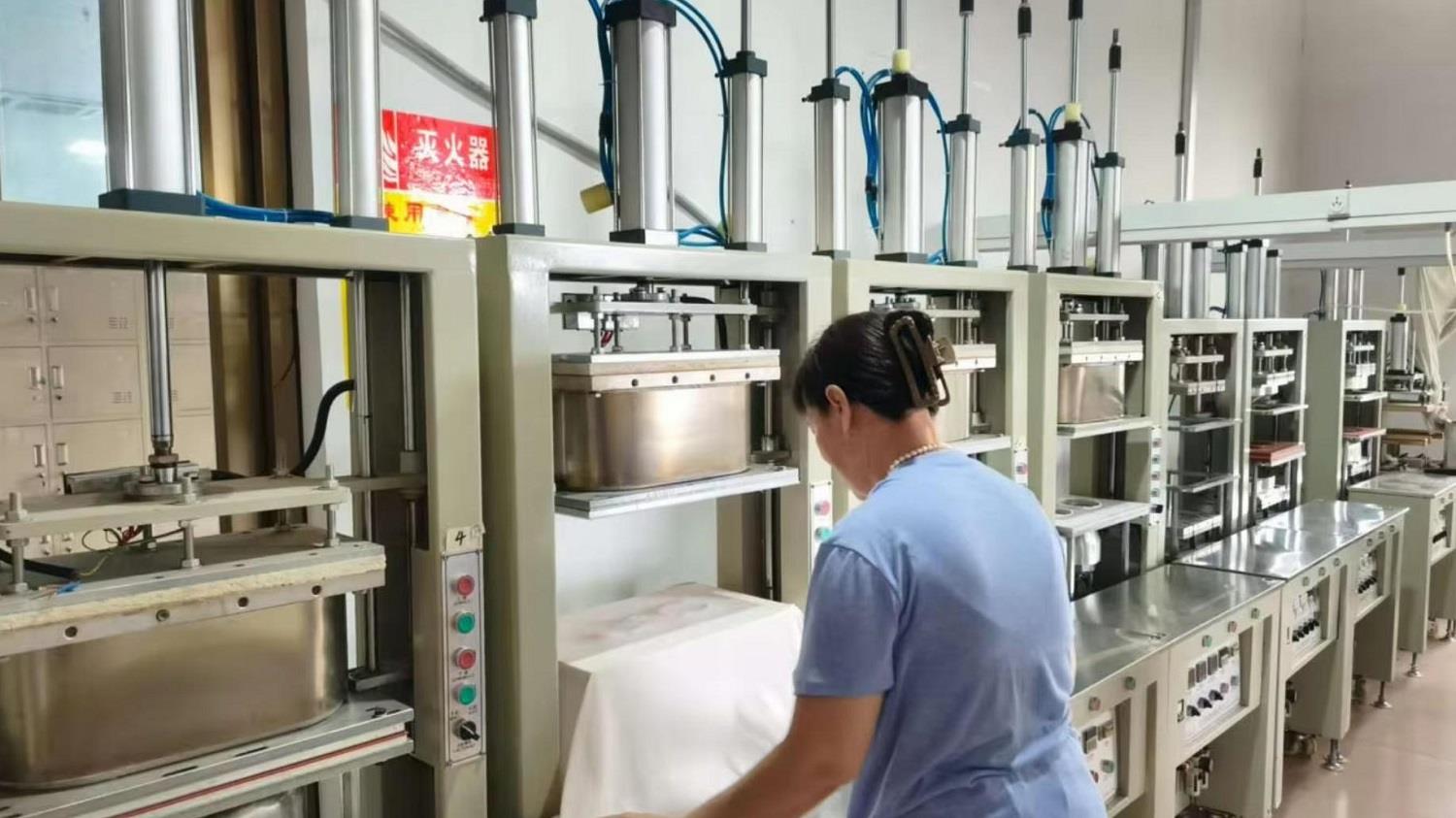
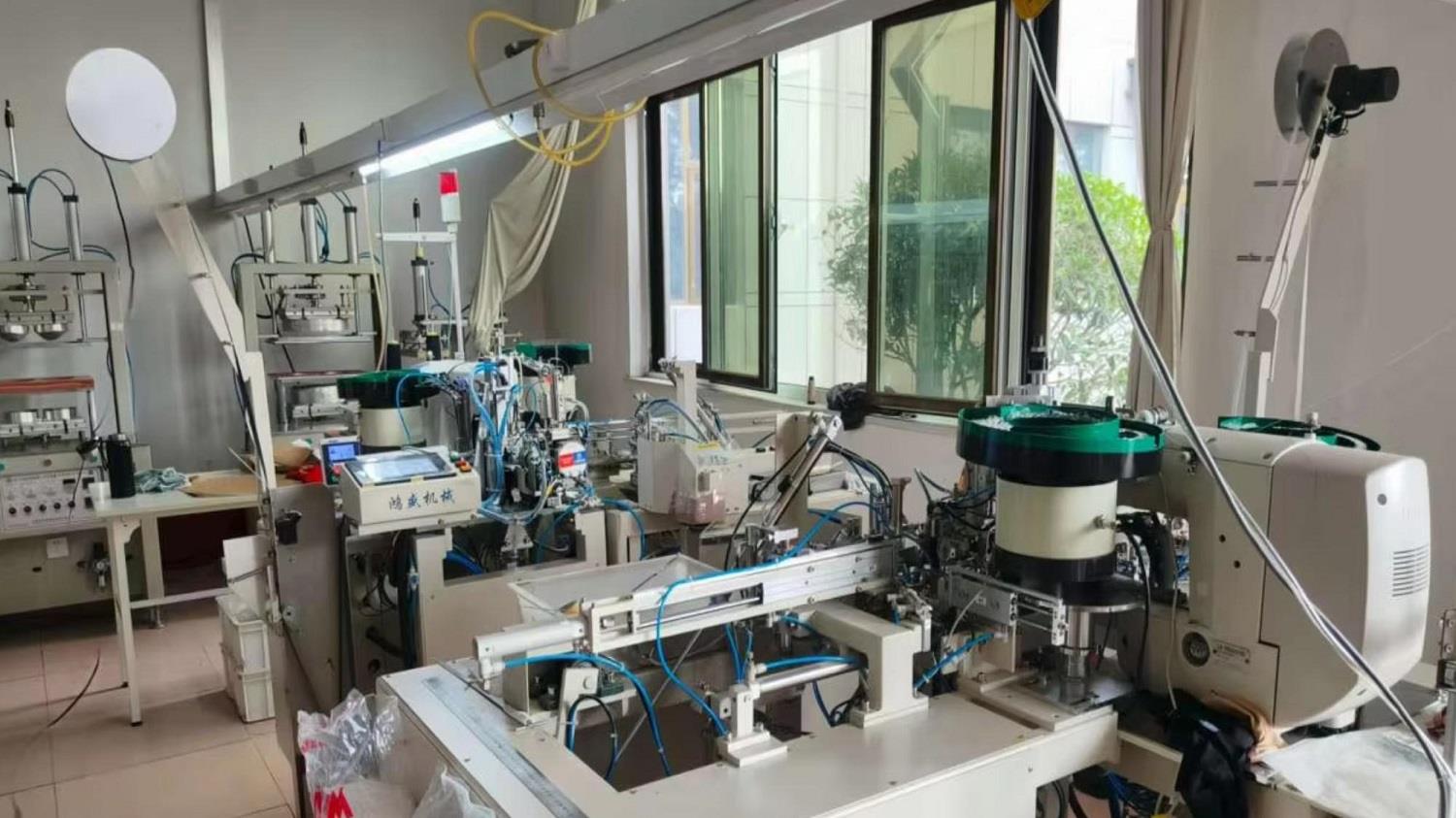
Our corporate facility is equipped with modern garment production equipment, including high-speed lockstitch sewing machines, overlock machines, double-needle sewing machines, buttonhole machines, button attaching machines, bartack machines, cutting tables, steam pressing equipment, and other specialized garment manufacturing tools. This infrastructure ensures strict quality standards throughout all processing stages.
Navigating global trade frameworks, supply routes, and manufacturing efficiencies.
Lesotho's emergence as an apparel powerhouse is closely linked to its trade relationships. Under the AGOA framework, Lesotho-made apparel enjoys zero-tariff entry into the US, bypassing the standard Most-Favored-Nation (MFN) tariffs that can range from 15% to over 32% on synthetic and wool blend knitwear. This makes Lesotho an indispensable partner for brands targeting the North American market.
Crucially, AGOA includes a "third-country fabric provision." This allows Lesotho apparel exporters to source yarn and fabric from external suppliers (such as advanced mills in China) and still qualify for duty-free access to the United States. This structural advantage gives Lesotho factories access to high-quality raw materials while maintaining complete tariff protection.
Beyond US trade, Lesotho is a member of the Southern African Customs Union (SACU) and has signed Economic Partnership Agreements (EPAs) with the European Union and the United Kingdom. This means knitwear manufactured in our facilities can enter the UK and EU duty-free, providing global brands with a multi-market sourcing base.
To support this supply chain, Zhejiang Orap Clothing Co., Ltd. offers a comprehensive design-to-delivery framework. Sourcing teams and designers based in China oversee fiber selection, pattern mockups, and early-stage development, while final bulk production, cutting, sewing, and quality testing are managed through our strategic regional partnerships. This ensures consistent quality control and reduces cost pressures for global brands.
Key information on logistics, tariff advantages, material selection, and production timelines.
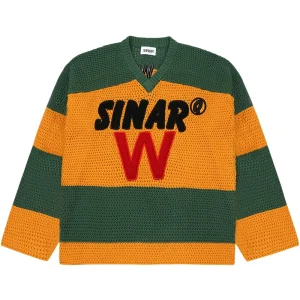
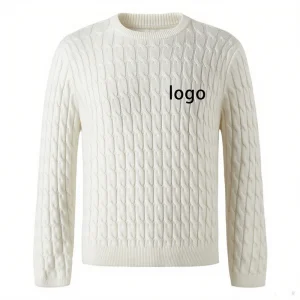
High-performance designs engineered for retail appeal and manufactured under strict compliance standards.




 Orap Clothing