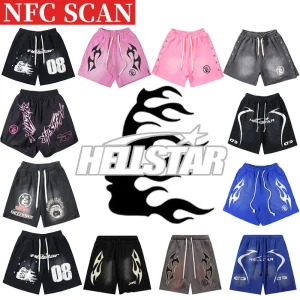
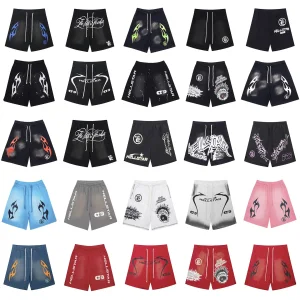
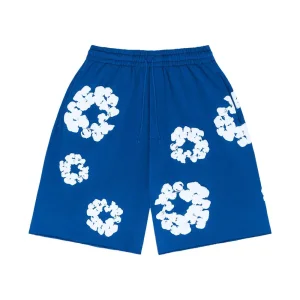
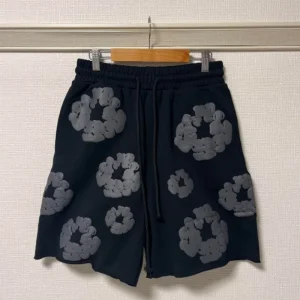
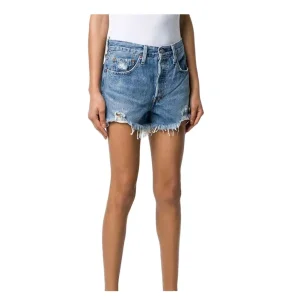
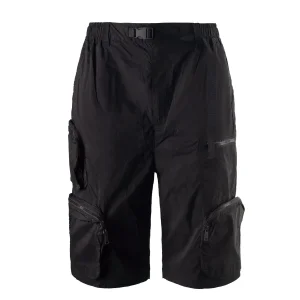
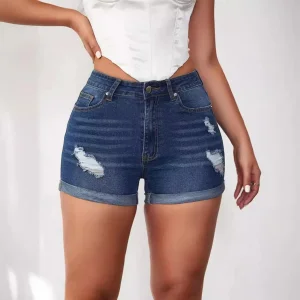
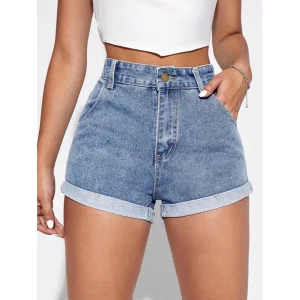
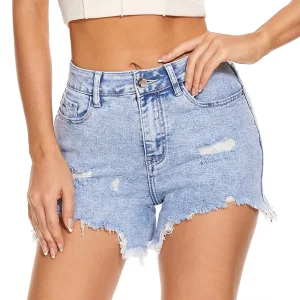
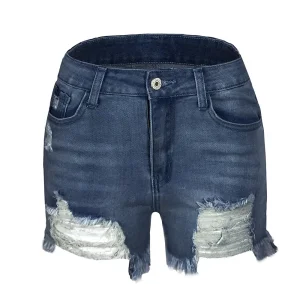
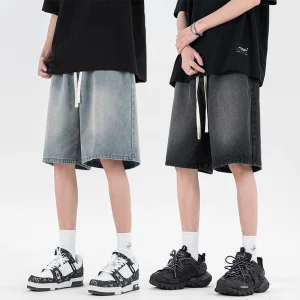
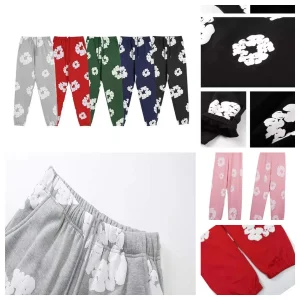
Highly trending silhouettes, heavy-density cotton-rich denim, and custom distressed configurations designed for Seoul's boutique retailers and major online marketplaces.
Decoding the technical requirements, quality expectation thresholds, and import frameworks of Korea's premium apparel market.
The South Korean fashion ecosystem represents one of the most dynamic, fast-evolving markets in the global apparel landscape. Driven by the "K-Fashion" movement, prominent local platforms like Musinsa, 29CM, and W Concept, along with physical retail hubs in Dongdaemun and Hongdae, demand a unique blend of high production speed, distinct vintage and heavy industrial washes, and meticulous garment construction. Denim shorts are no longer considered basic leisurewear; they are structural fashion statements featuring complex embroidery, distress details, and eco-friendly washes.
For B2B buyers, distributors, and fashion houses importing into Korea, navigating this landscape requires partnerships with manufacturing facilities that hold advanced technical capabilities. The integration of RCEP (Regional Comprehensive Economic Partnership) tariff benefits between China and South Korea allows for highly cost-efficient duty-free or reduced-tariff import flows, provided the manufacturer is certified to issue correct Rules of Origin documents. Zhejiang Orap Clothing Co., Ltd. is structurally aligned to fulfill these precise trade and quality demands.
A Leading Industrial Apparel Manufacturer Specializing in Global B2B Supply Chains
Zhejiang Orap Clothing Co., Ltd. is a professional garment manufacturer specializing in apparel design, sample development, production, and global sales. Located in Zhejiang Province, China, we are strategically positioned to utilize one of the world's most robust textile and logistics clusters. This allows us to source high-grade cotton, sustainable blends, and durable hardware, while maintaining proximity to major shipping hubs like Ningbo and Shanghai for seamless transport to Korean ports including Incheon, Busan, and Pyeongtaek.
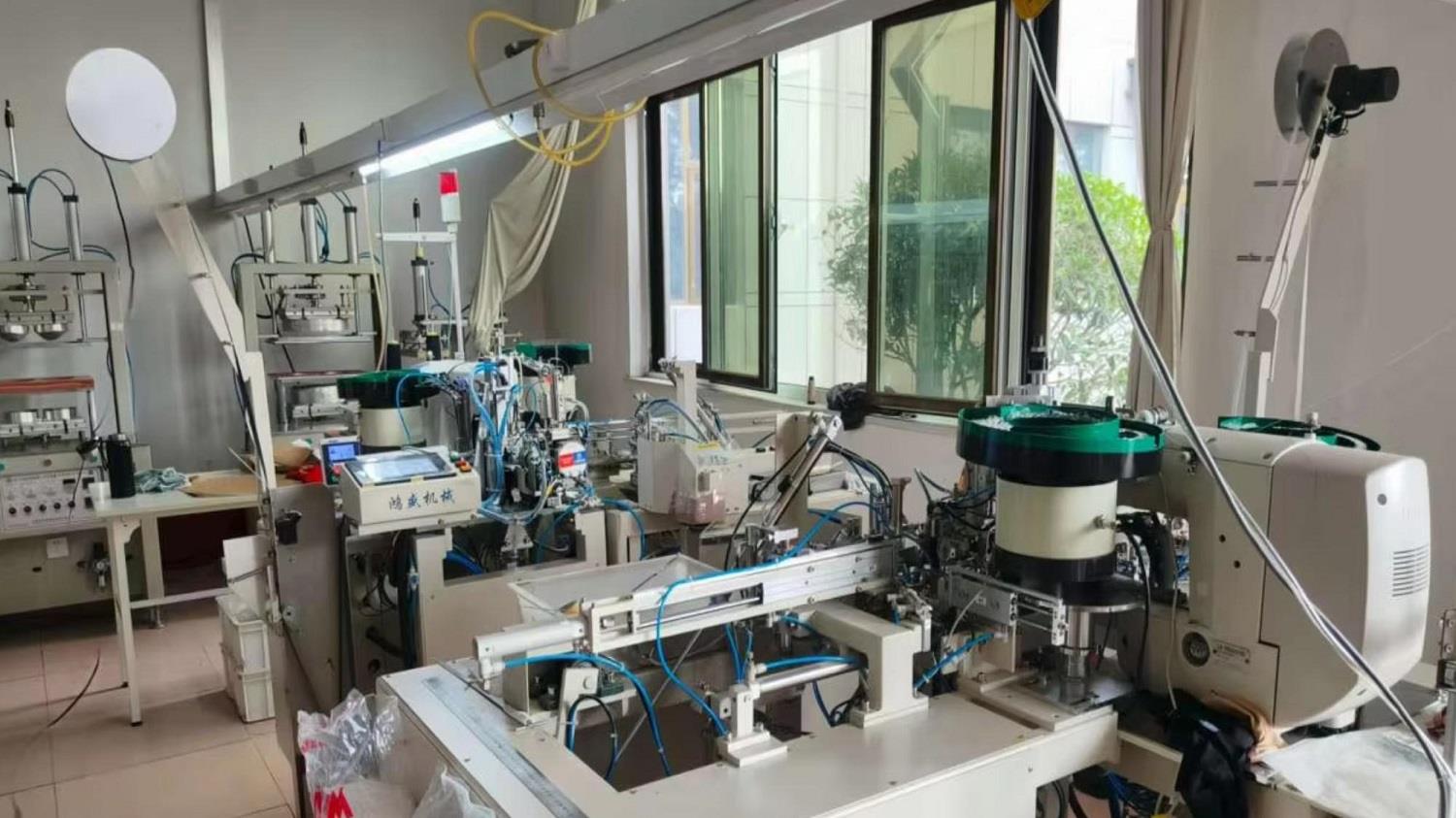
Our advanced manufacturing facility is equipped with automated cutting machinery, fabric spreading equipment, and dedicated post-processing lines. From raw fabric testing to pattern adjustment, sewing, customized button setting, and multi-stage garment washing (including enzyme, stone, and ozone treatments), we oversee the entire workflow internally. This integrated model eliminates the overhead of sourcing agents and gives us direct oversight of production schedules and product quality.
We provide comprehensive OEM and ODM solutions for fashion brands, wholesalers, and major e-commerce brands in South Korea. By combining advanced industrial machinery with a skilled team of apparel engineers, we translate designs into consumer-ready collections that align with the high quality standards expected in the Korean market.
Precise digital layout for distressed details, minimizing raw fiber degradation.
Ozone and enzyme-based washing cycles that reduce water consumption by up to 60%.
Complete documentation and certification support to facilitate duty-free importation.
Inside our manufacturing facility where advanced machinery meets strict quality control protocols.
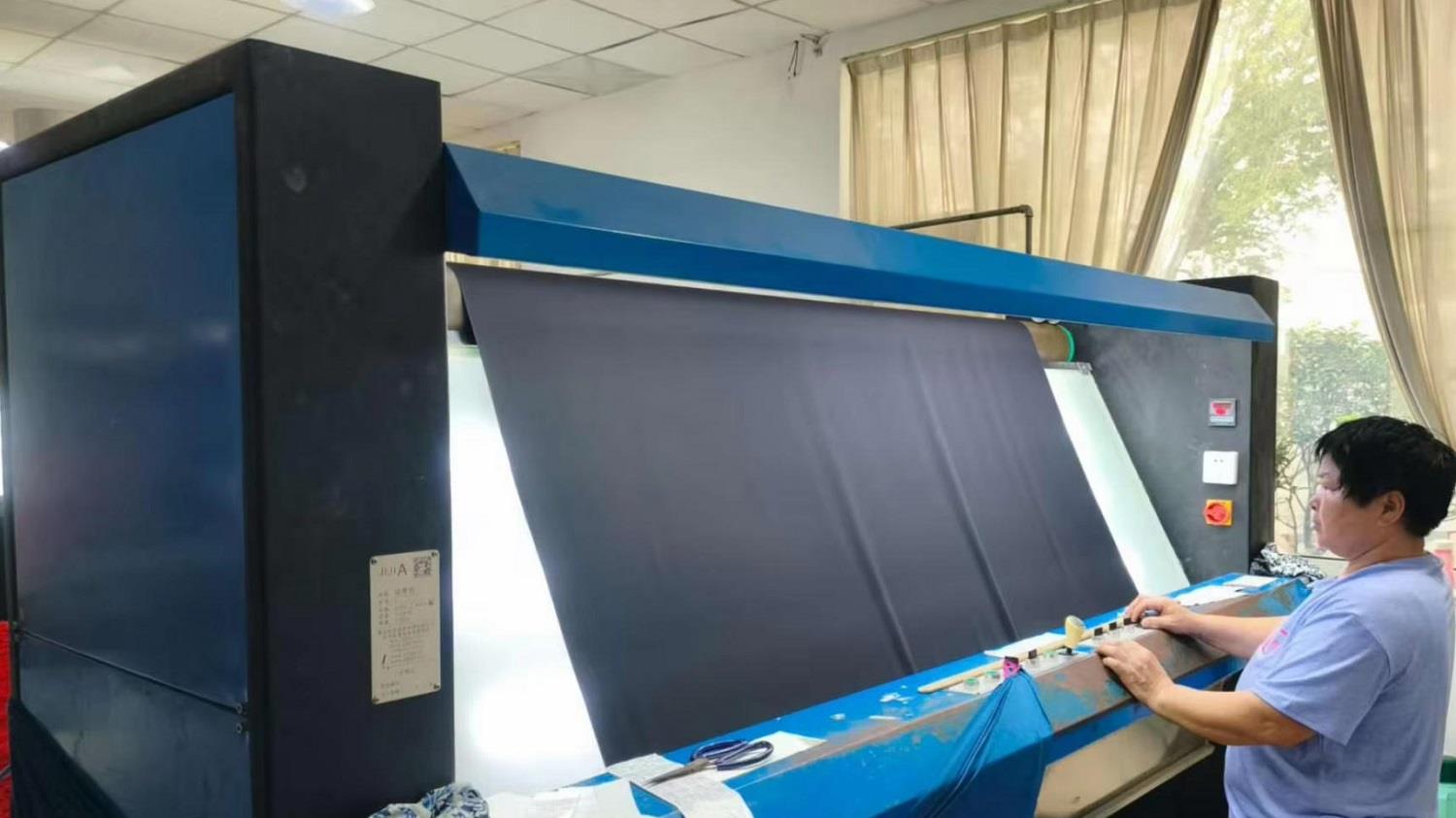
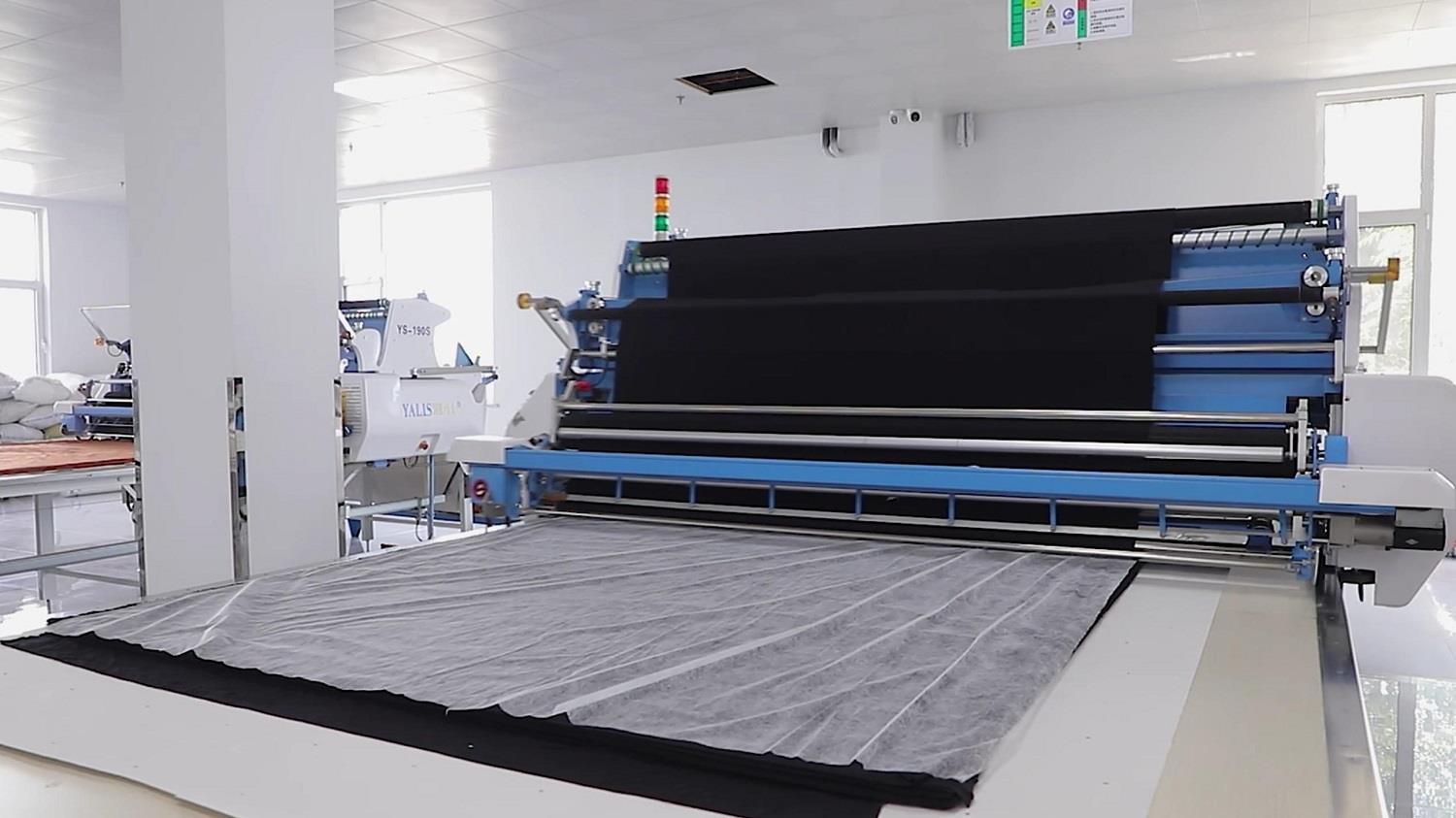
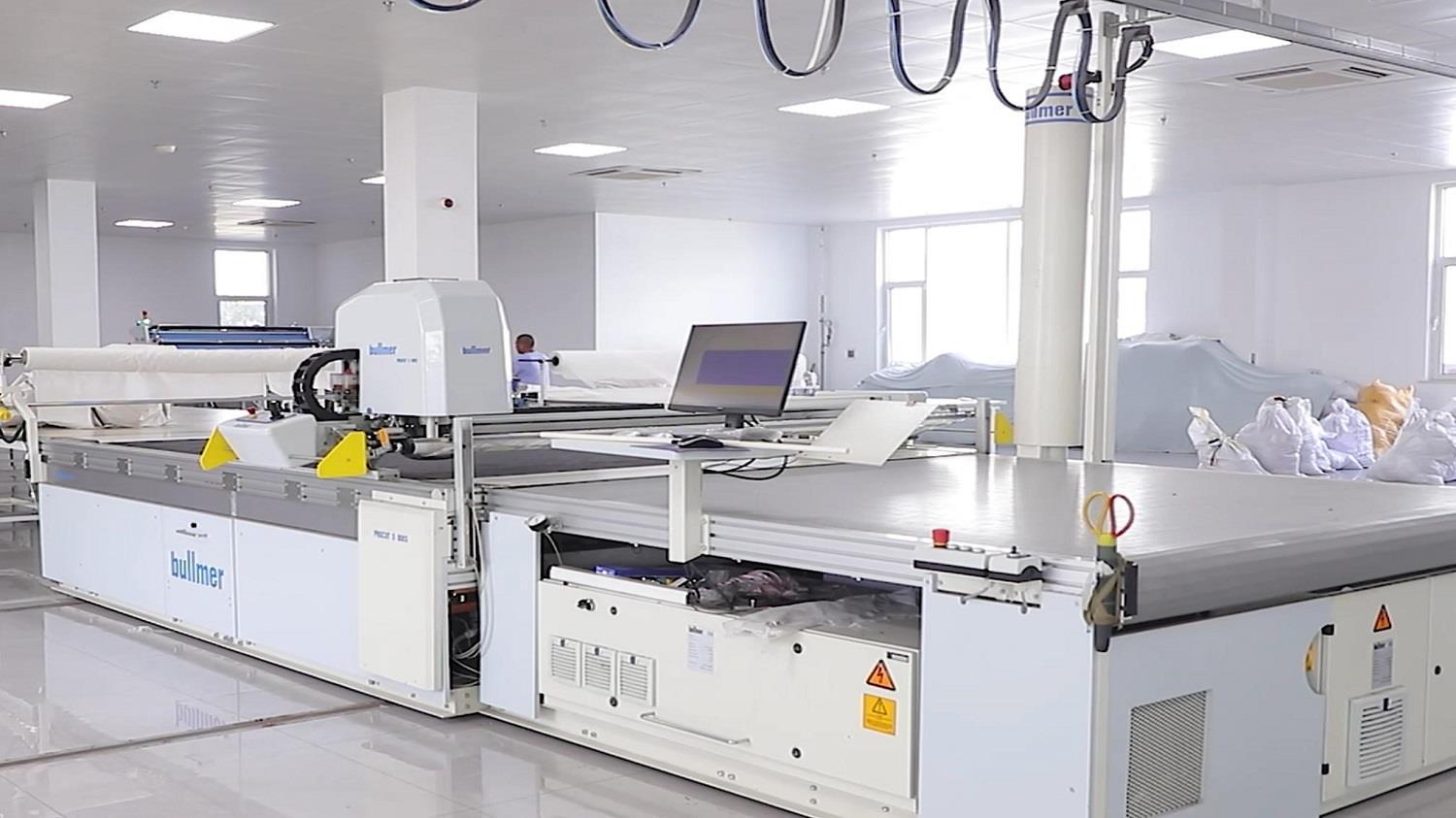
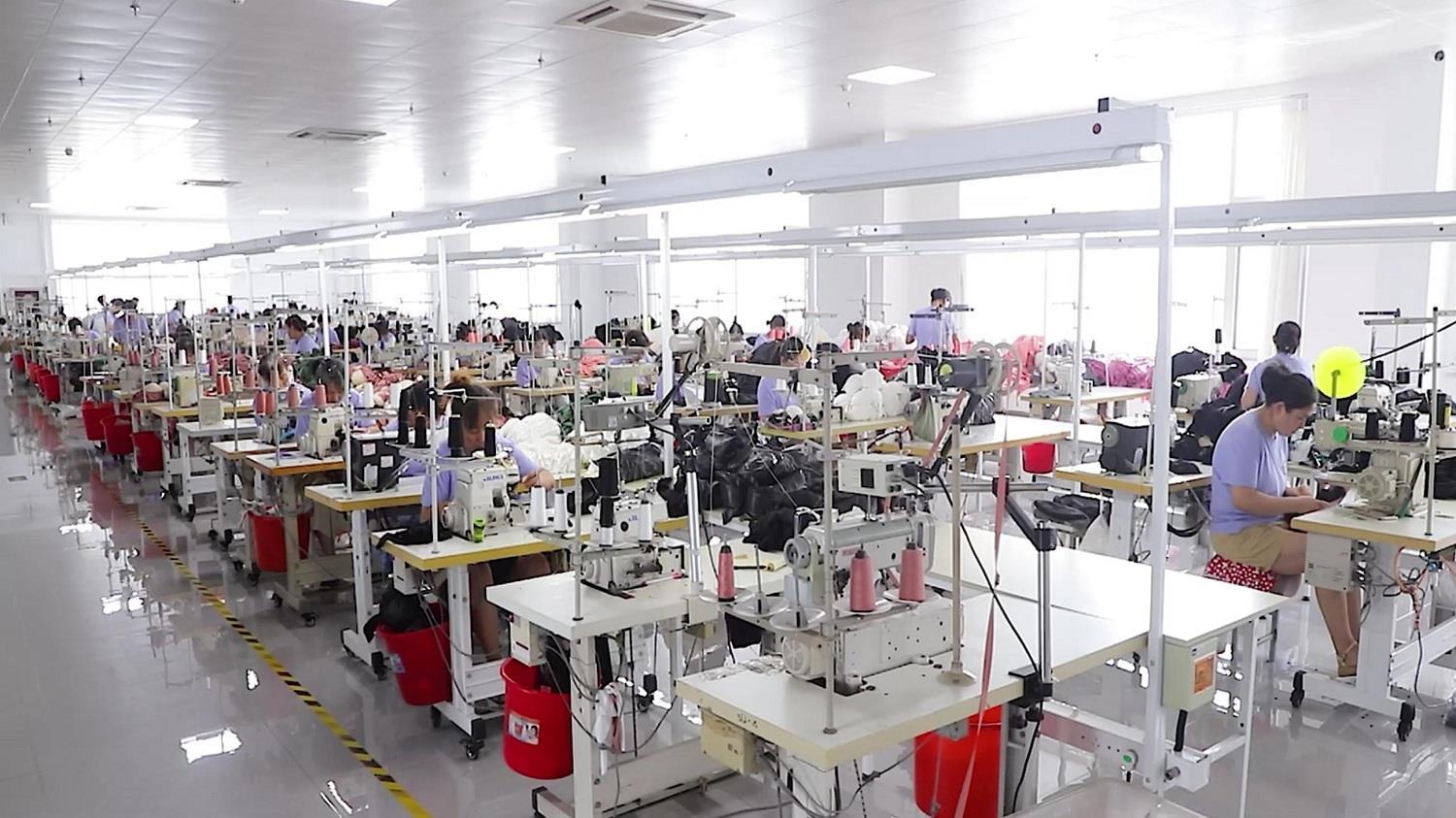
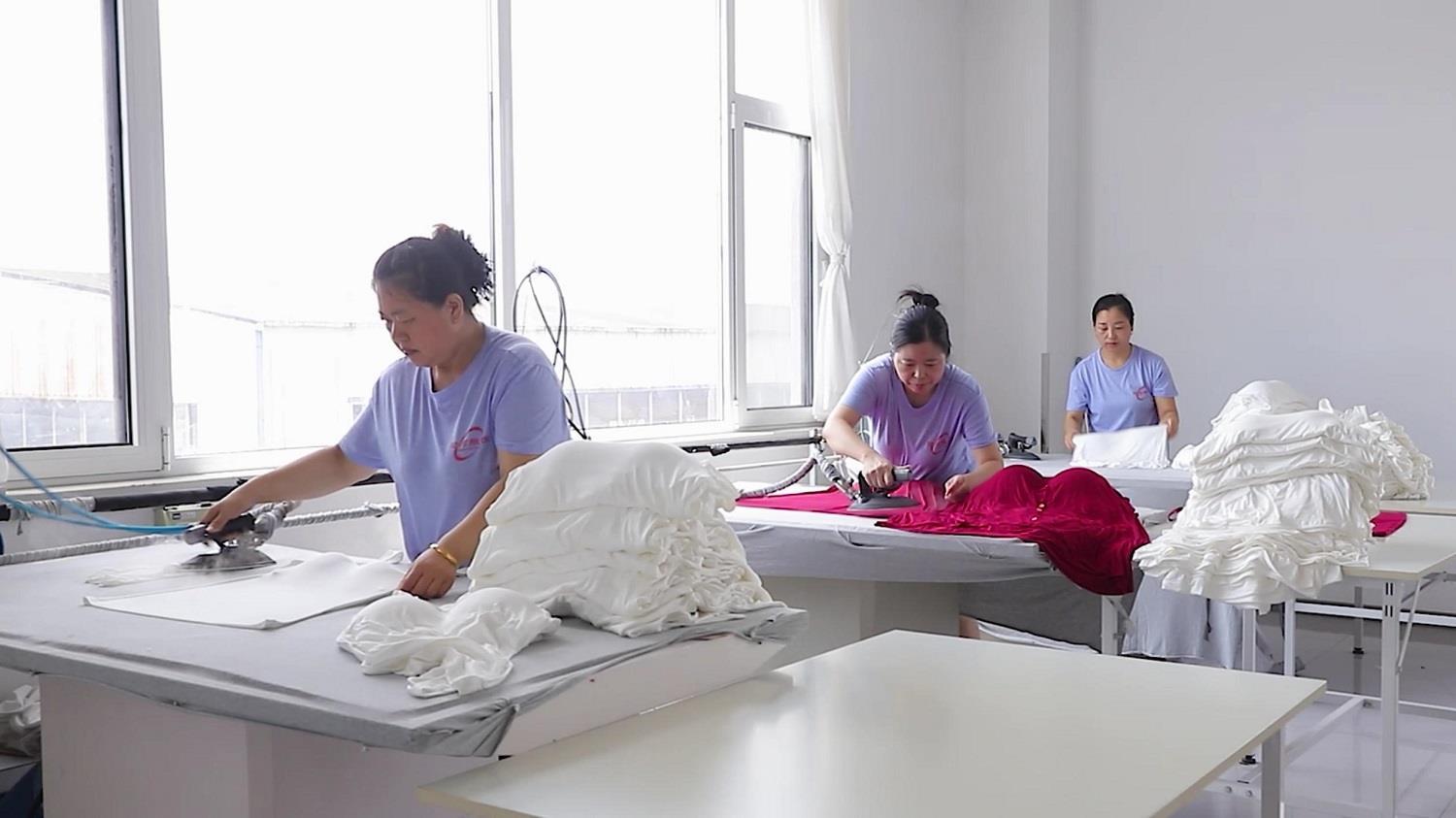
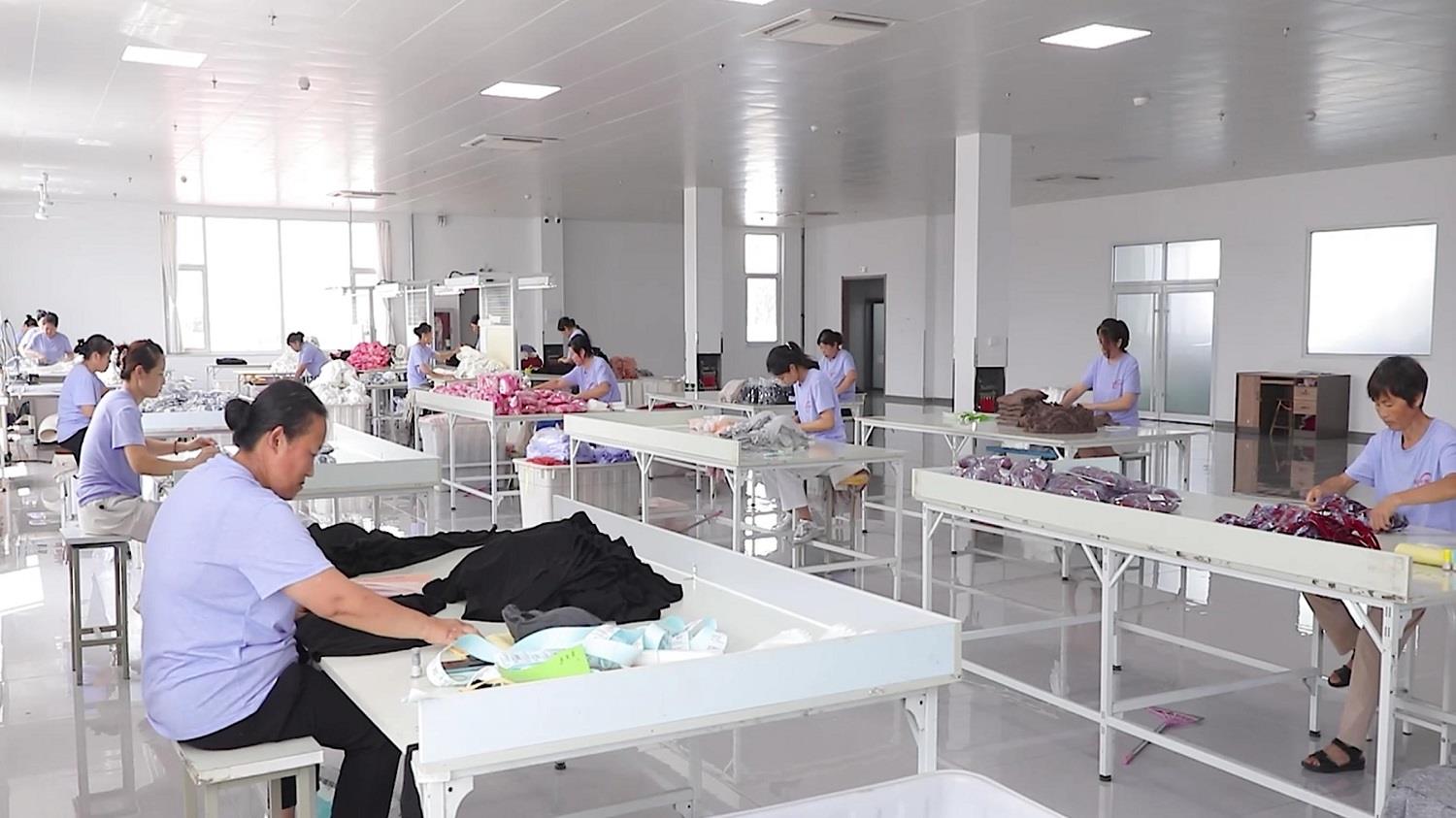
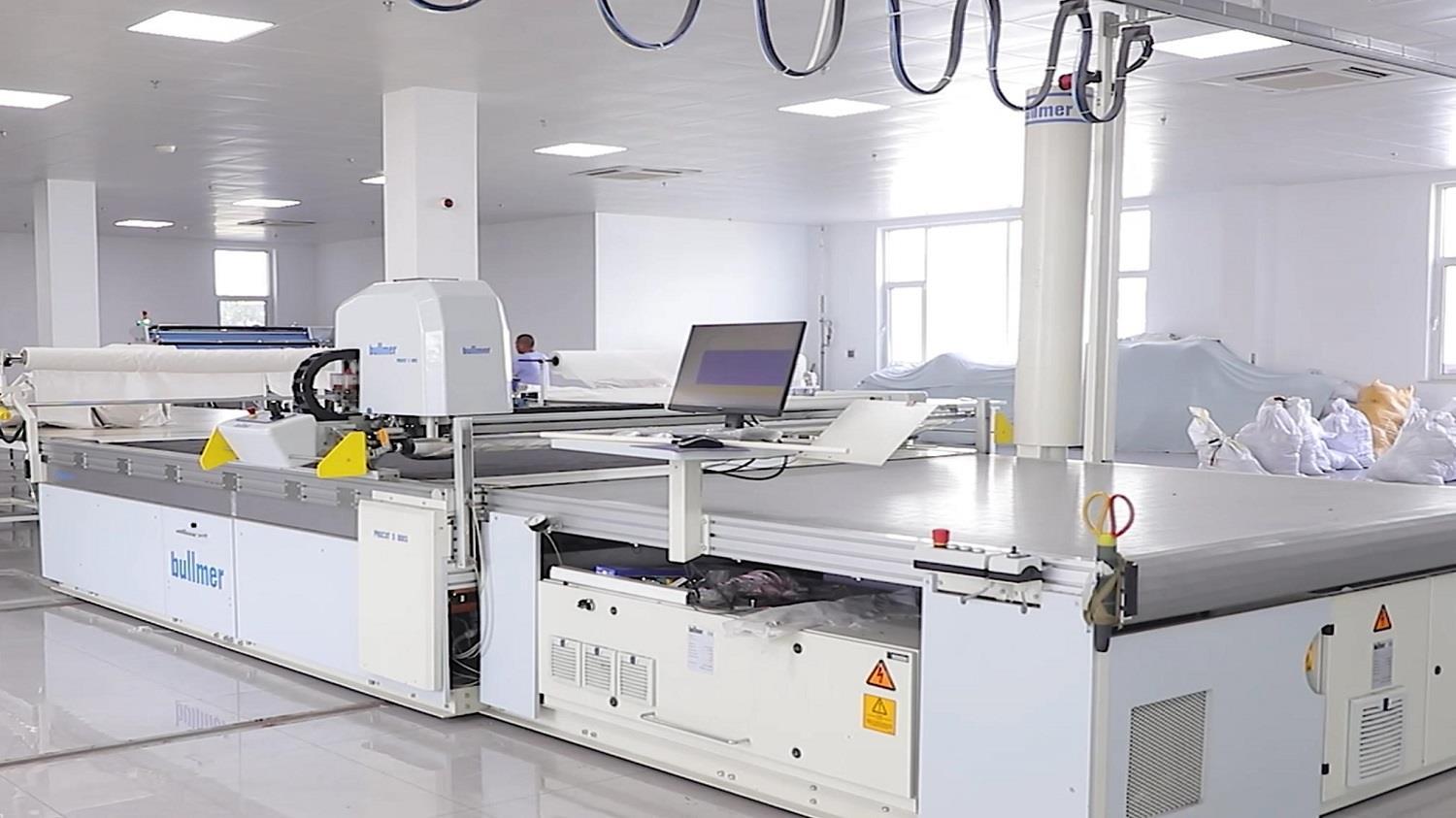
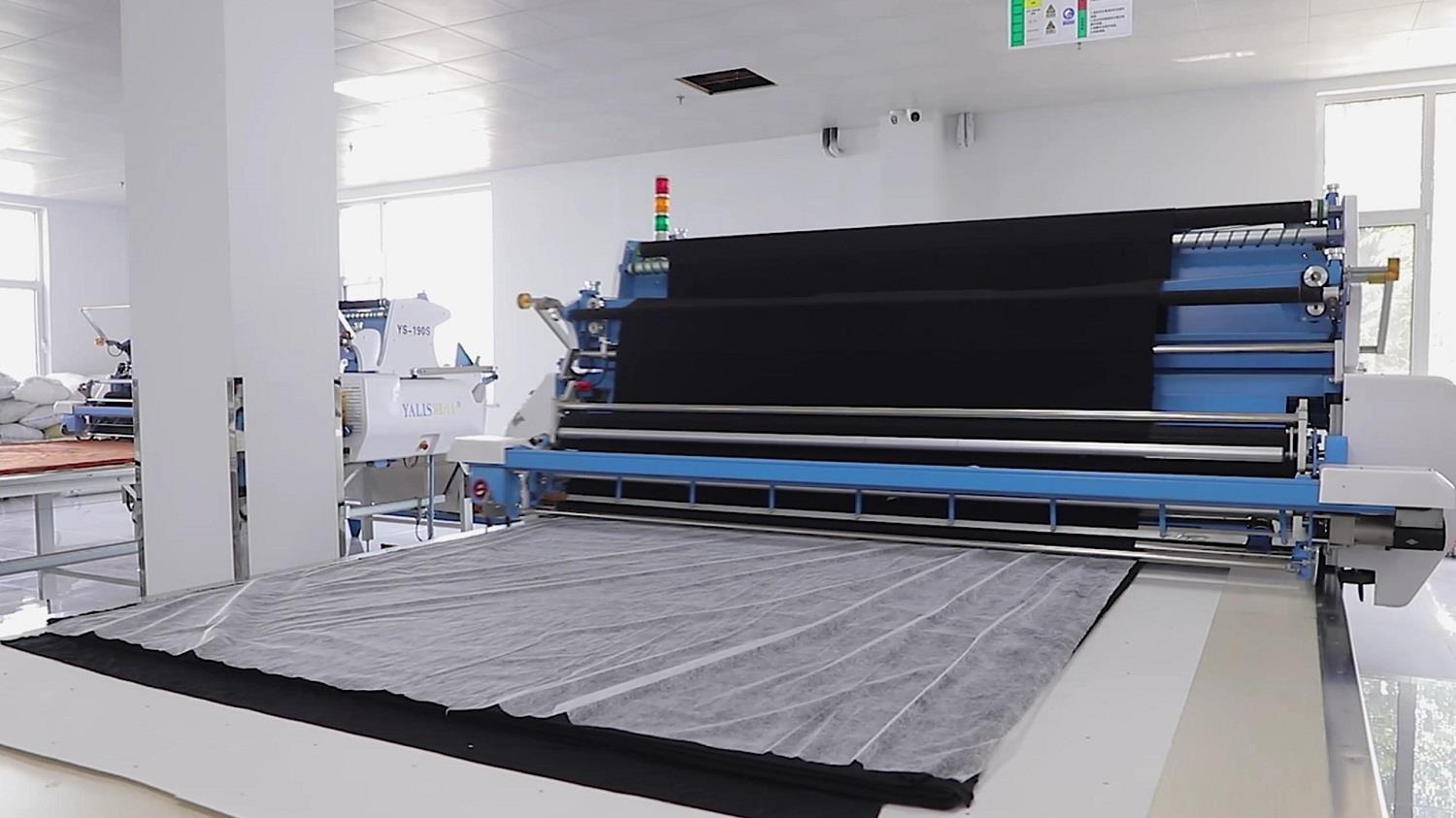
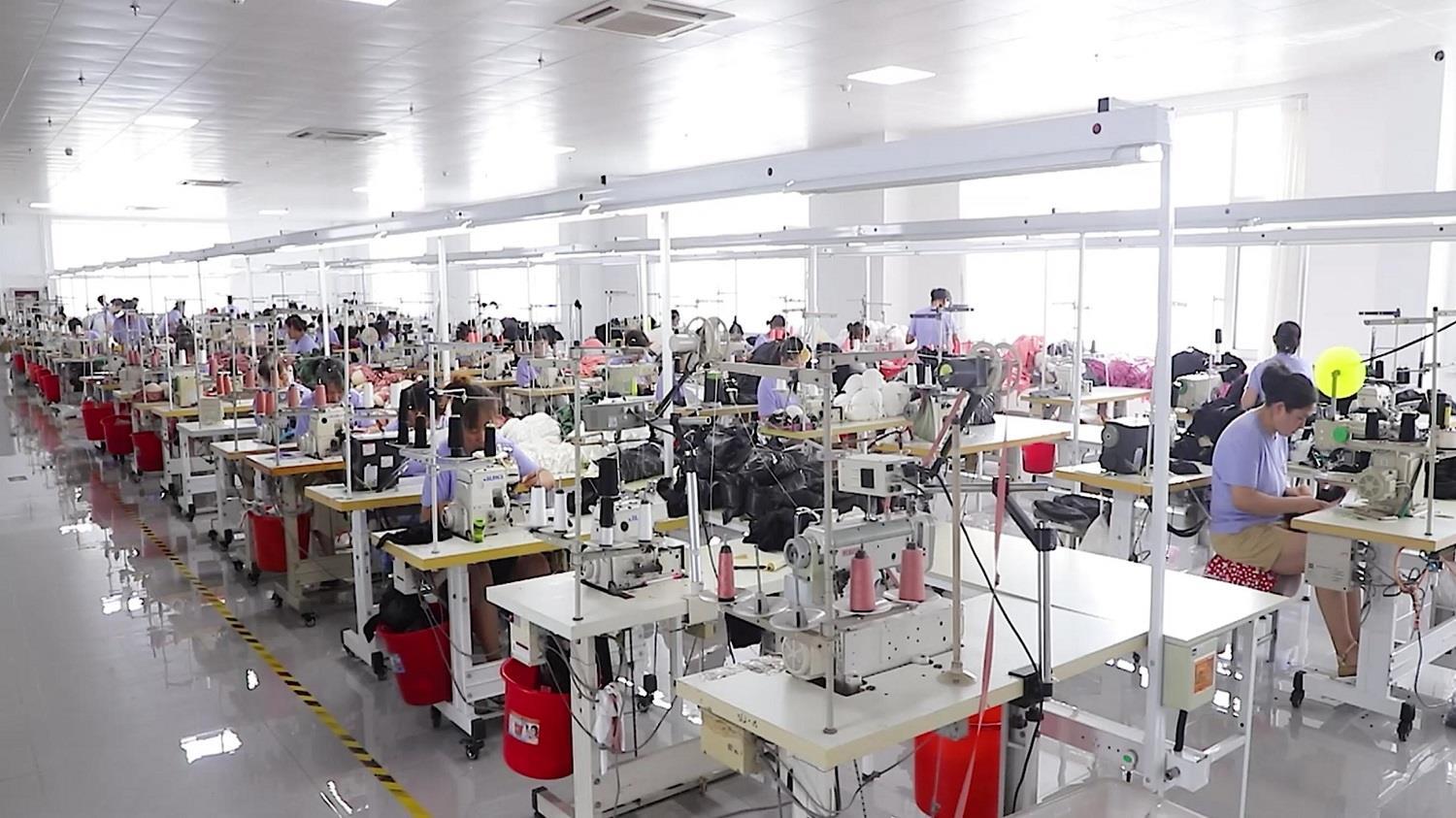
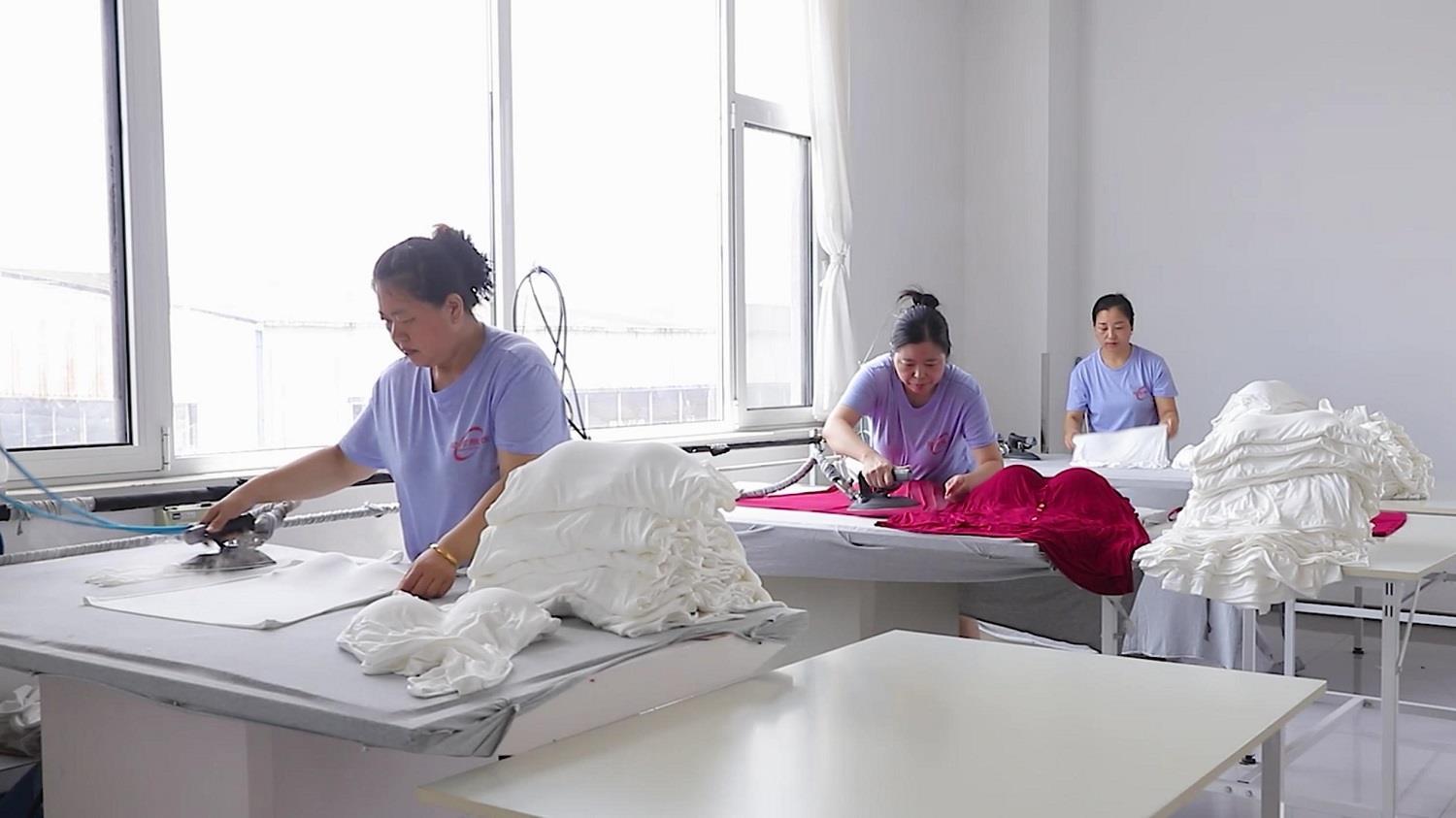
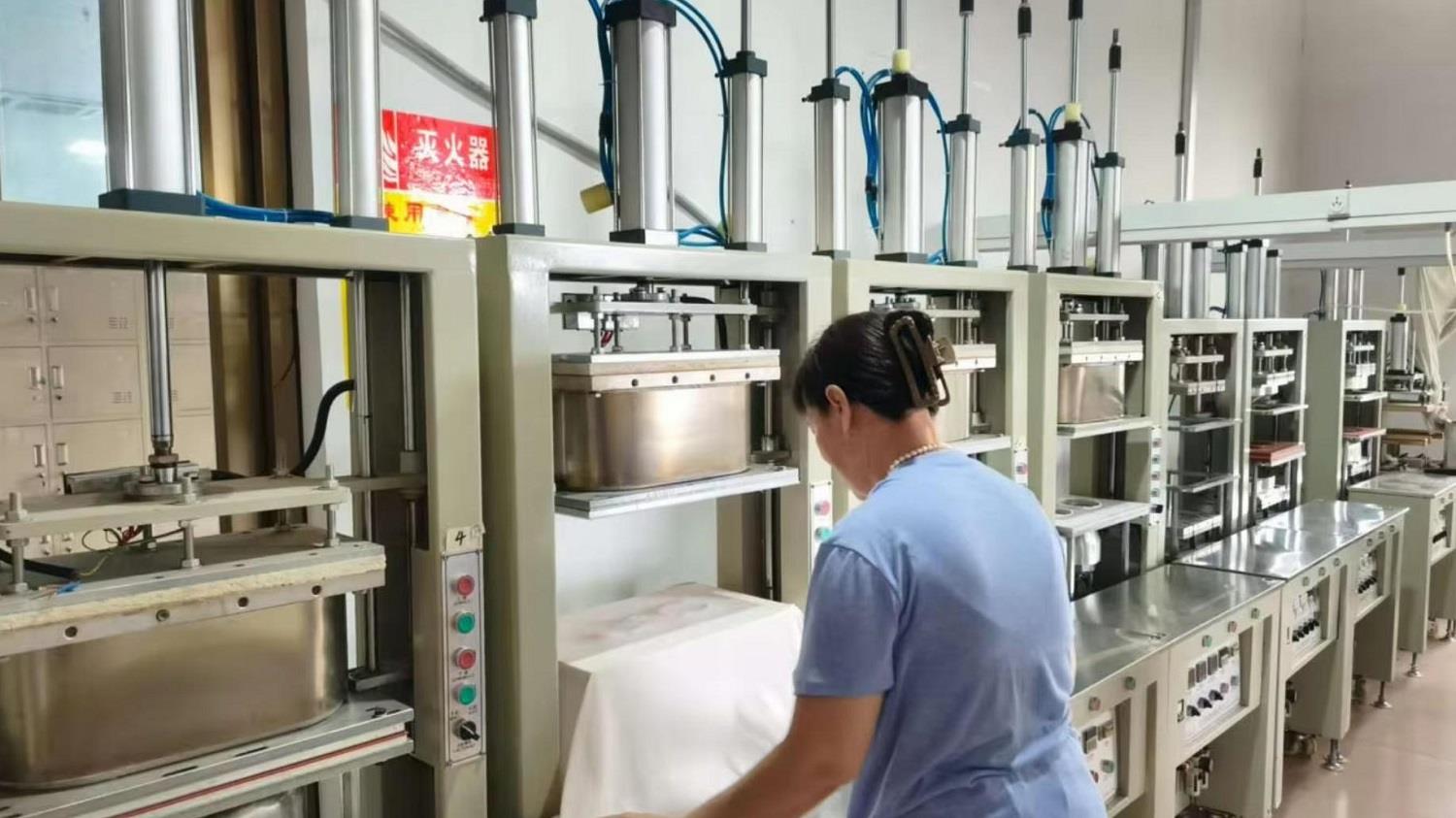
Aligning advanced denim technology with the practical requirements of the East Asian retail landscape.
Standard heavy denim (14oz and above) can feel restrictive during humid Korean summers. Our material science team focuses on developing lightweight denim options (8.5oz to 11.5oz) that retain the structural drape and visual look of heritage heavy-duty jeans. By blending long-staple cotton with moisture-wicking synthetic fibers and natural linen, we produce denim shorts that offer clean structures alongside high breathability.
The contemporary Seoul streetwear scene favors distinct wash patterns, including raw indigo, light bleach, vintage yellow tints, and mineral stone washes. Our facility uses advanced water-recycling washing systems to consistently achieve these dynamic finishes without compromising the integrity of the denim fibers. Our laser etching systems allow us to apply high-density custom whiskers, distressing, and localized wear patterns across entire production runs.
Korean fashion trends often favor specific, structured silhouettes, including oversized streetwear drops, high-waisted cuts, and cargo utility pockets. Our pattern-making team adjusts traditional sizing charts to create fits tailored to the East Asian market, ensuring high comfort and clean lines.
Explore our technical design variations, featuring streetwear graphics, relaxed fits, and utility pocket configurations.
Streamlining supply chain operations from our manufacturing facility in Zhejiang directly to Korean ports.
Timely product delivery is critical in fast-fashion and retail markets. Leveraging our proximity to the Ningbo-Zhoushan port and Shanghai port, Zhejiang Orap provides efficient logistics solutions to key South Korean entry ports, including Incheon, Busan, and Gwangyang. Sea freight transit times typically range from 2 to 5 days, enabling rapid restocks for mid-season collections.
Under the RCEP agreement, Korean apparel importers can benefit from reduced customs tariffs. Our export documentation team prepares custom commercial invoices, packing lists, and RCEP Certificates of Origin. This structure helps minimize import tariffs, improving margins for our B2B partners.
Our quality control processes ensure that all materials used—from main fabrics to zippers, buttons, and leather patches—comply with South Korea's Safety Standards Act for textile products, including strict limits on lead, cadmium, and free formaldehyde.
Direct factory catalog featuring raw denim, casual washed styles, high-waisted designs, and distressed finishes for global distribution.
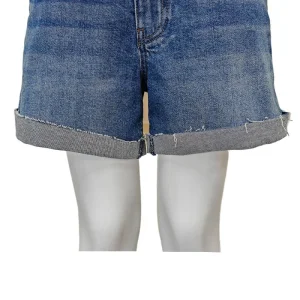
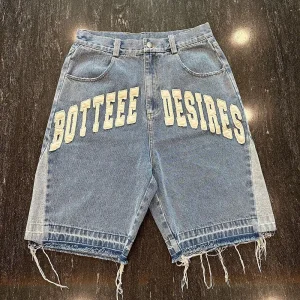
Frequently asked questions regarding manufacturing capacity, customization, logistics, and compliance for South Korean imports.
 Orap Clothing