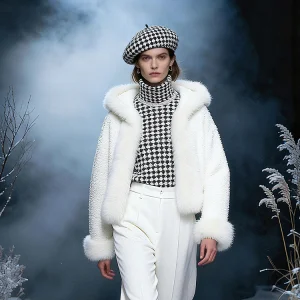
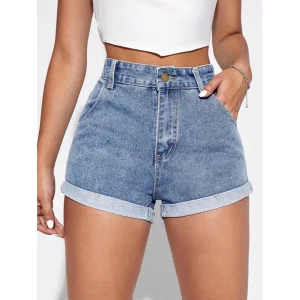
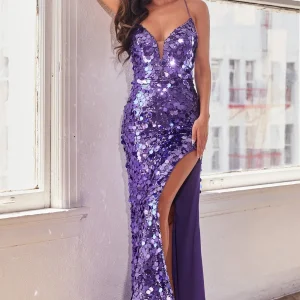
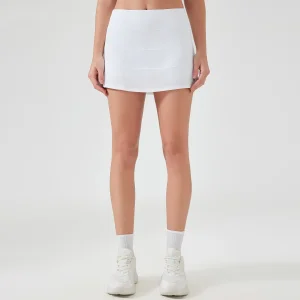
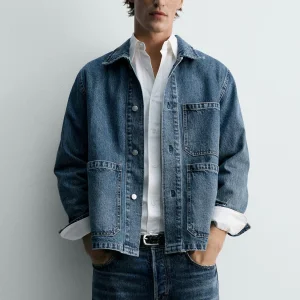
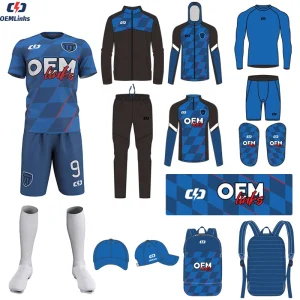
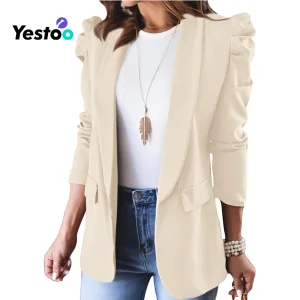
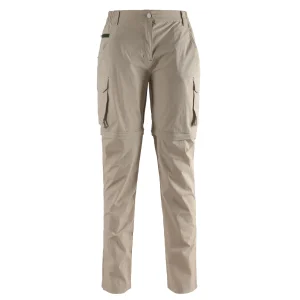
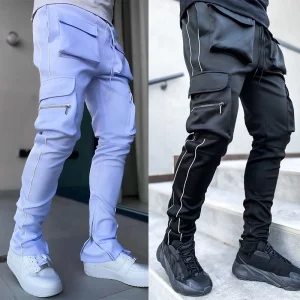
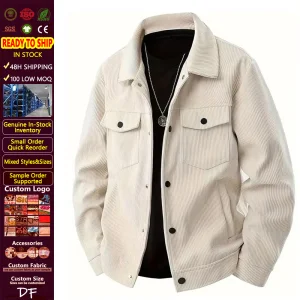
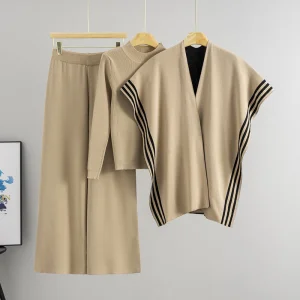
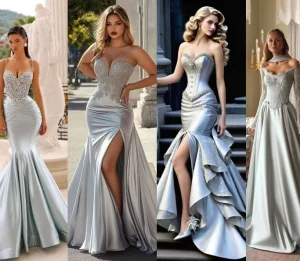
Explore a collection of our manufactured garments, reflecting strict construction tolerances and high-quality finishes
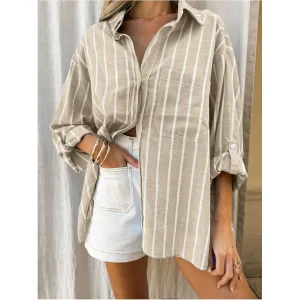
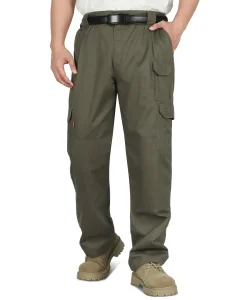
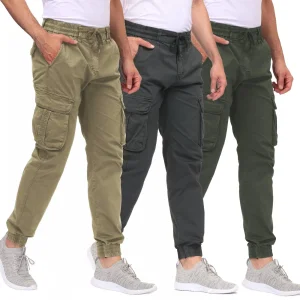
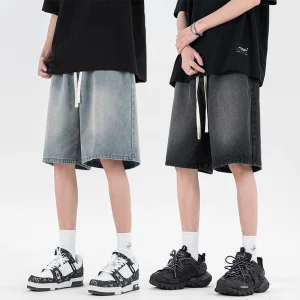
Analyzing key shifts in textiles, sustainable practices, and technology driving the formalwear market
The global evening gown and formalwear market is experiencing a profound transition from resource-heavy fabrics to engineered, high-performance, and sustainable alternatives. High-end brands are requesting materials that offer structural rigidity (for corsetry and draping) while maintaining minimal weight. Manufacturers must provide advanced material sourcing, including regenerated cellulose fibers, GOTS-certified organic silk, and recycled polyester blends that match the visual and tactile characteristics of virgin silk taffeta and duchesse satin. Achieving high luster, precise drape coefficients, and color fastness under artificial light has become a key competitive indicator.
B2B supply chain managers face pressure to compress the sample development cycle. The utilization of 3D apparel CAD engines (such as CLO 3D or Browzwear) has shifted from an optional design process to a production standard. By importing digital fabric parameters (mass, thickness, stretch resistance, bending stiffness), manufacturers can simulate complex draping, ruching, and godet structures accurately. This virtual workflow reduces prototype physical rounds by up to 75%, allowing brand purchasers to verify sizing and silhouette balances before textile cutting begins.
Regulatory frameworks in major markets (such as the EU's Corporate Sustainability Due Diligence Directive - CSDDD) require brands to document every node in their production ecosystem. The formalwear manufacturing industry is adapting by using blockchain-enabled tracking tags and sourcing fabrics from mills with OEKO-TEX Standard 100 certification. Social audits like BSCI and WRAP ensure that hand-beading, embroidery, and finishing work are completed in facilities that meet strict labor standards.
For high-volume retail buyers, luxury boutiques, and global fashion conglomerates, evening gown manufacturing presents distinct operational hurdles. Unlike casual apparel, a single evening gown can involve multiple fabric weights, custom hand-placed embellishments, structural inner stays, and delicate closure assemblies.
Key procurement issues we address systematically include:
A trusted partner for professional garment manufacturing, design development, and global logistics
Zhejiang Orap Clothing Co., Ltd. is a professional garment manufacturer specializing in apparel design, sample development, production, and global sales. Located in the industrial clothing hub of Zhejiang Province, China, we are committed to providing high-quality clothing solutions for customers worldwide. Since our establishment, we have built a strong reputation for reliable manufacturing, competitive pricing, and excellent customer service.
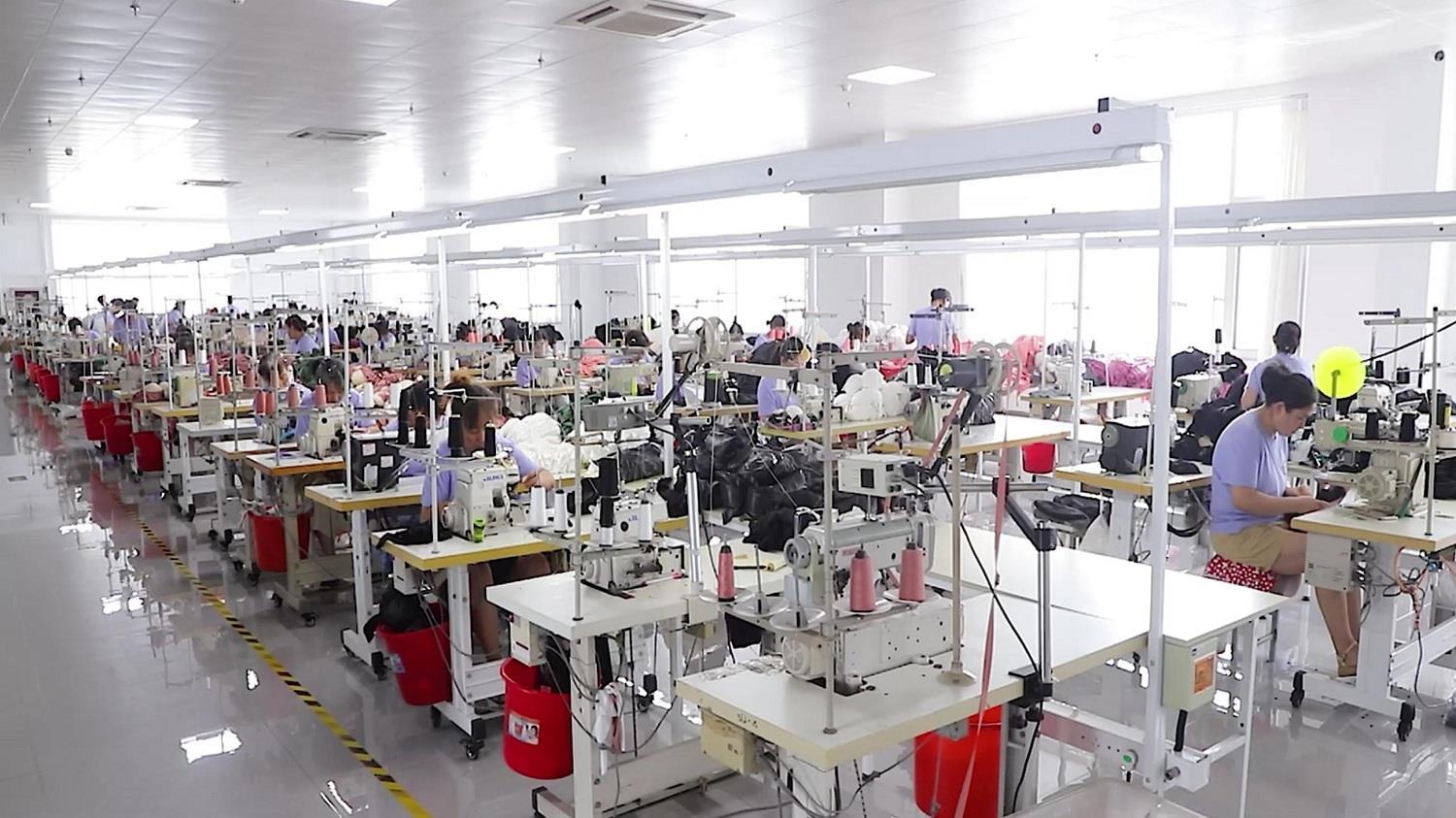
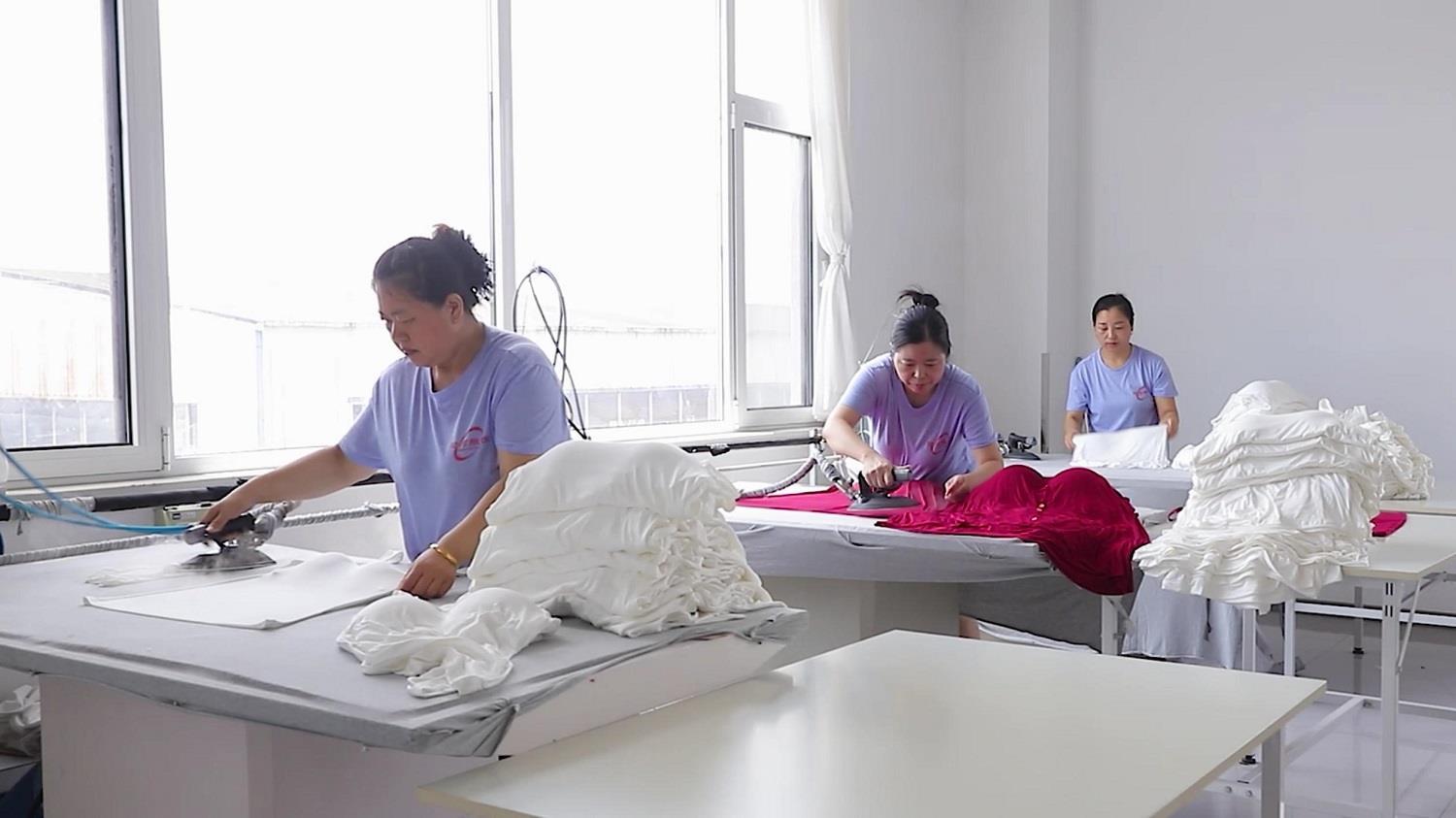
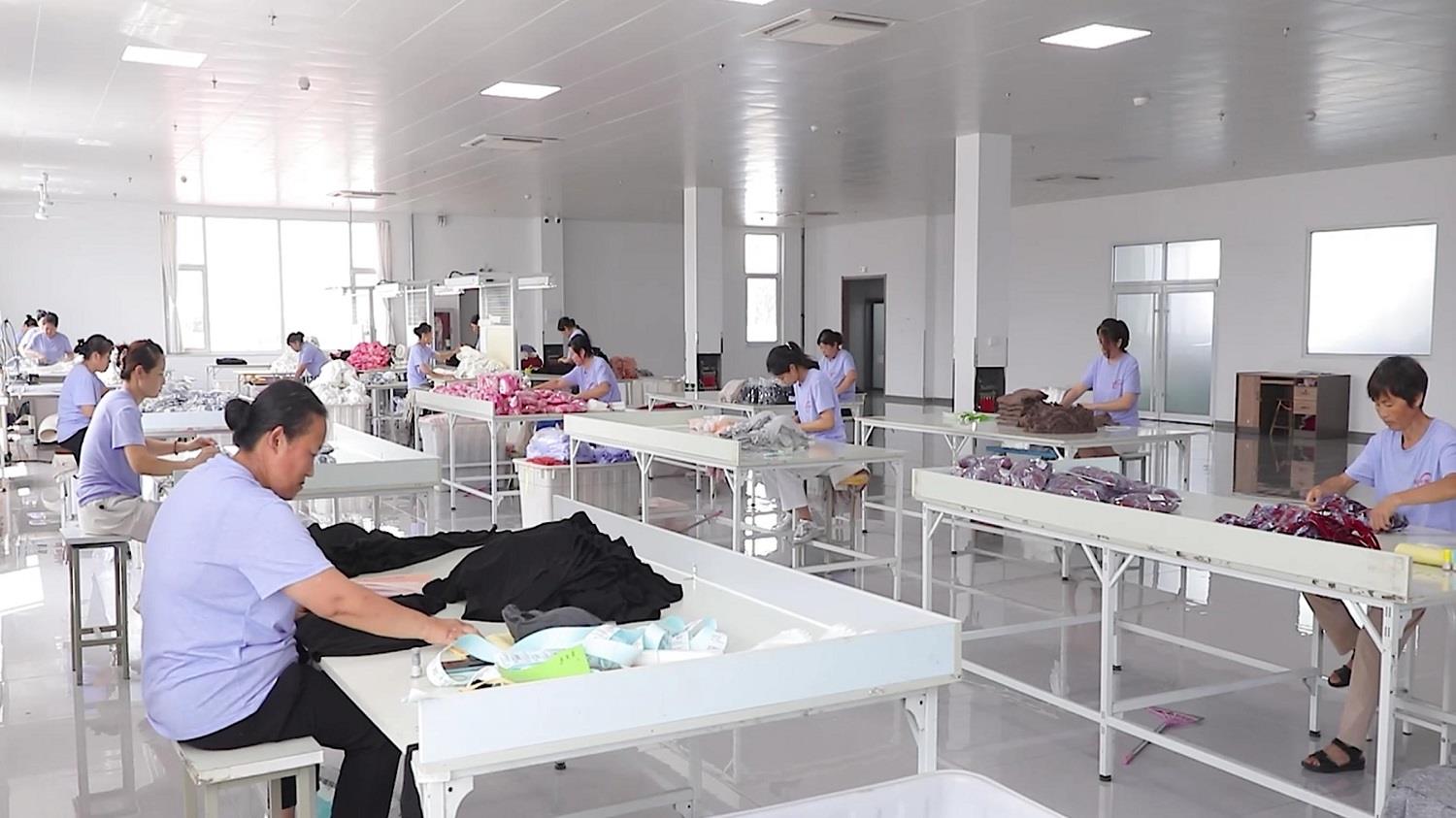
Our factory is equipped with advanced production equipment, including high-speed lockstitch sewing machines, overlock machines, double-needle sewing machines, buttonhole machines, button attaching machines, bartack machines, cutting tables, steam pressing equipment, and other specialized garment manufacturing facilities. These modern production lines enable us to efficiently handle a wide range of apparel categories while maintaining strict quality standards throughout every stage of production.
With an experienced team of designers, technicians, and skilled workers, Zhejiang Orap Clothing Co., Ltd. offers comprehensive OEM and ODM services. We work closely with fashion brands, wholesalers, retailers, and e-commerce businesses to transform ideas into high-quality finished products. From fabric sourcing and pattern making to sampling, bulk production, quality inspection, packaging, and shipment, we provide one-stop apparel manufacturing solutions.
Our main product range includes casual wear, sportswear, hoodies, sweatshirts, T-shirts, jackets, pants, dresses, uniforms, and other customized garments for men, women, and children. We continuously invest in new technologies, production management, and quality control systems to ensure every product meets international standards and customer expectations.
With a monthly production capacity of more than 100,000 pieces, we are capable of fulfilling both small-batch customization and large-volume orders while ensuring on-time delivery. Every garment undergoes strict quality inspections before shipment, reflecting our commitment to consistency, durability, and customer satisfaction.
Guided by the philosophy of "Quality First, Customer Foremost, Integrity, and Win-Win Cooperation," Zhejiang Orap Clothing Co., Ltd. is dedicated to building long-term partnerships with clients around the world. We continually improve our products, services, and manufacturing capabilities to help our customers succeed in today's competitive apparel market.
A look at the processes and specialized equipment that support our production standards
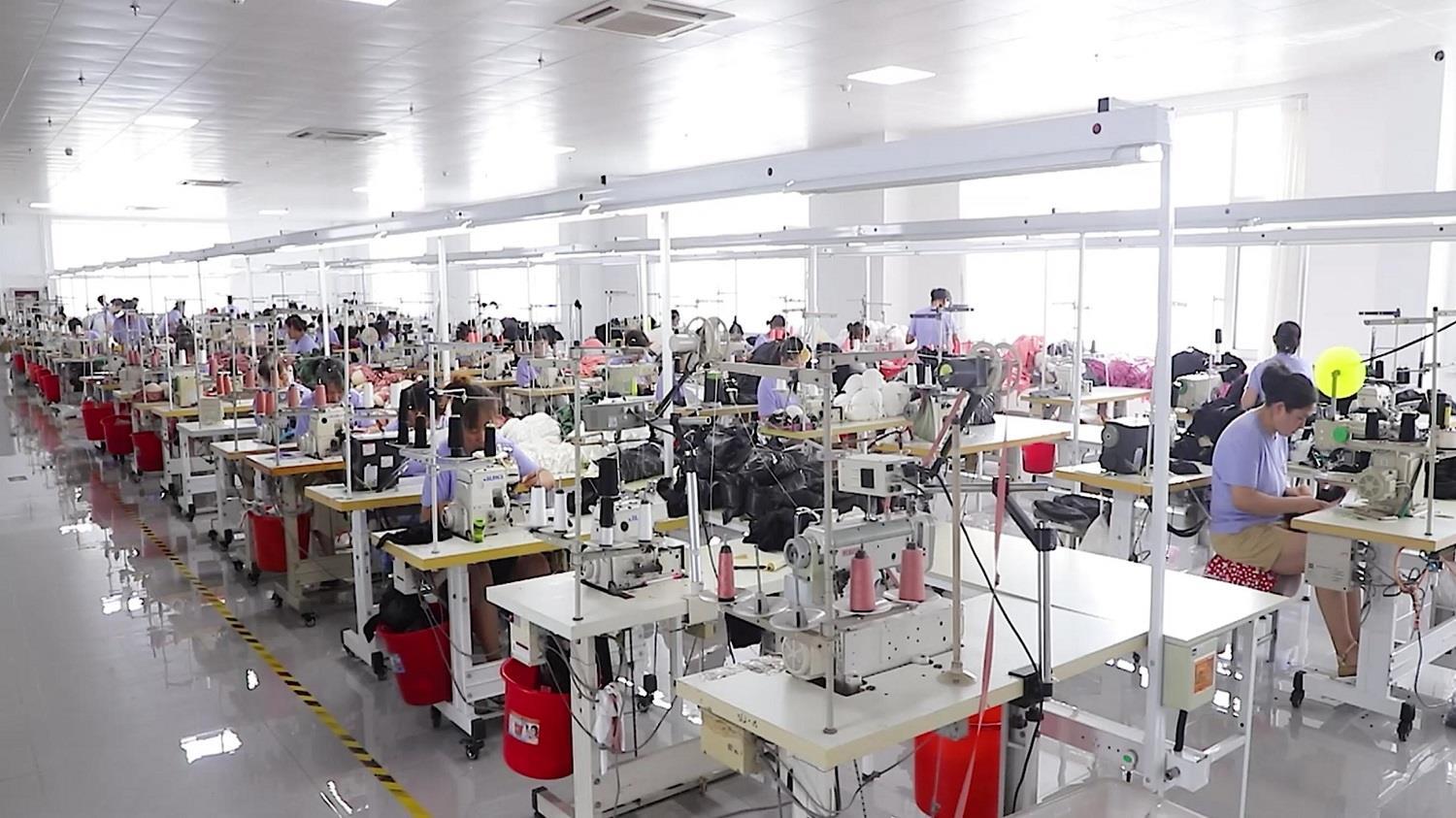
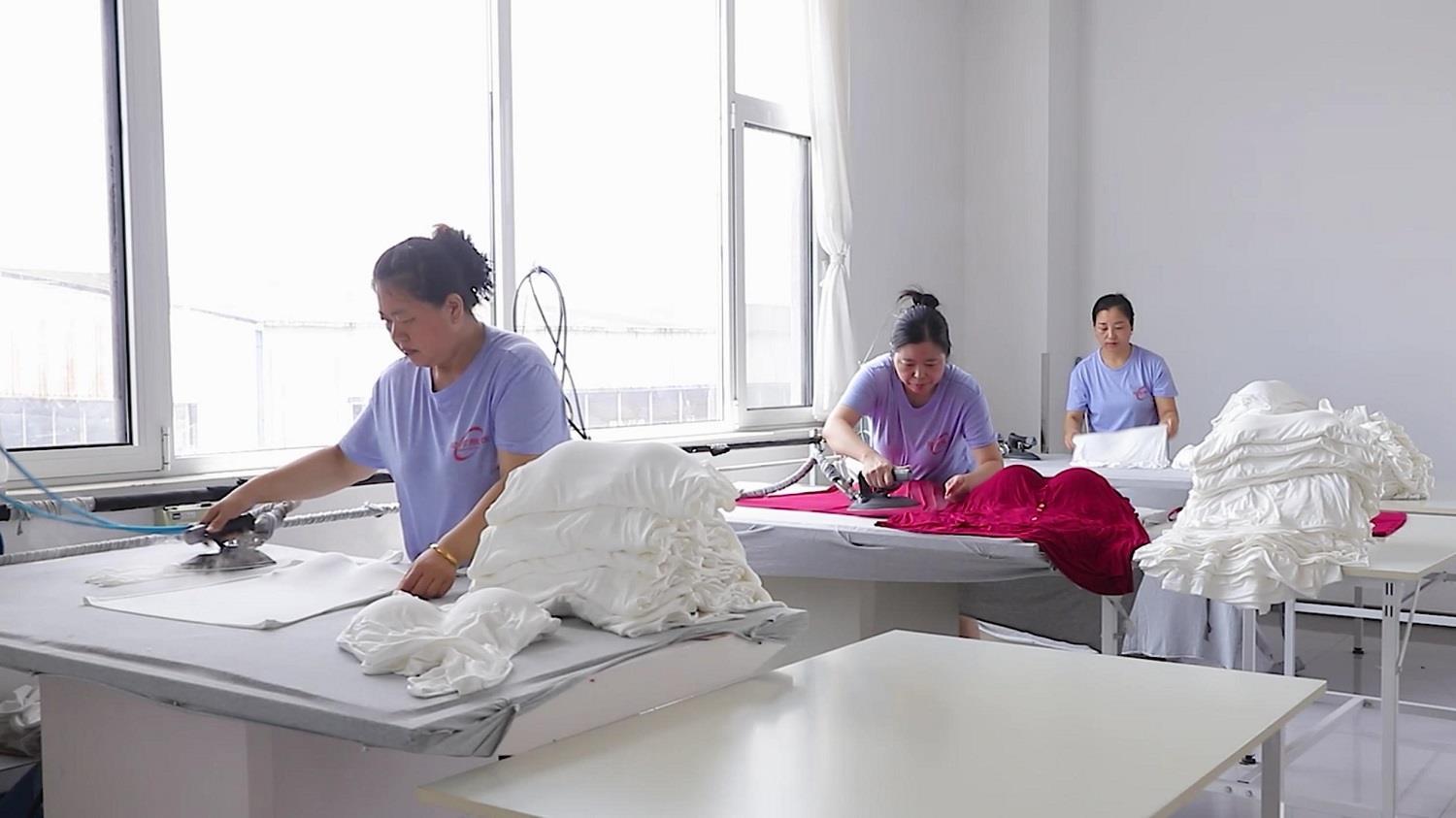
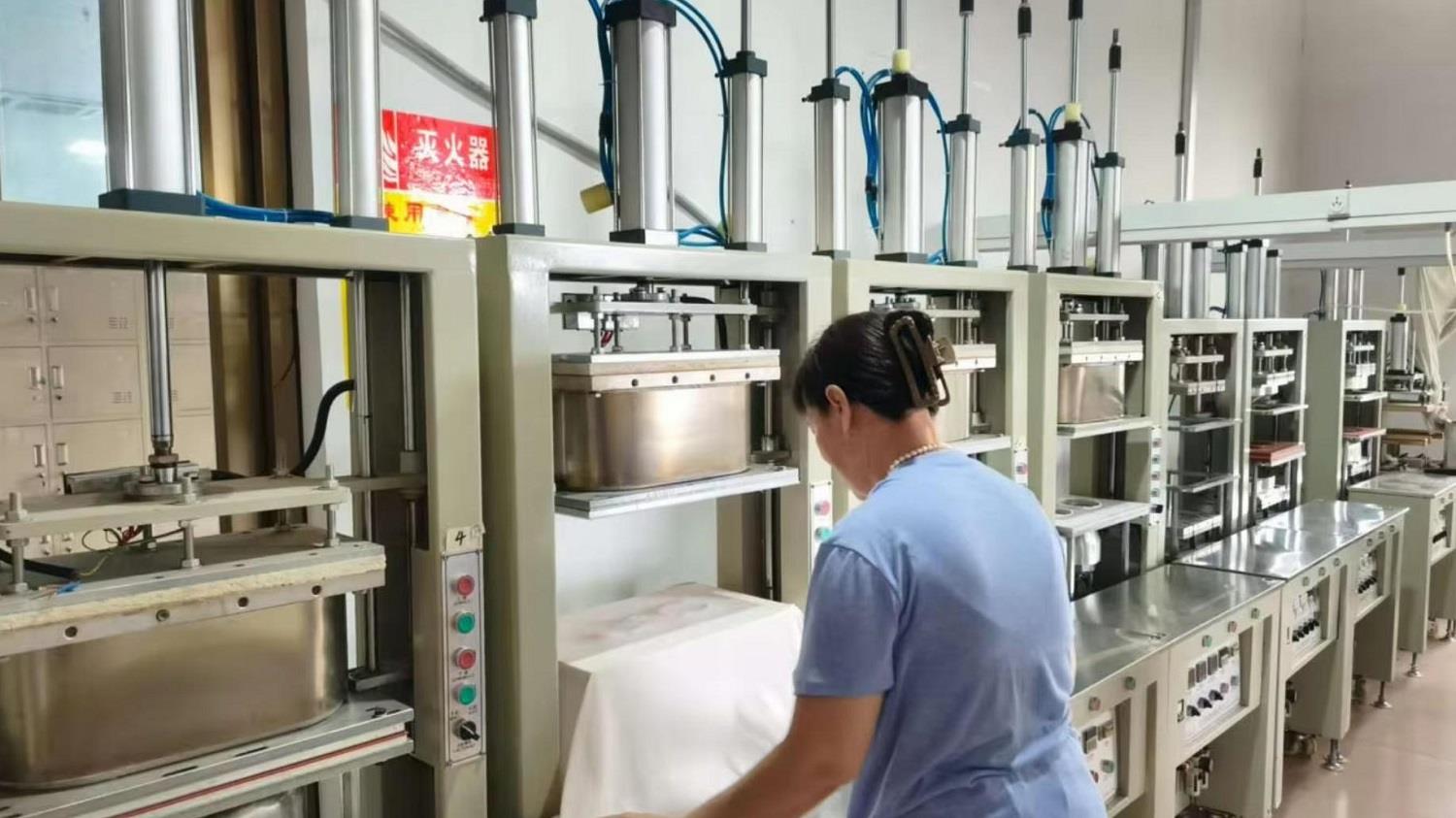
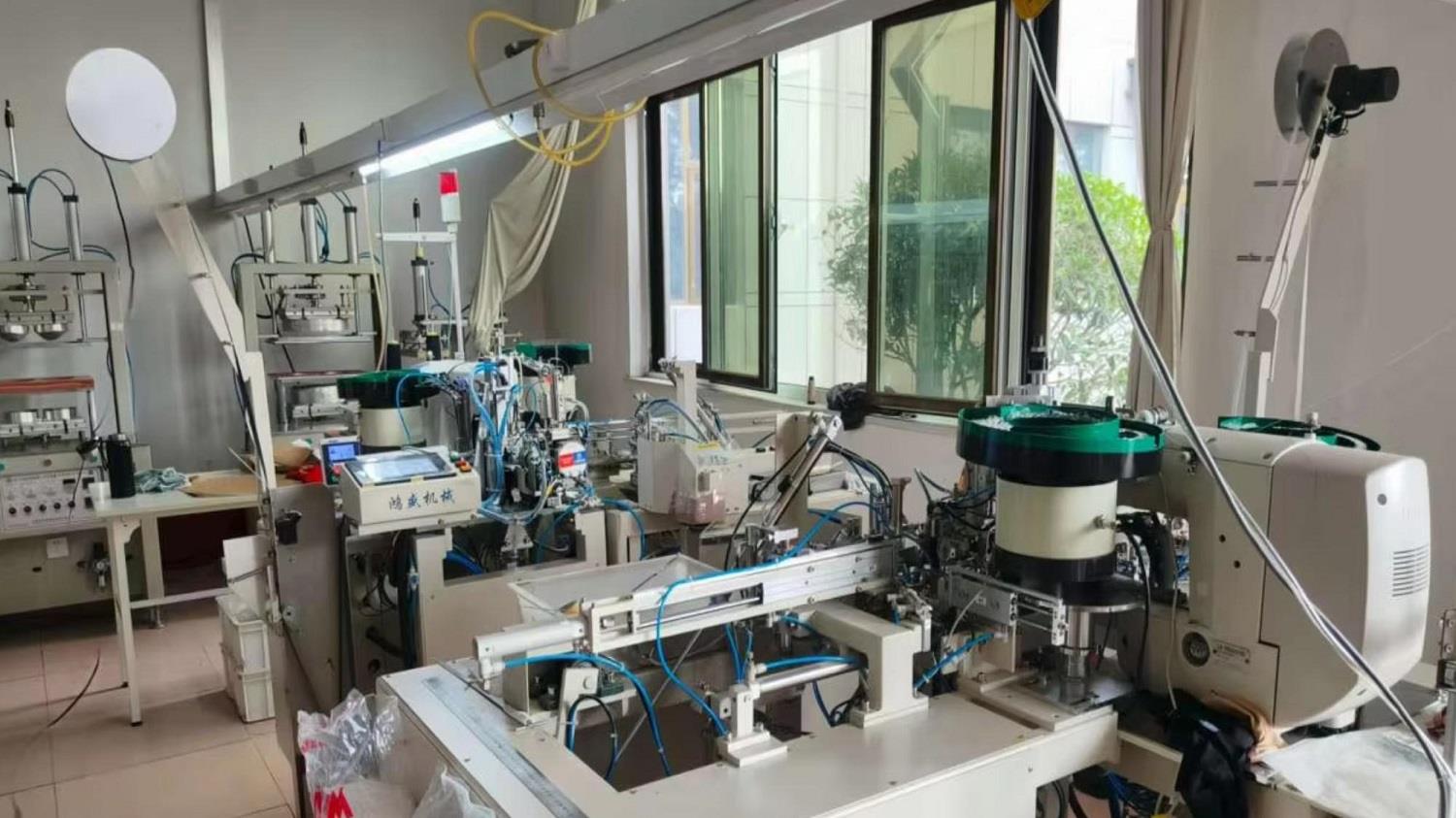
Ensuring compliance, reliability, and high structural standards in every shipment
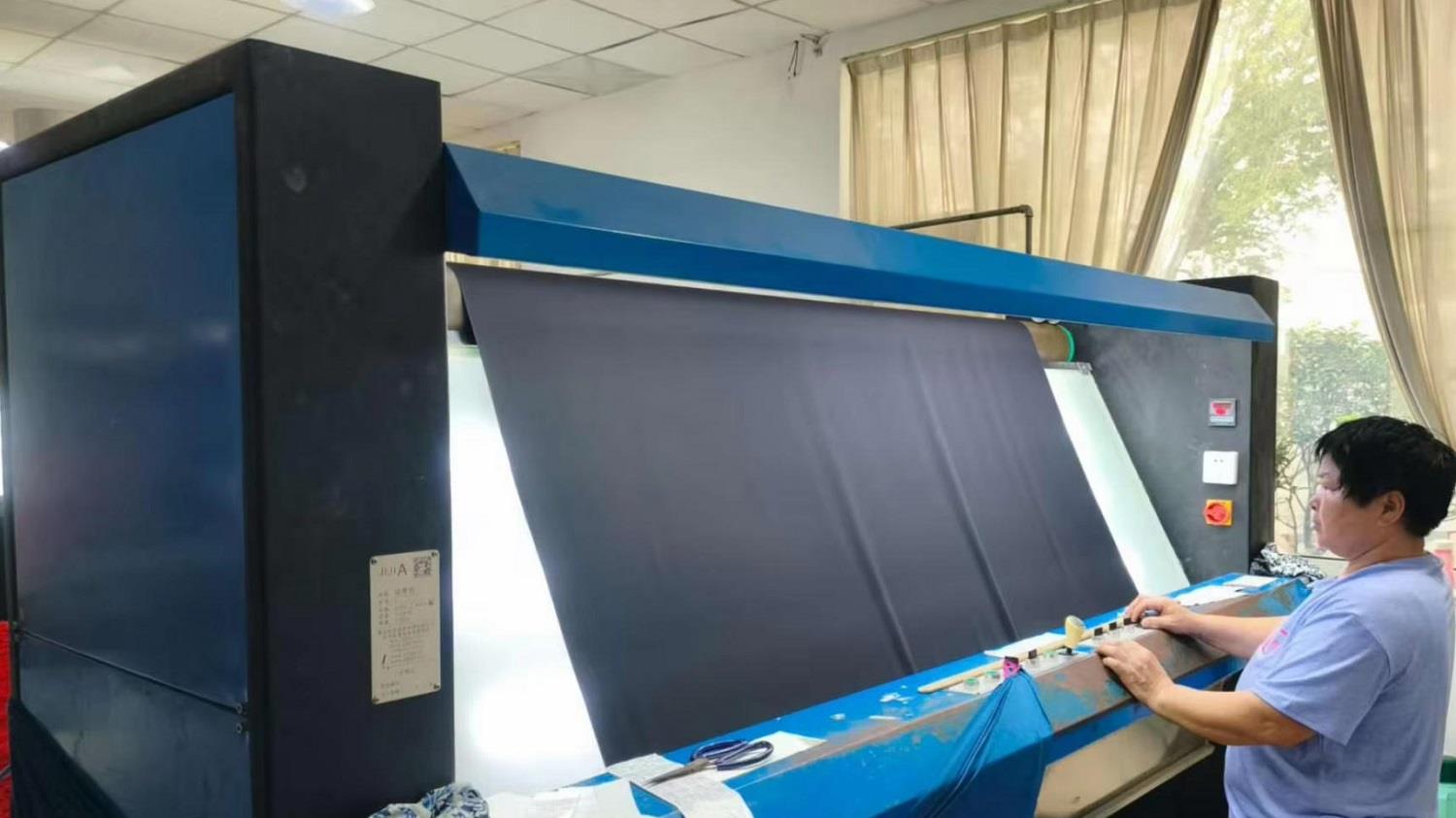
We implement a strict 4-point inspection system for all inbound fabrics, verifying weight, stretch recovery, and defect rates. During assembly, in-line quality assurance officers inspect sewing work, seam strength, and internal lining construction. A final 100% inspection is performed post-ironing, ensuring that zippers, eyelets, and hem lengths meet technical drawing specifications before packaging.
We work closely with certified fabric mills to prioritize textile processing that minimizes chemical discharge. Our factory facilities conform to local and international labor standards. These practices help global brands maintain clear ESG documentation and satisfy green procurement requirements in Western European and North American markets.
Based in Zhejiang, we are positioned close to major deep-water ports (Ningbo-Zhoushan and Shanghai) and international airports. We handle customs declarations, export licensing, and freight coordination. Whether shipping LCL (Less than Container Load), FCL (Full Container Load), or using air freight for fast restocking, our team ensures correct tariff classification and smooth delivery.
Integrating advanced technology and automation into garment manufacturing
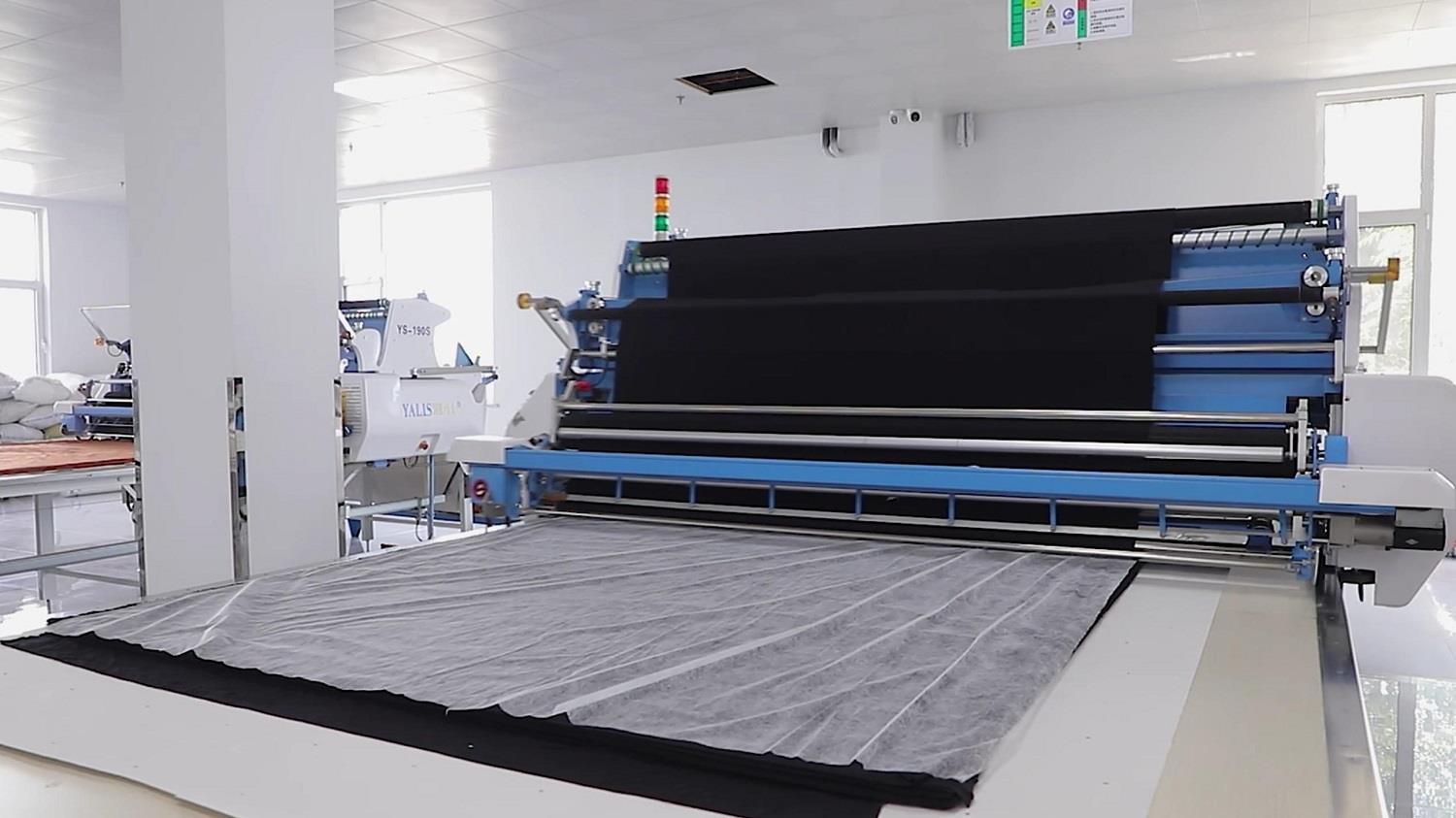
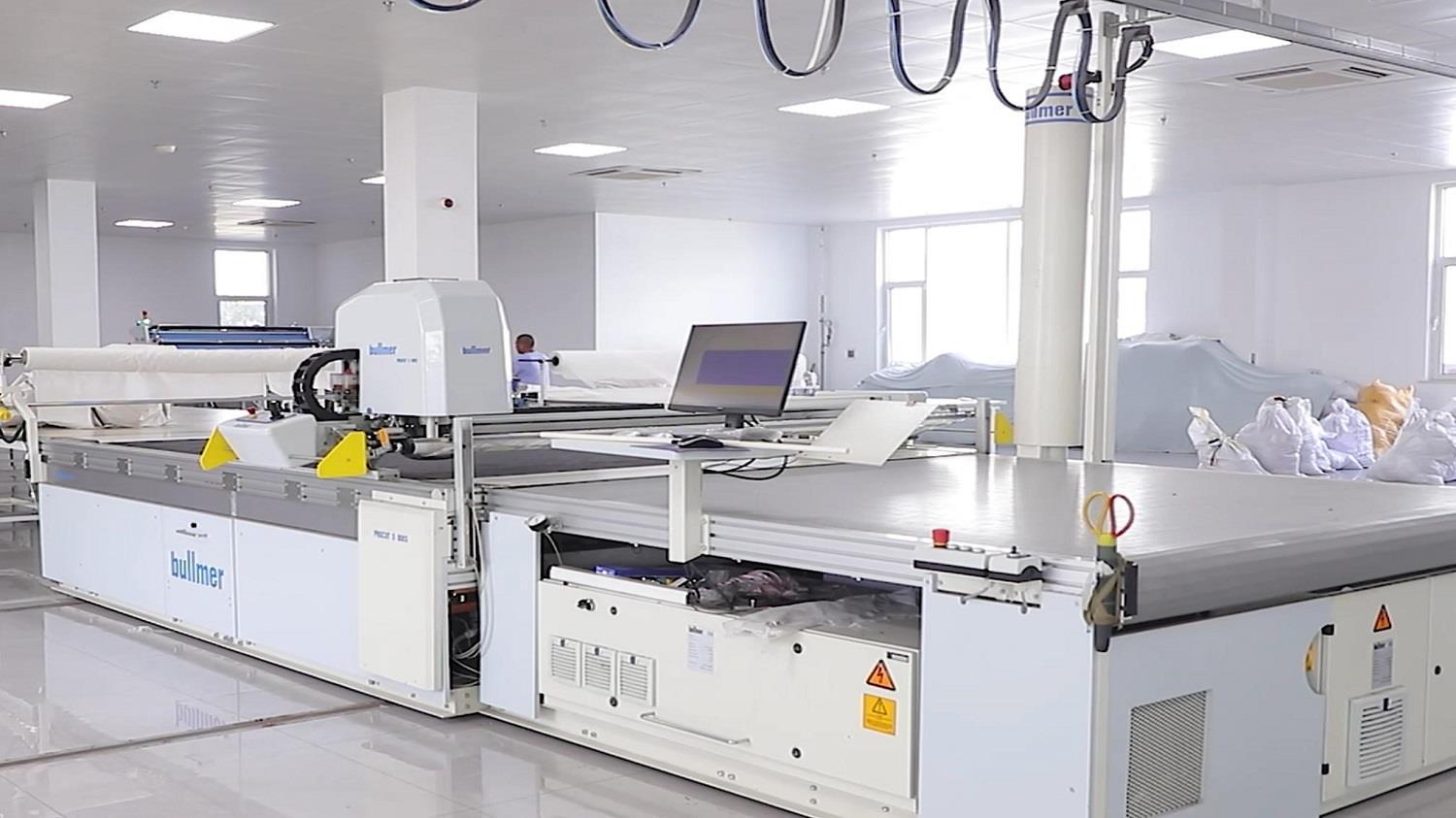
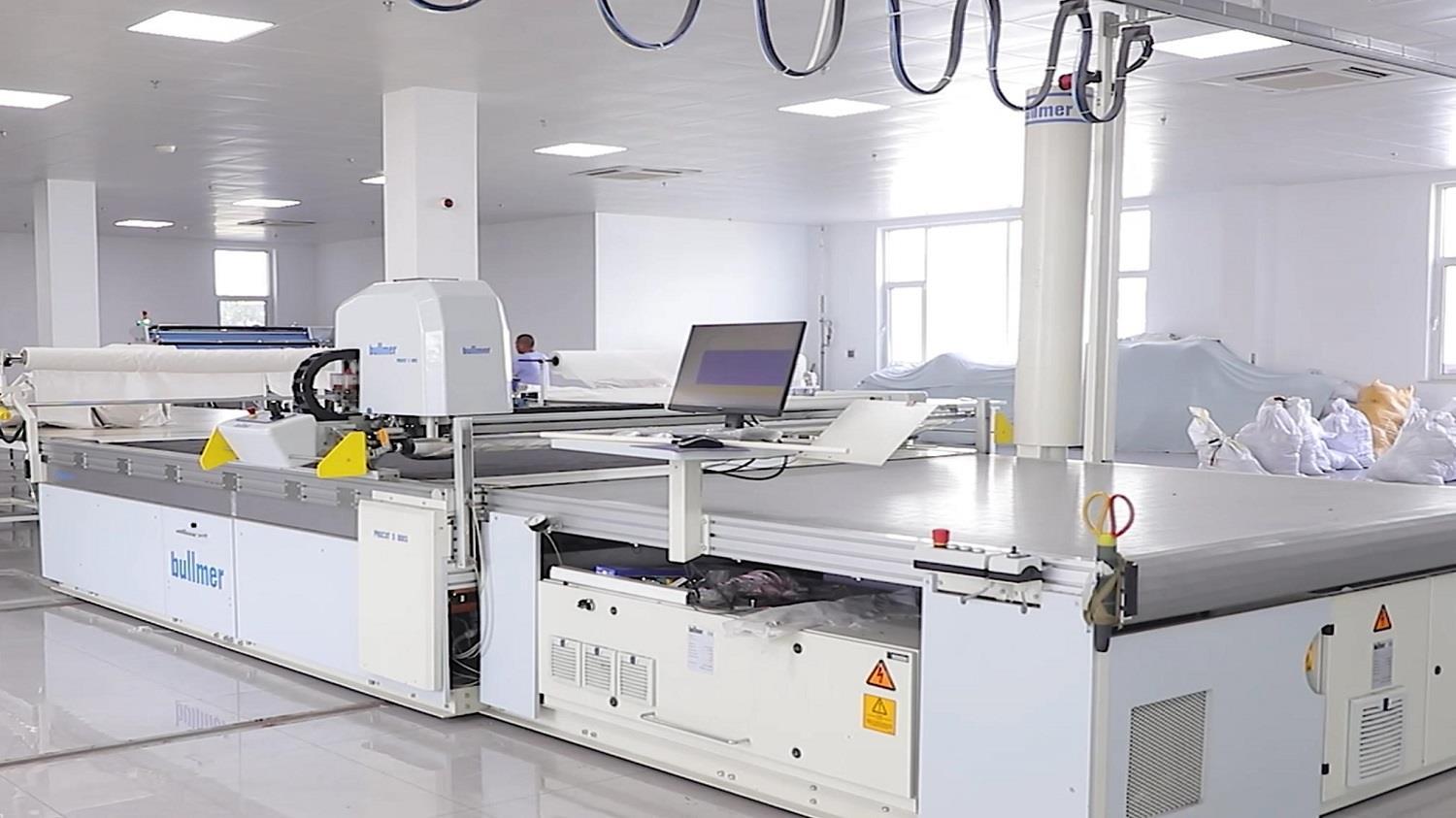
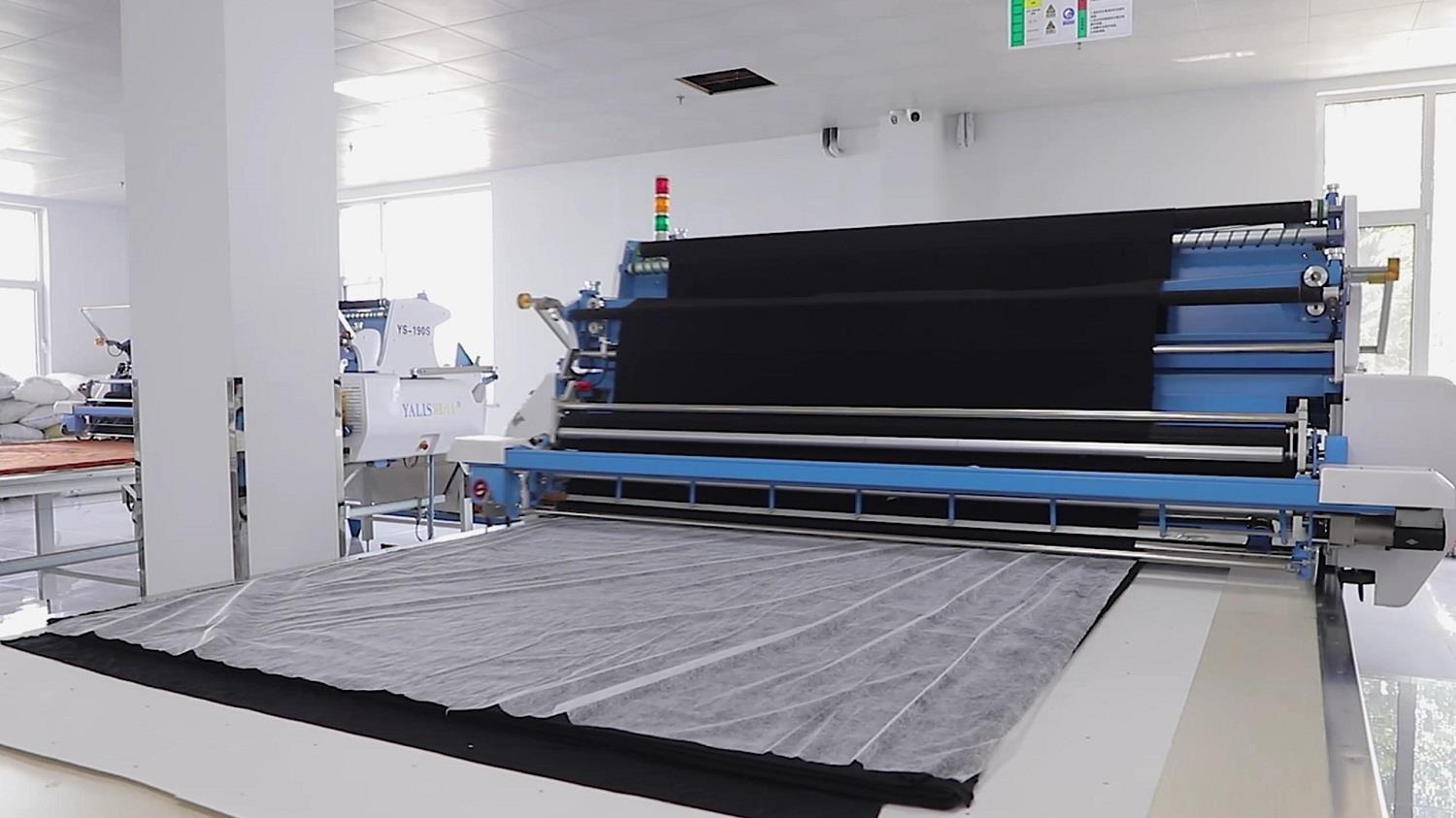
By using automated spreading and cutting machinery, we reduce pattern distortion in delicate or slippery fabrics like silk, satin, and chiffon. Computerized cutting layouts optimize material yield, reducing raw material waste by 8% to 12% compared to manual processes.
We maintain a digital database of sizing profiles, enabling faster grading across different sizing systems. This ensures that when a brand updates their sizing standards, changes can be rolled out across the entire production line in real time.
We utilize specialized machinery for delicate seams, blind hems, and edge finishes. This includes machines designed for knit tension adjustment, heavy beadwork support, and precise thread tension control, ensuring high structural integrity in every garment.
Essential B2B sourcing information regarding MOQs, custom sampling, and quality standards
From technical outdoor wear to structured dresses, discover our manufacturing capability across diverse product lines
 Orap Clothing