Explore our elite range of custom apparel products. Engineered for durability, design relevance, and market adaptability.
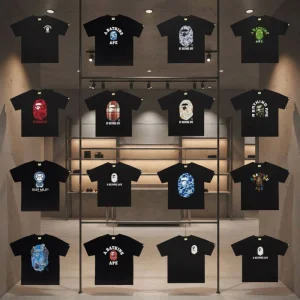
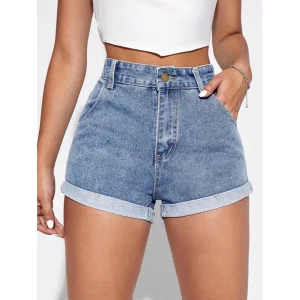
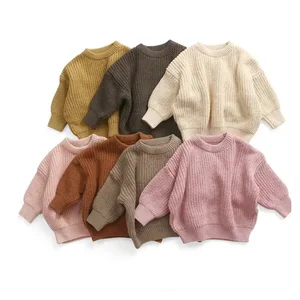
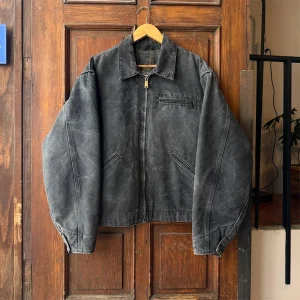
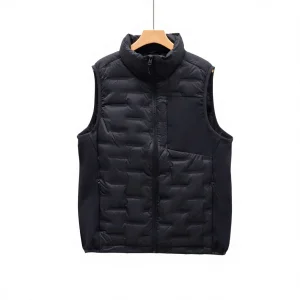
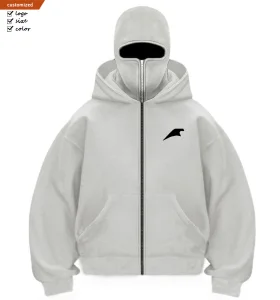
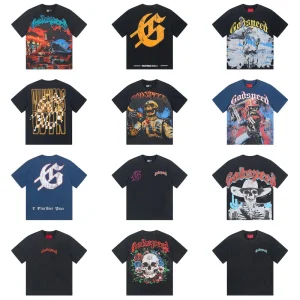
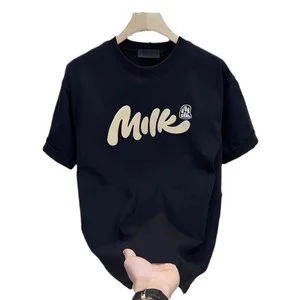
The humble T-shirt has evolved from a basic undergarment to the absolute anchor of the modern apparel industry—the "Essential Tee". Today, it represents a multi-billion dollar market driven by consumer demands for minimalism, structural durability, and textile sustainability. For global procurement officers, apparel brands, and retail chains, choosing the right production partner is not merely about finding the lowest cost per unit; it is about establishing a highly adaptive, quality-focused, and compliant supply chain.
Historically, volume-based production centers in South Asia offered highly competitive pricing but struggled with technical consistency and rapid prototyping. Today, premium street fashion, high-street retailers, and corporate buyers demand advanced specifications: heavy-knitted textiles (ranging from 220 GSM to 380 GSM), combed ring-spun cotton, organic bamboo-cotton blends, and sustainable circular-economy fabrics (such as rPET). This has shifted focus back to specialized manufacturing clusters capable of pairing technical expertise with large-scale machinery integration.
Zhejiang Province stands as the epicenter of global textile engineering and garment manufacturing. The region's efficiency is built upon deep supply chain integration, automated infrastructure, and localized accessibility to high-quality raw materials, trims, and logistics networks. Unlike emerging apparel hubs, factories in Zhejiang benefit from a highly skilled labor pool, advanced computerized pattern layout systems, and deep integration with nearby deepwater container ports in Ningbo and Shanghai.
From initial yarn spinning, dye-houses utilizing eco-friendly reactive dyes, to button and zipper factories, all primary and secondary components are sourced within a 50-mile radius. This dramatic reduction in logistical drag allows for extremely agile development phases.
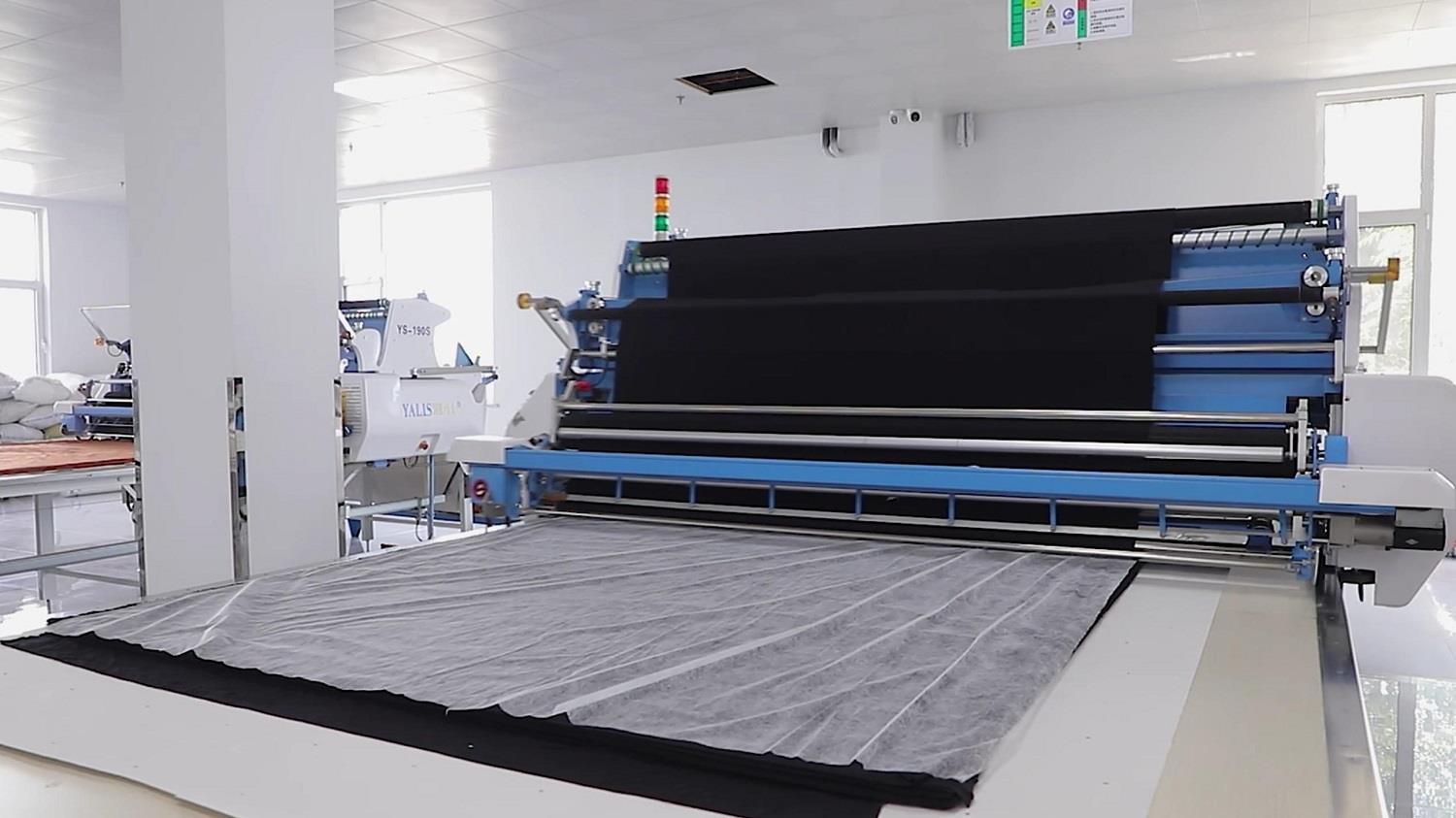
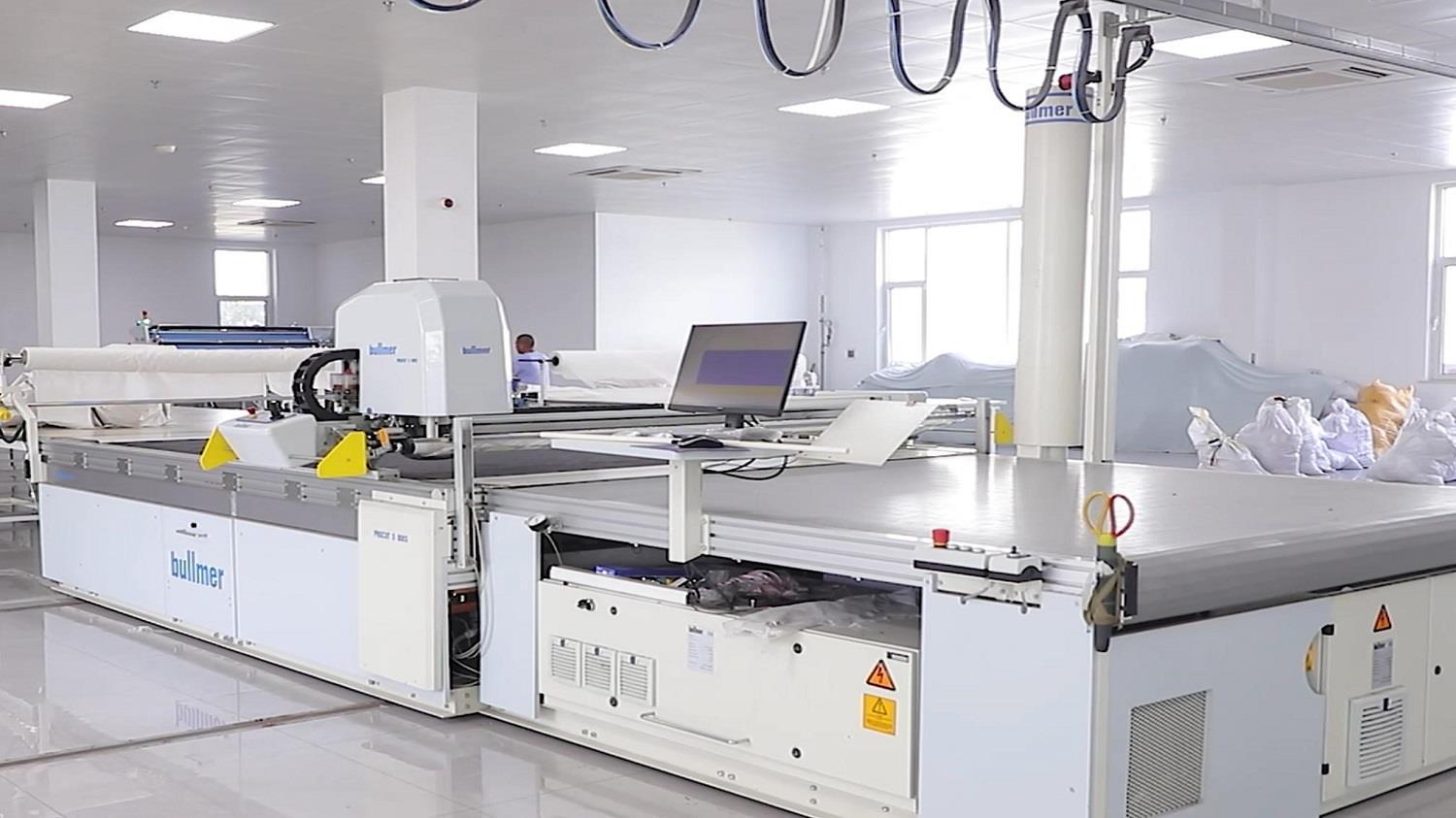
Automated cutting machinery and computerized fabric spreading reduce material waste by up to 15% and guarantee cutting precision down to a fraction of a millimeter. Every component matches the technical blueprint perfectly.
Zhejiang factories operate under stringent environmental and social regulations. Modern facilities prioritize energy-saving initiatives, wastewater treatment compliance, and safe working environments that meet global certifications like OEKO-TEX, BSCI, and WRAP.
Zhejiang Orap Clothing Co., Ltd. is a professional garment manufacturer specializing in apparel design, sample development, production, and global sales. Located in Zhejiang Province, China, we are committed to providing high-quality clothing solutions for customers worldwide. Since our establishment, we have built a strong reputation for reliable manufacturing, competitive pricing, and excellent customer service.
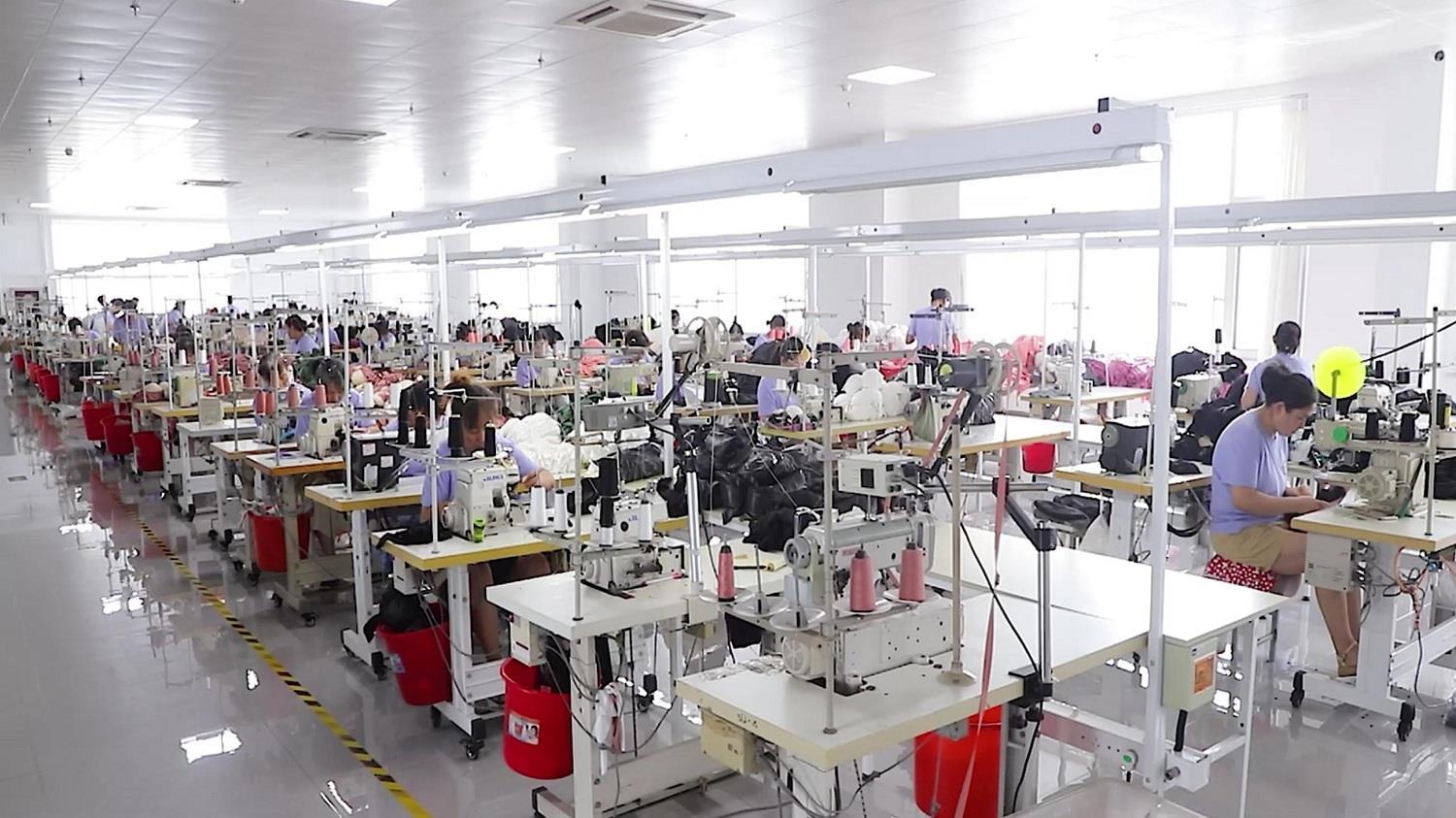
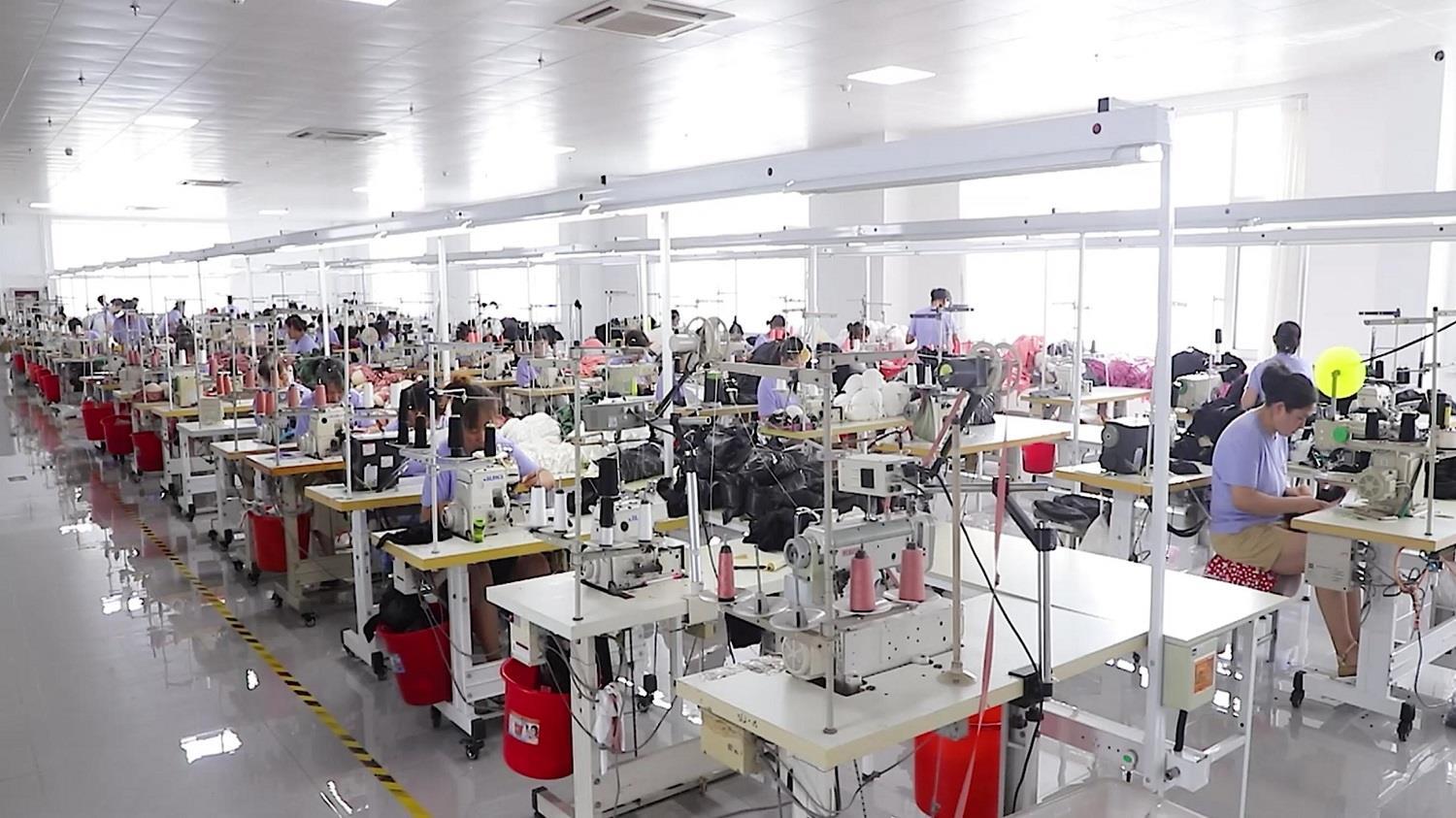
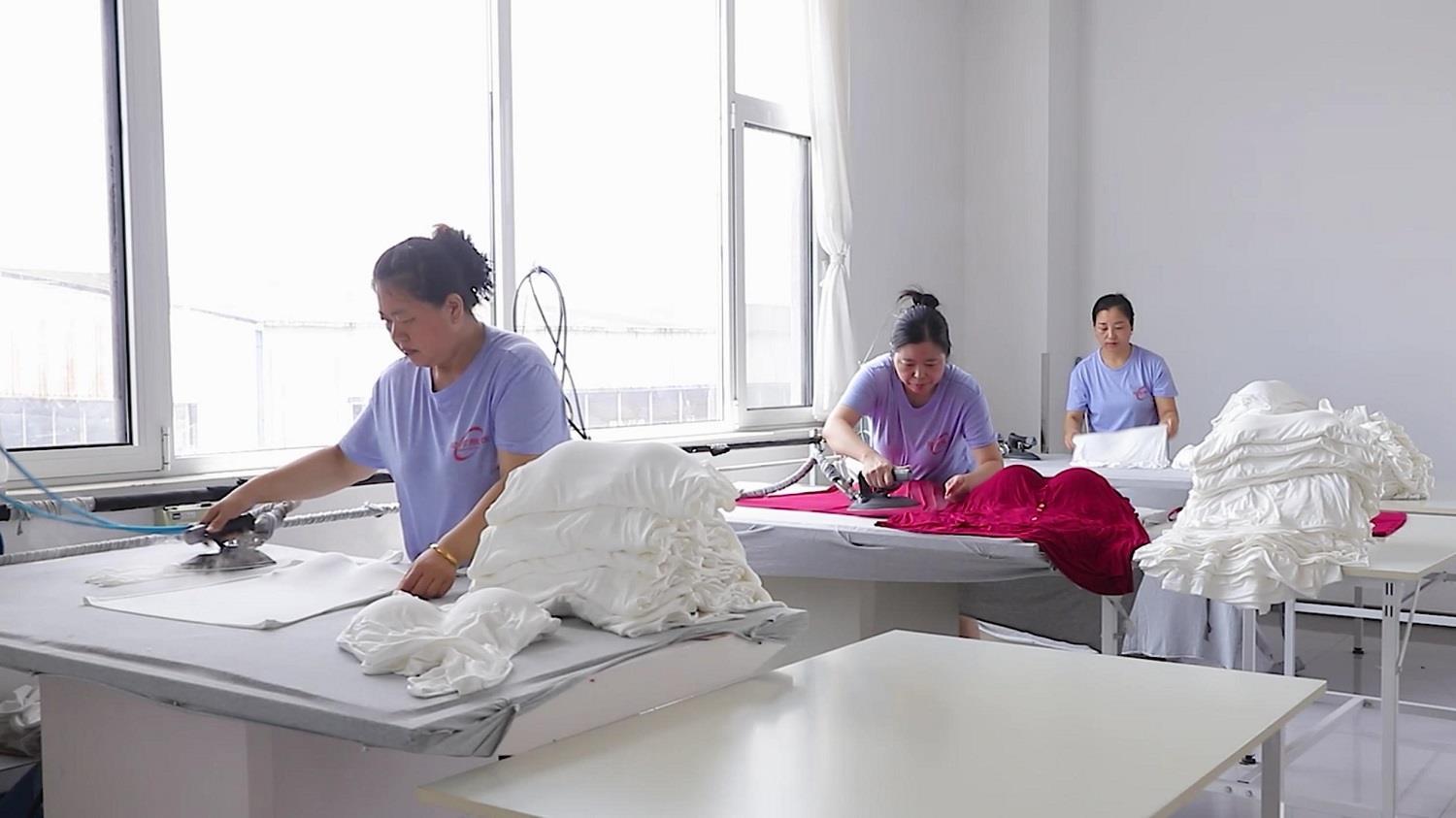
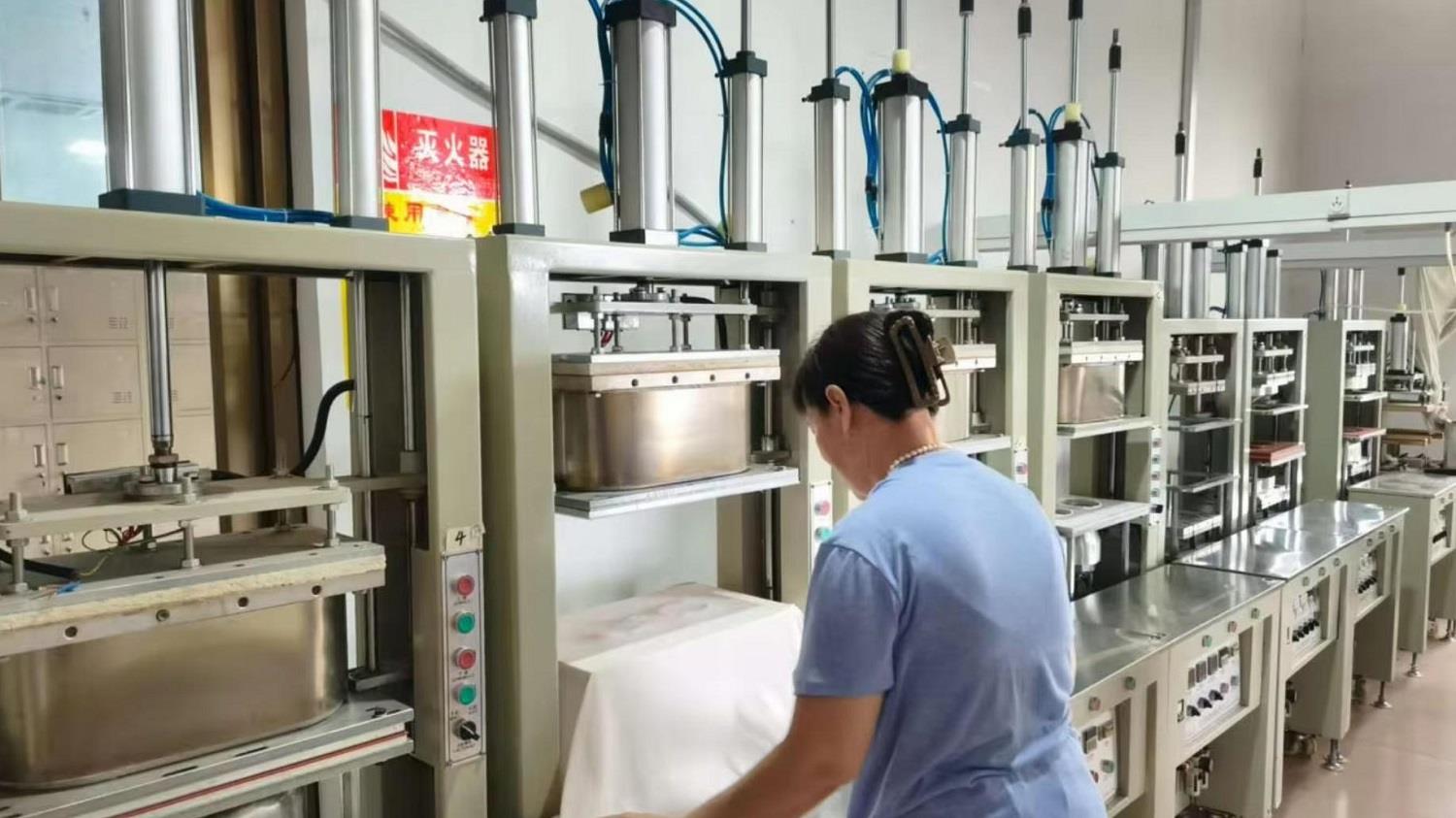
Our factory is equipped with advanced production equipment, including high-speed lockstitch sewing machines, overlock machines, double-needle sewing machines, buttonhole machines, button attaching machines, bartack machines, cutting tables, steam pressing equipment, and other specialized garment manufacturing facilities. These modern production lines enable us to efficiently handle a wide range of apparel categories while maintaining strict quality standards throughout every stage of production.
With an experienced team of designers, technicians, and skilled workers, Zhejiang Orap Clothing Co., Ltd. offers comprehensive OEM and ODM services. We work closely with fashion brands, wholesalers, retailers, and e-commerce businesses to transform ideas into high-quality finished products. From fabric sourcing and pattern making to sampling, bulk production, quality inspection, packaging, and shipment, we provide one-stop apparel manufacturing solutions.
Our main product range includes casual wear, sportswear, hoodies, sweatshirts, T-shirts, jackets, pants, dresses, uniforms, and other customized garments for men, women, and children. We continuously invest in new technologies, production management, and quality control systems to ensure every product meets international standards and customer expectations.
With a monthly production capacity of more than 100,000 pieces, we are capable of fulfilling both small-batch customization and large-volume orders while ensuring on-time delivery. Every garment undergoes strict quality inspections before shipment, reflecting our commitment to consistency, durability, and customer satisfaction.
Guided by the philosophy of "Quality First, Customer Foremost, Integrity, and Win-Win Cooperation," Zhejiang Orap Clothing Co., Ltd. is dedicated to building long-term partnerships with clients around the world. We continually improve our products, services, and manufacturing capabilities to help our customers succeed in today's competitive apparel market.
We sincerely welcome partners from all over the world to collaborate with us and create lasting business success together.
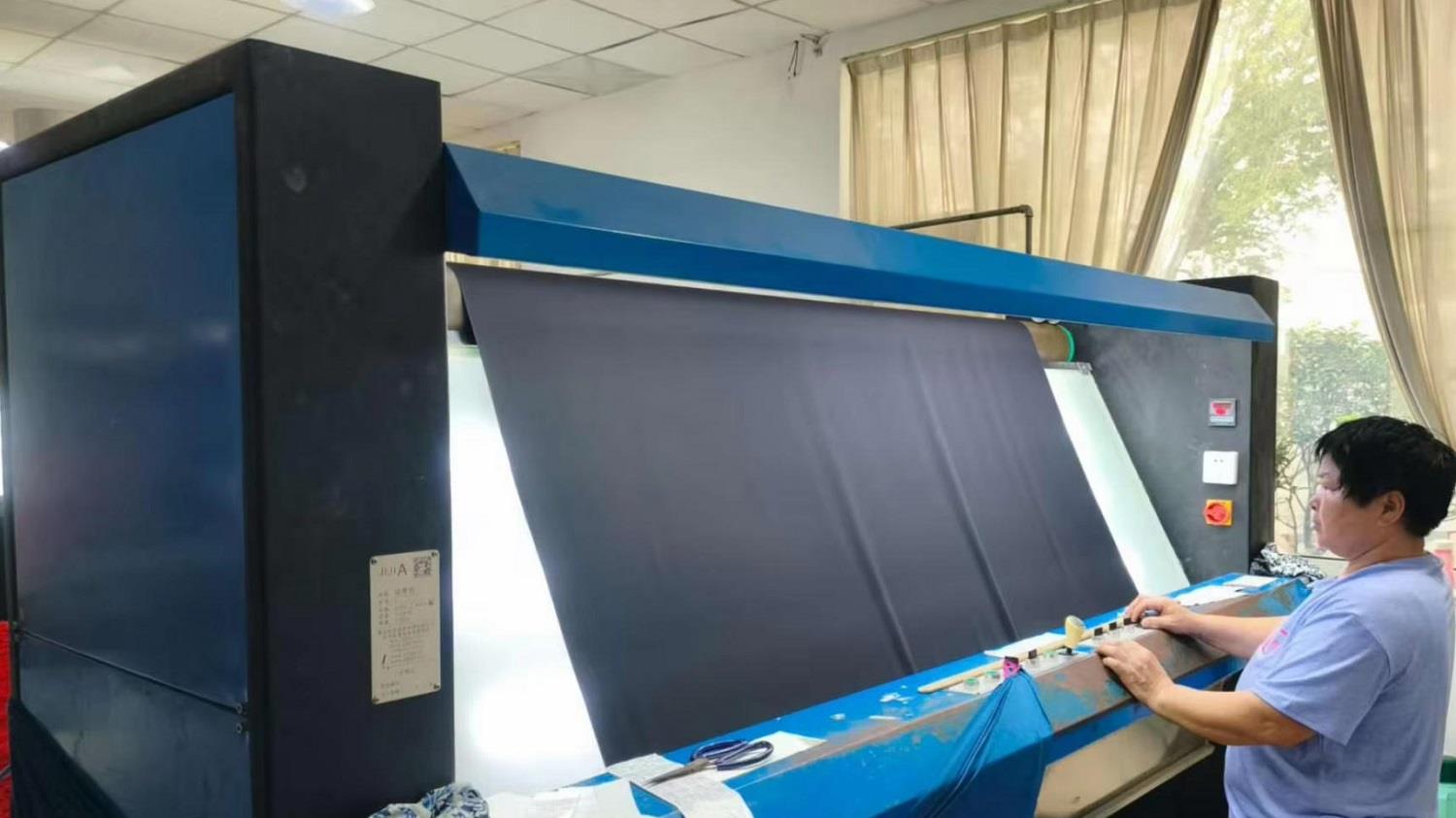
Every step in our production sequence is monitored using digital quality indicators, ensuring batch consistency from the initial inspect phase to the final packaged products.
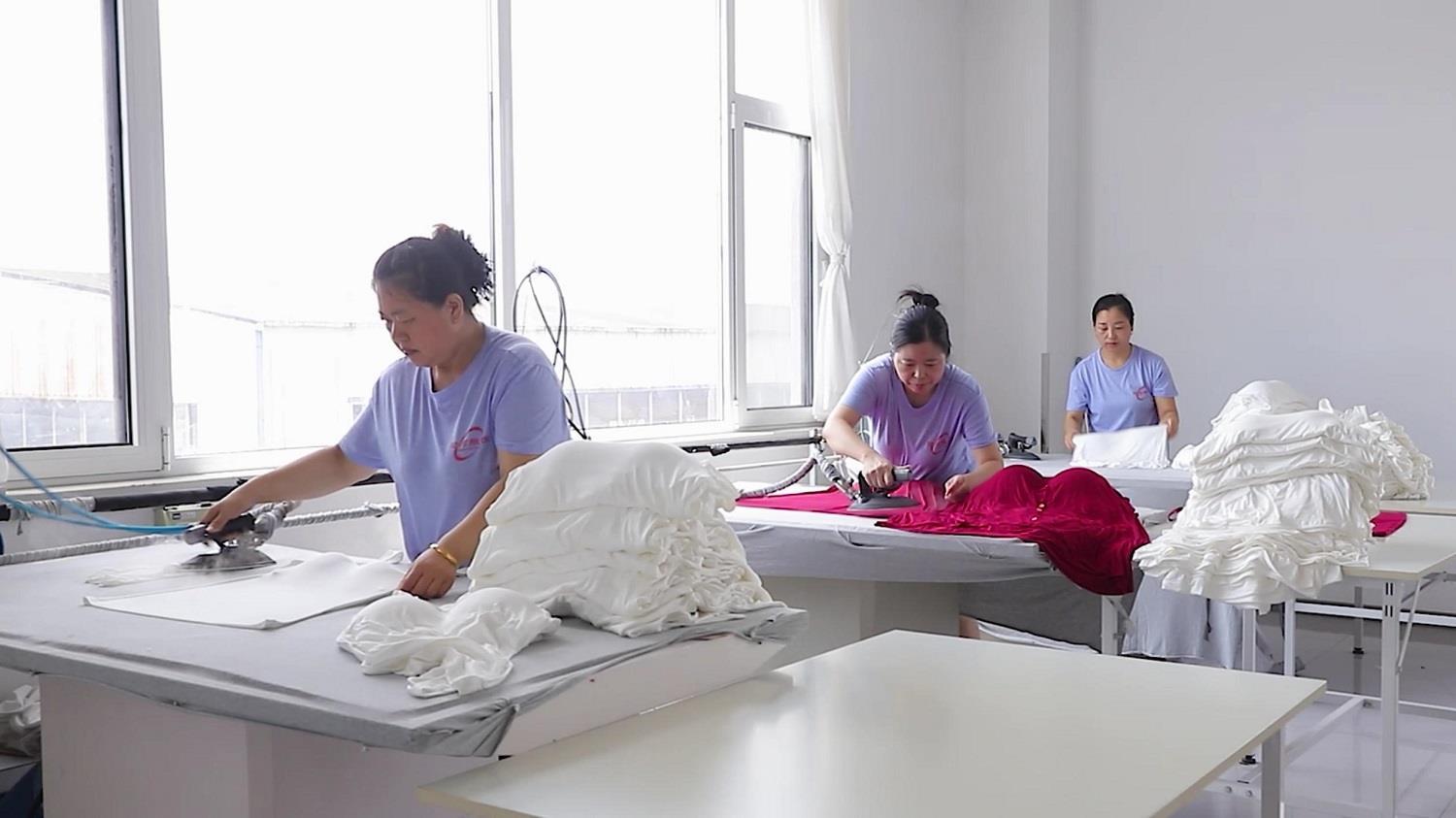
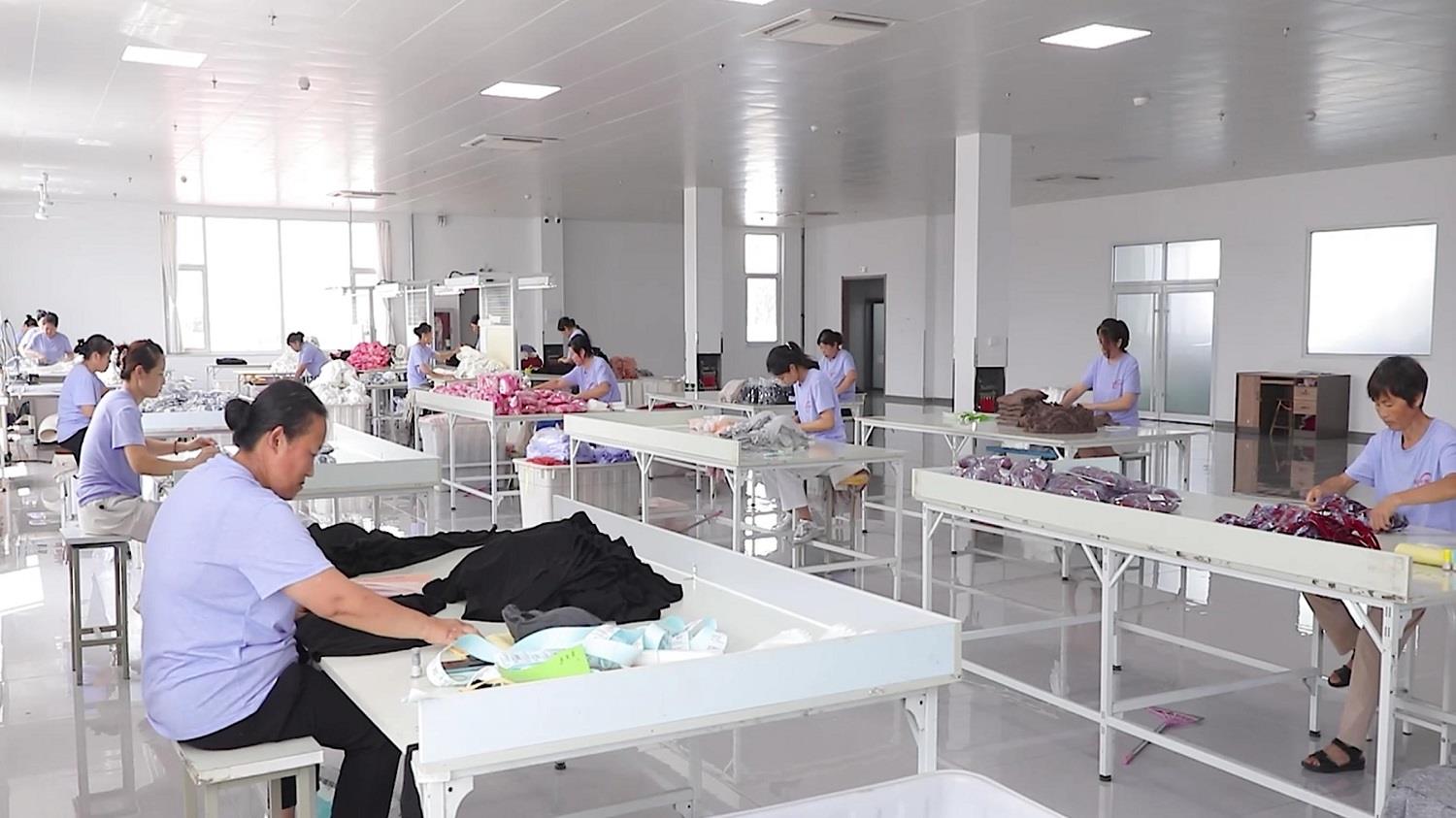
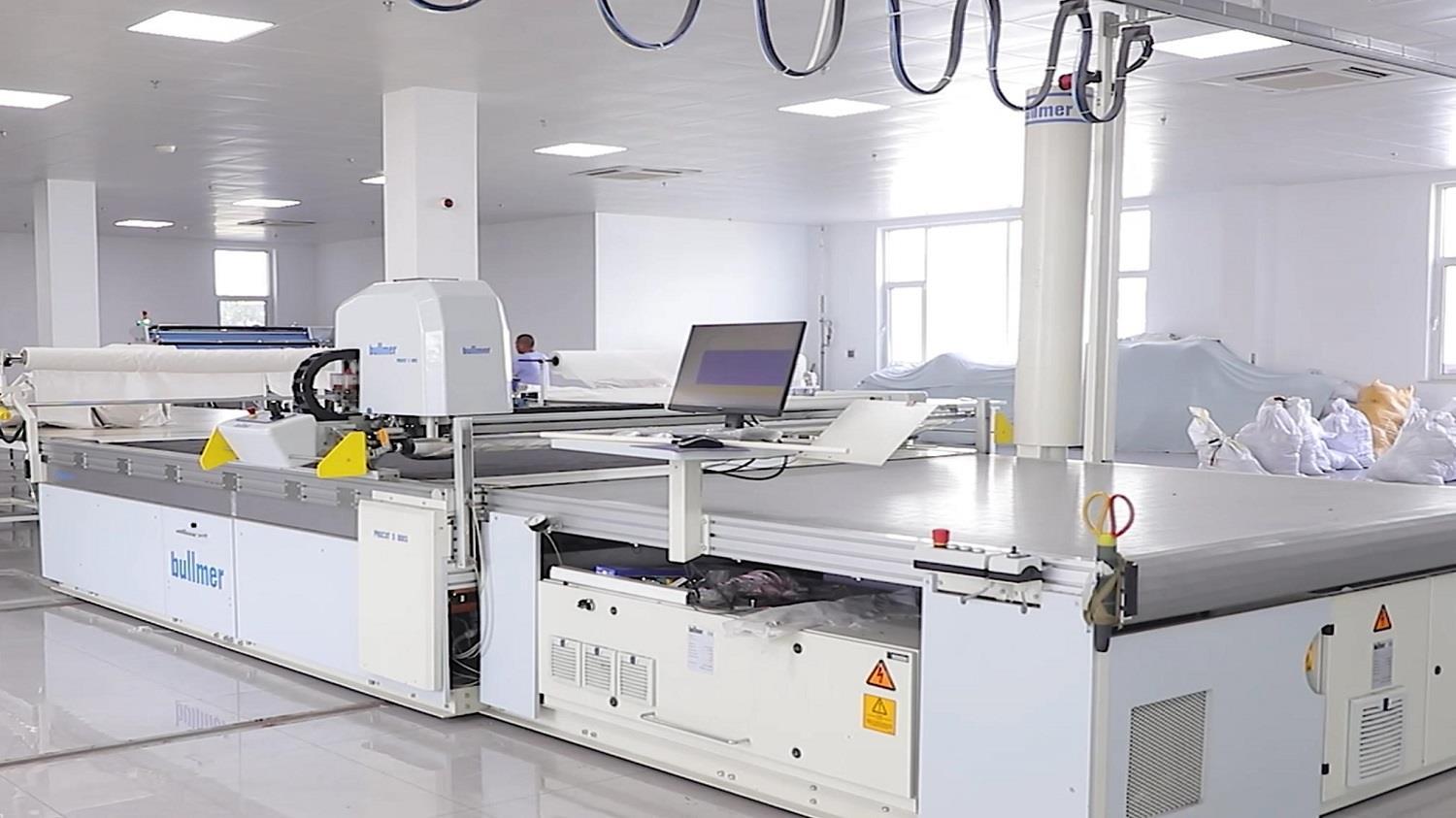
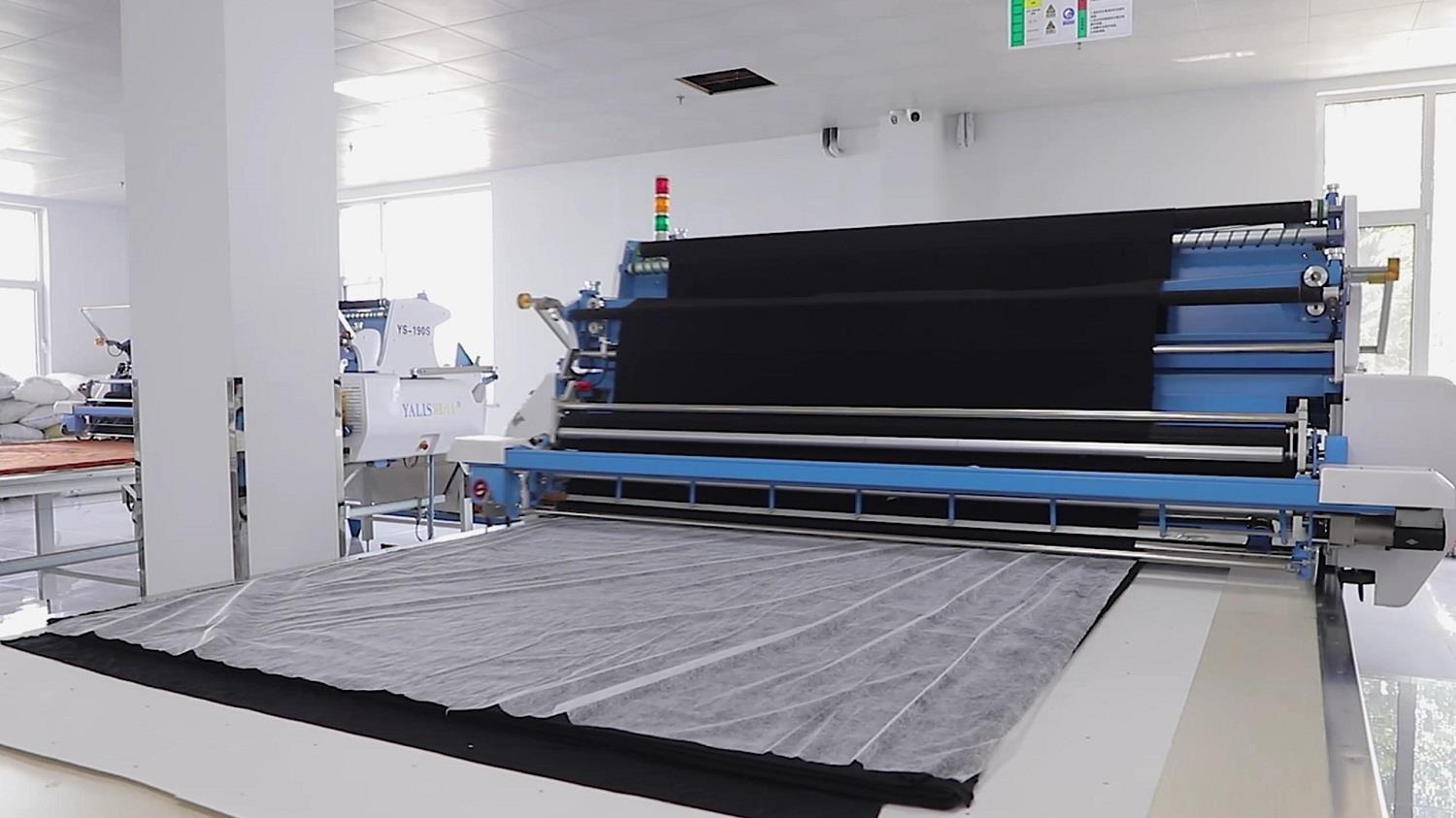
An Essential Tee is not a one-size-fits-all product. Different geographic regions and end-consumer demographics dictate specific tactile, structural, and aesthetic requirements. Zhejiang Orap Clothing structures its product lines and material sourcing strategies to meet these localized profiles:
Requires heavyweight jersey knit (240-300 GSM), oversized drop-shoulder fits, and unique treatments such as acid-washing, garment-pigment dyeing, and enzyme washing to provide a luxurious, pre-shrunk, soft-hand texture.
Focuses on cost-efficiency combined with print-readiness. Standard weights (160-180 GSM) with tight knit structures are selected to support clean ink coverage for direct-to-garment (DTG), screen printing, or detailed embroidery.
Demands blended fibers combining combed cotton with spandex/elastane or recycled polyester. These fabrics utilize moisture-wicking and anti-microbial treatments, transitioning smoothly from fitness settings to daily casual wear.
The global textile sector is undergoing a profound structural shift driven by technology and sustainability mandates. To remain competitive, manufacturers must look beyond baseline capacity and implement smart, circular supply methods. Zhejiang Orap Clothing actively monitors and adopts these emerging standards:
As EU and US sustainability laws become more restrictive, major brands are shifting away from virgin polyester. Sourcing strategies now prioritize post-consumer recycled cotton, Organic Content Standard (OCS) cotton, and wood-derived cellulose fibers like Tencel™ and Modal™, which offer natural silkiness and superior carbon footprints.
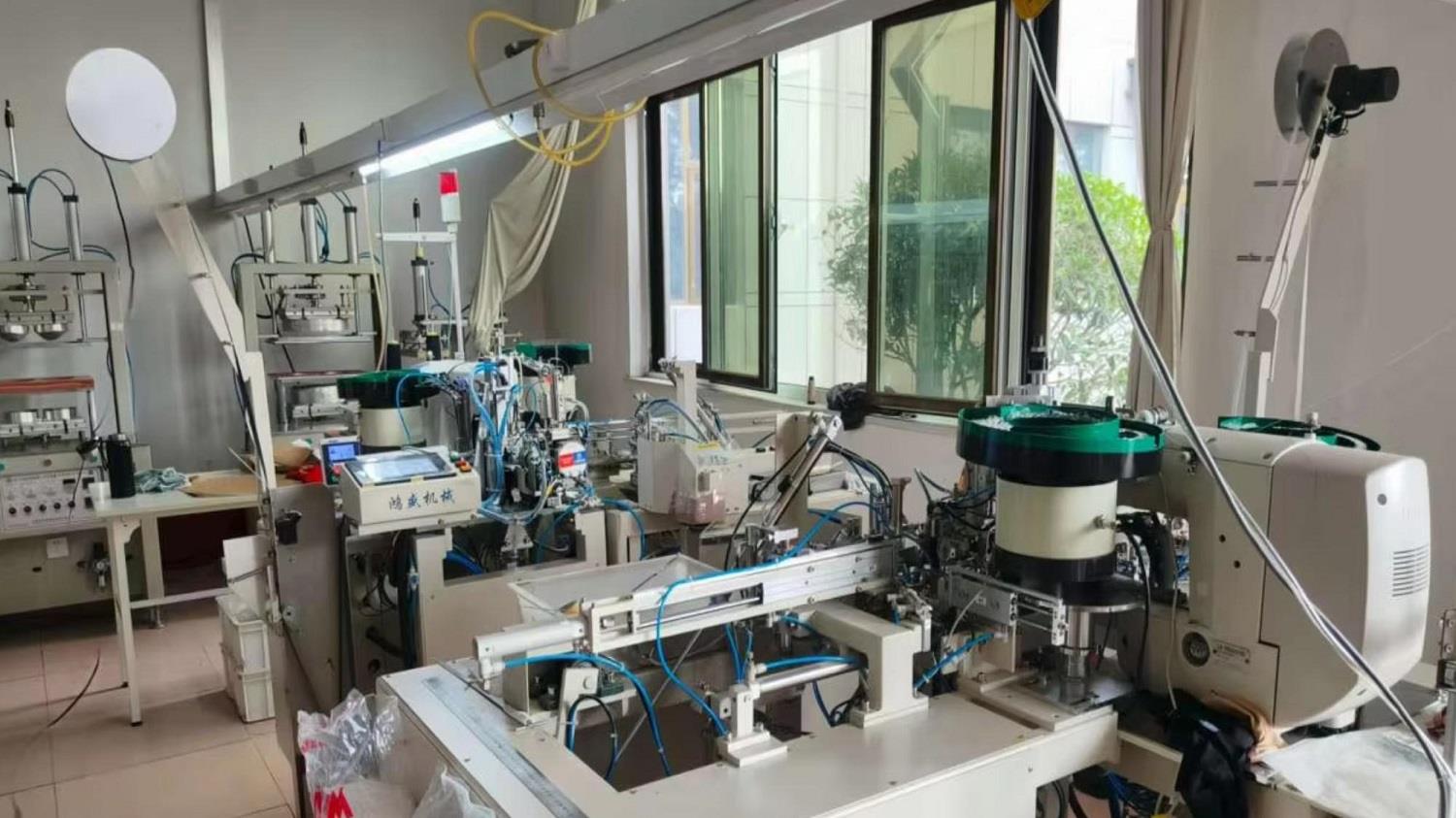
Integrating computerized fabric pattern design software (CAD) directly with automatic CNC cutting machines reduces mechanical error margins. Automated sewing workstations, such as automatic belt threading machines and cup shaping machinery, increase throughput while ensuring identical measurements across thousands of production runs.
Water conservation is a top priority. Modern mills use high-efficiency jet-dyeing equipment that reduces water ratios by up to 50%. The use of non-toxic, metal-free reactive dyes ensures compliant colorfastness without releasing dangerous chemical effluents into local ecosystems.
Answers to critical questions regarding fabrics, order minimums, customs clearance, and private label optimization.
Our standard MOQ for custom-dyed and custom-cut apparel ranges between 500 to 1,000 pieces per style/colorway, depending on the fabric weight and composition. For stock fabrics or base blanks, we can often accommodate lower MOQ requirements to support emerging brands and test collections.
Dimensional stability is controlled through pre-shrinking and compaction processes. We run all knitted cotton through a tensionless calendar system and sanforizer. This ensures final garment shrinkage stays under 3% in length and width under standard machine laundering cycles.
Our fabrics can be sourced with GOTS (Global Organic Textile Standard), OCS, and OEKO-TEX Standard 100 certifications. We work with accredited laboratories like SGS, ITS, and BV to conduct tests for colorfastness, fiber composition, lead/formaldehyde presence, and tensile strength before starting mass production.
Sample prototyping generally requires 7 to 10 working days, depending on fabric availability. Mass production leads require 30 to 45 days after deposit clearance and pre-production sample approval. Rush manufacturing can sometimes be scheduled based on seasonal capacity utilization.
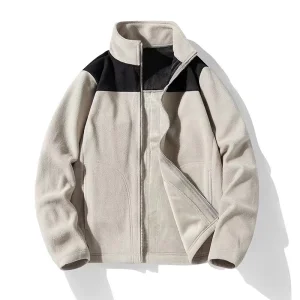
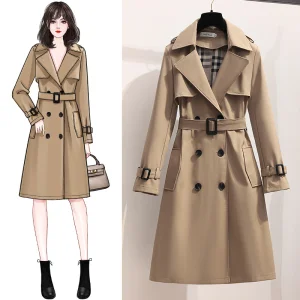
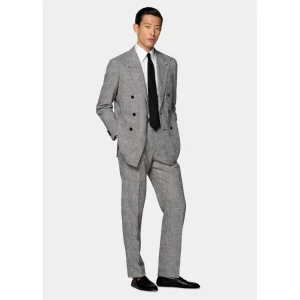
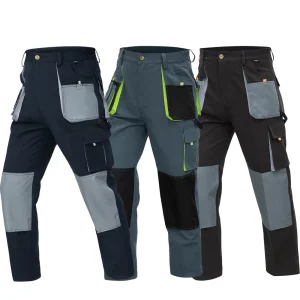
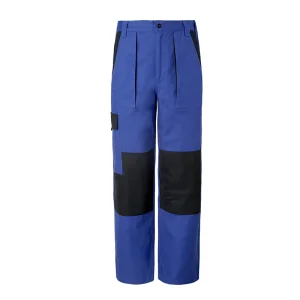
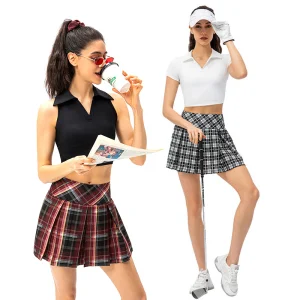
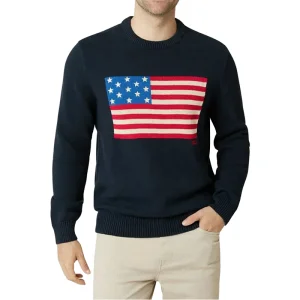
Discover our specialized technical outerwear, formal options, and workwear configurations, produced to the same precise quality standards.

 Orap Clothing