Direct access to modern customized garment designs manufactured under international export compliance certifications.
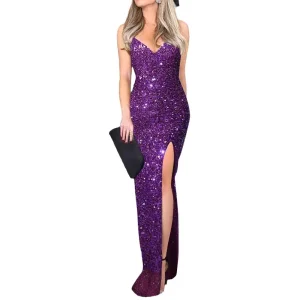
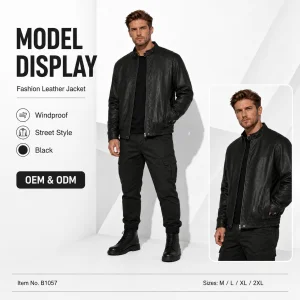
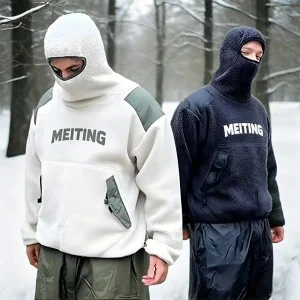
For fashion houses, retail networks, and brand owners, navigating the procurement of high-density knitted turtlenecks is a critical winter design choice. Underpinning structural longevity, thermal efficiency, and cost management.
Global markets demand dynamic fiber choices: from fine 12GG/14GG extra-fine merino wool and Mongolian cashmere for luxury retail, to blended recycled polyester and GOTS certified organic cotton for eco-focused commercial capsule collections.
The definitive engineering criteria for a premium turtleneck is its elastic recovery rate. Modern manufacturers use elastomeric plated yarns (Spandex/Lycra) on the rib knit collar to prevent stretching, sag, or loss of neck contours over extended washes.
Agility within a factory relies on automation. Shima Seiki and Stoll computer flat knitting machines are essential to produce zero-waste fully-fashioned panels, shifting production easily from small batch capsule orders to massive volume scaling.
SEO Director Note: With search engines prioritizing semantic value and information gain (E-E-A-T), buyers must analyze not just unit cost, but the manufacturer's technical capabilities in seam linking, automated sizing precision, and eco-certified material procurement.
When auditing turtleneck sweater manufacturers & exporters, corporate procurement heads deploy standard metrics to determine supplier safety, product quality, and production capabilities.
An expert knitwear manufacturer must operate diverse machine gauges. Coarse knits (3GG, 5GG) deliver the heavy, chunky aesthetic required for outdoor winter wear. Meanwhile, fine gauges (12GG, 14GG, 16GG) produce smooth, layering knits ideal for corporate dress codes and urban fashion.
The structural design must match human neck contours without restricting motion. Advanced manufacturers employ differential stitch tensioning, transitioning from a loose knit density at the base to a firmer structure at the throat. Popular configurations include classic rib (1x1 or 2x2), mock necks, and double-fold rollnecks.
High-end apparel demands seamless design. Loop-by-loop linking of collars, sleeves, and side panels is the hallmark of luxury knitwear. Sourcing managers evaluate linking density to prevent seam splitting and friction points, verifying structural reliability during wear.
Zhejiang Orap Clothing Co., Ltd. is a professional garment manufacturer specializing in apparel design, sample development, production, and global sales. Located in Zhejiang Province, China, we are committed to providing high-quality clothing solutions for customers worldwide. Since our establishment, we have built a strong reputation for reliable manufacturing, competitive pricing, and excellent customer service.
Our factory is equipped with advanced production equipment, including high-speed lockstitch sewing machines, overlock machines, double-needle sewing machines, buttonhole machines, button attaching machines, bartack machines, cutting tables, steam pressing equipment, and other specialized garment manufacturing facilities. These modern production lines enable us to efficiently handle a wide range of apparel categories while maintaining strict quality standards throughout every stage of production.
With an experienced team of designers, technicians, and skilled workers, Zhejiang Orap Clothing Co., Ltd. offers comprehensive OEM and ODM services. We work closely with fashion brands, wholesalers, retailers, and e-commerce businesses to transform ideas into high-quality finished products. From fabric sourcing and pattern making to sampling, bulk production, quality inspection, packaging, and shipment, we provide one-stop apparel manufacturing solutions.
Our main product range includes casual wear, sportswear, hoodies, sweatshirts, T-shirts, jackets, pants, dresses, uniforms, and other customized garments for men, women, and children. We continuously invest in new technologies, production management, and quality control systems to ensure every product meets international standards and customer expectations.
With a monthly production capacity of more than 100,000 pieces, we are capable of fulfilling both small-batch customization and large-volume orders while ensuring on-time delivery. Every garment undergoes strict quality inspections before shipment, reflecting our commitment to consistency, durability, and customer satisfaction.
Guided by the philosophy of "Quality First, Customer Foremost, Integrity, and Win-Win Cooperation," Zhejiang Orap Clothing Co., Ltd. is dedicated to building long-term partnerships with clients around the world. We continually improve our products, services, and manufacturing capabilities to help our customers succeed in today's competitive apparel market.
We sincerely welcome partners from all over the world to collaborate with us and create lasting business success together.
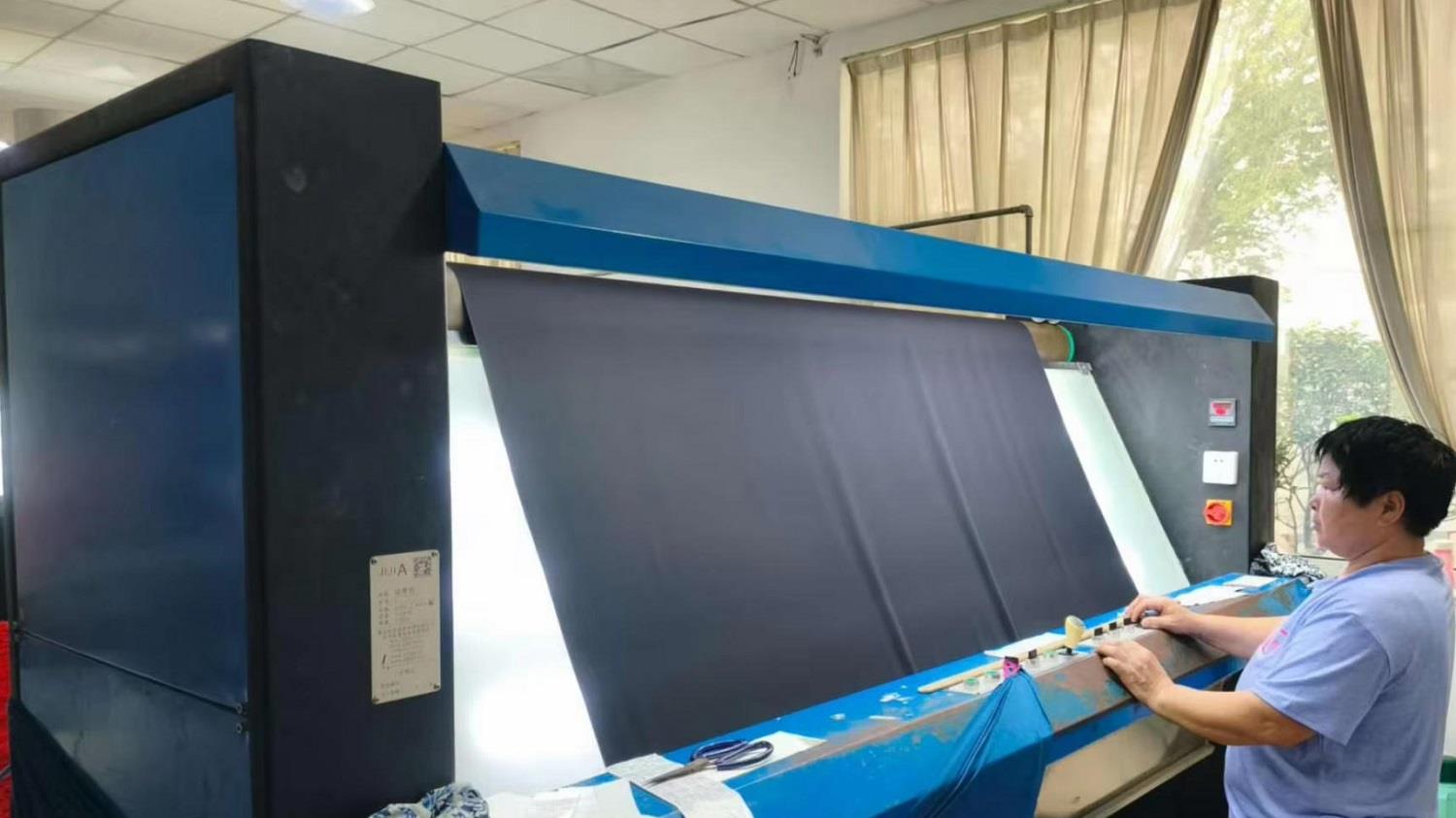
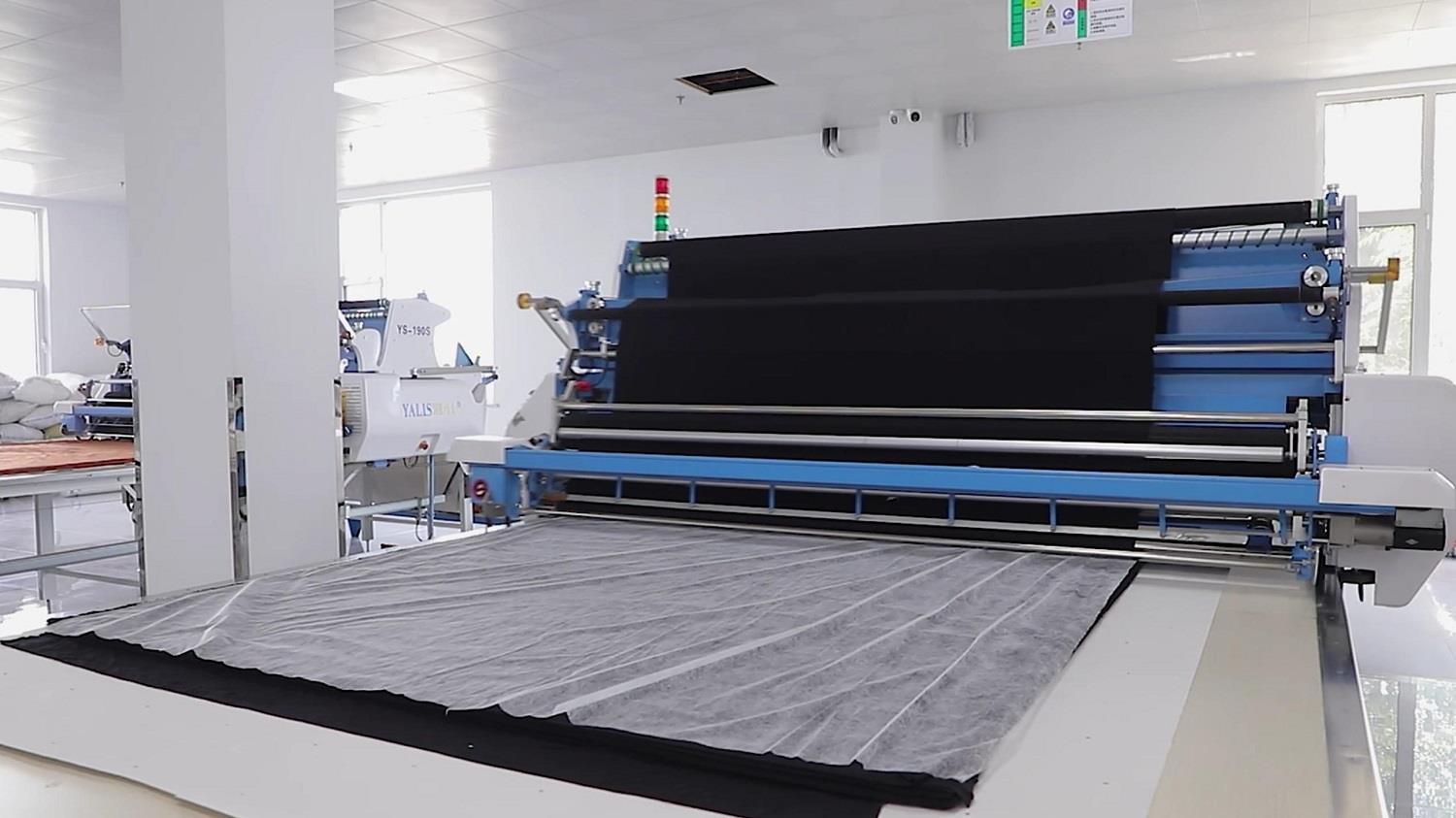
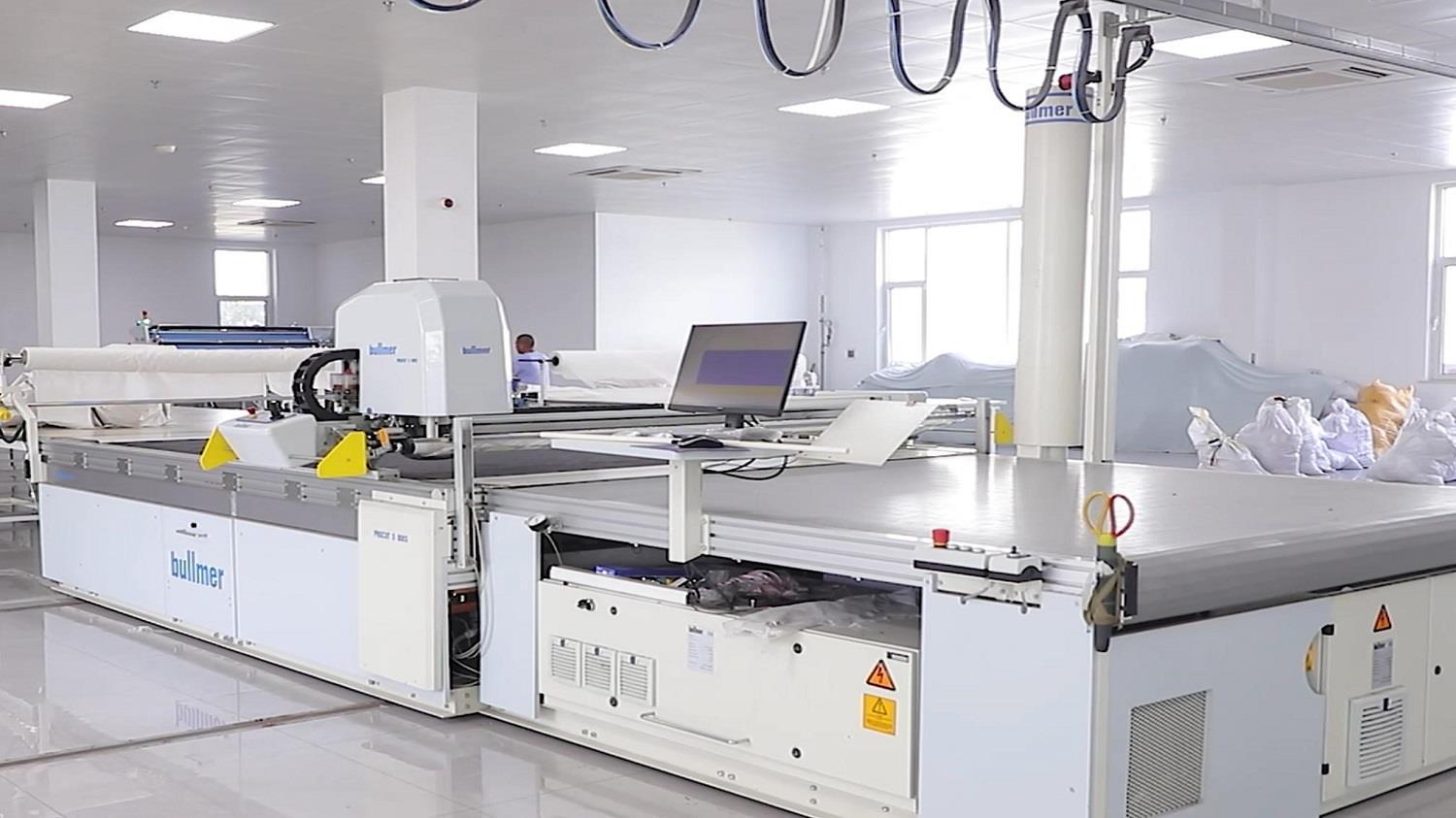
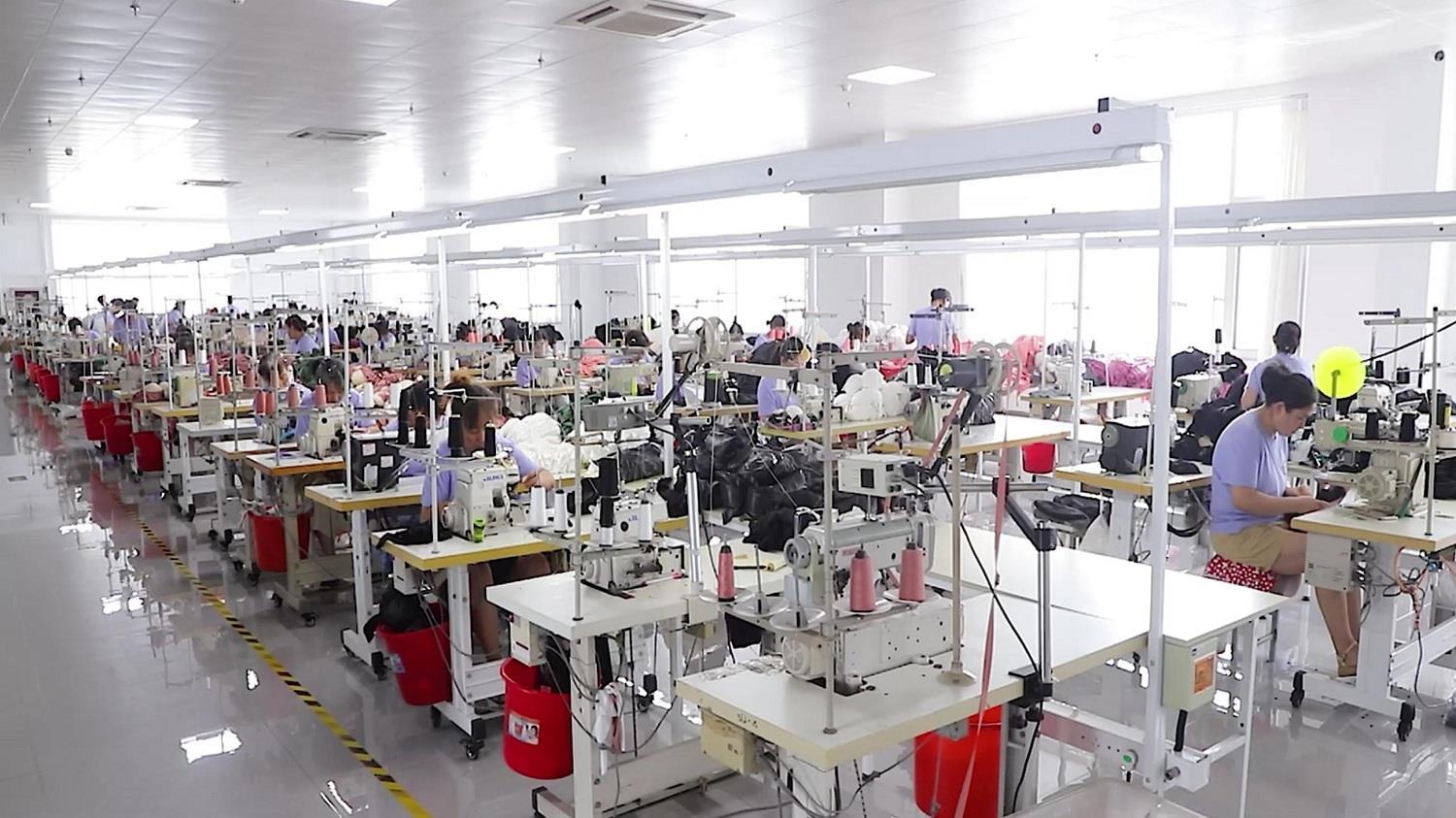
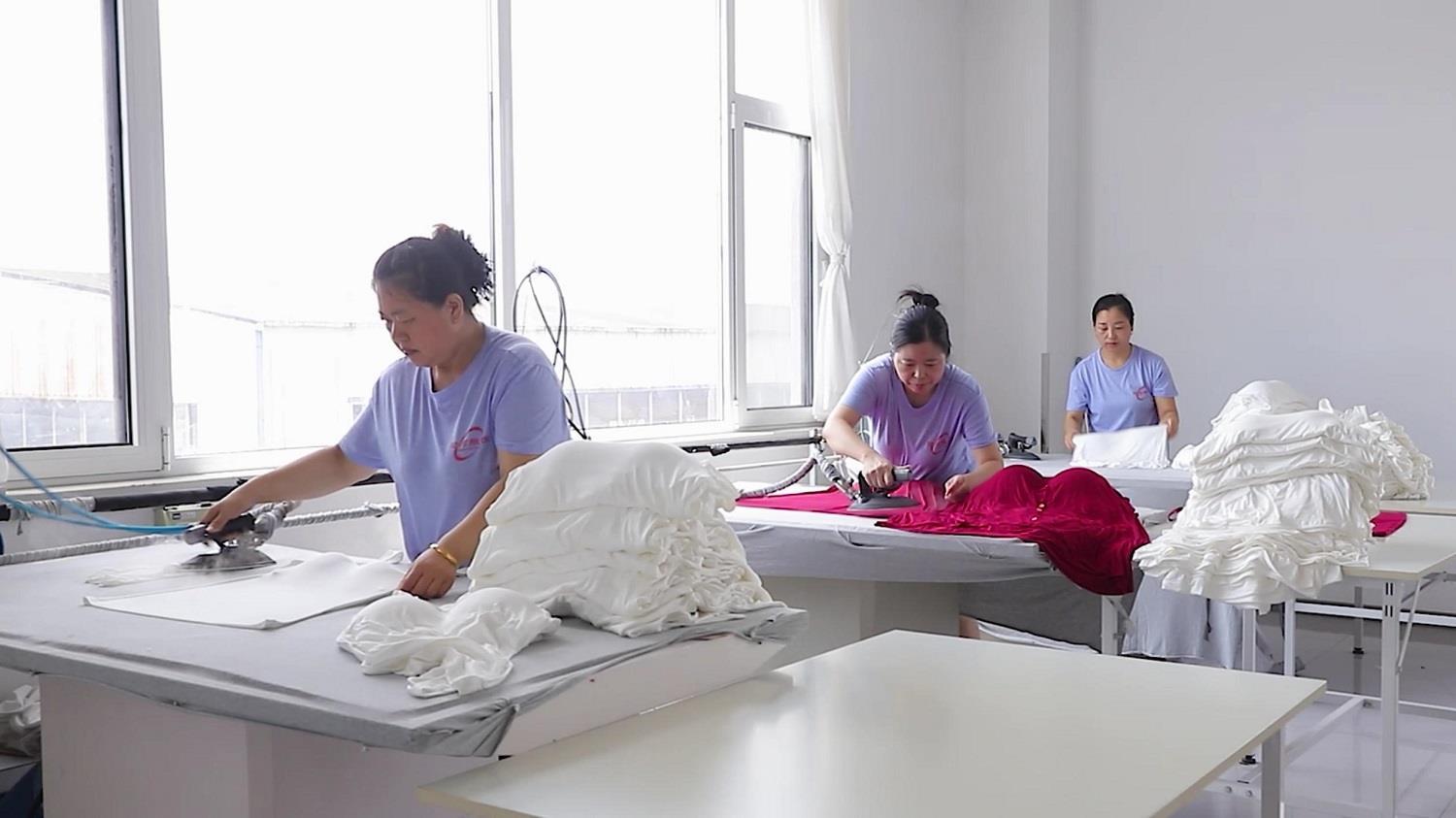
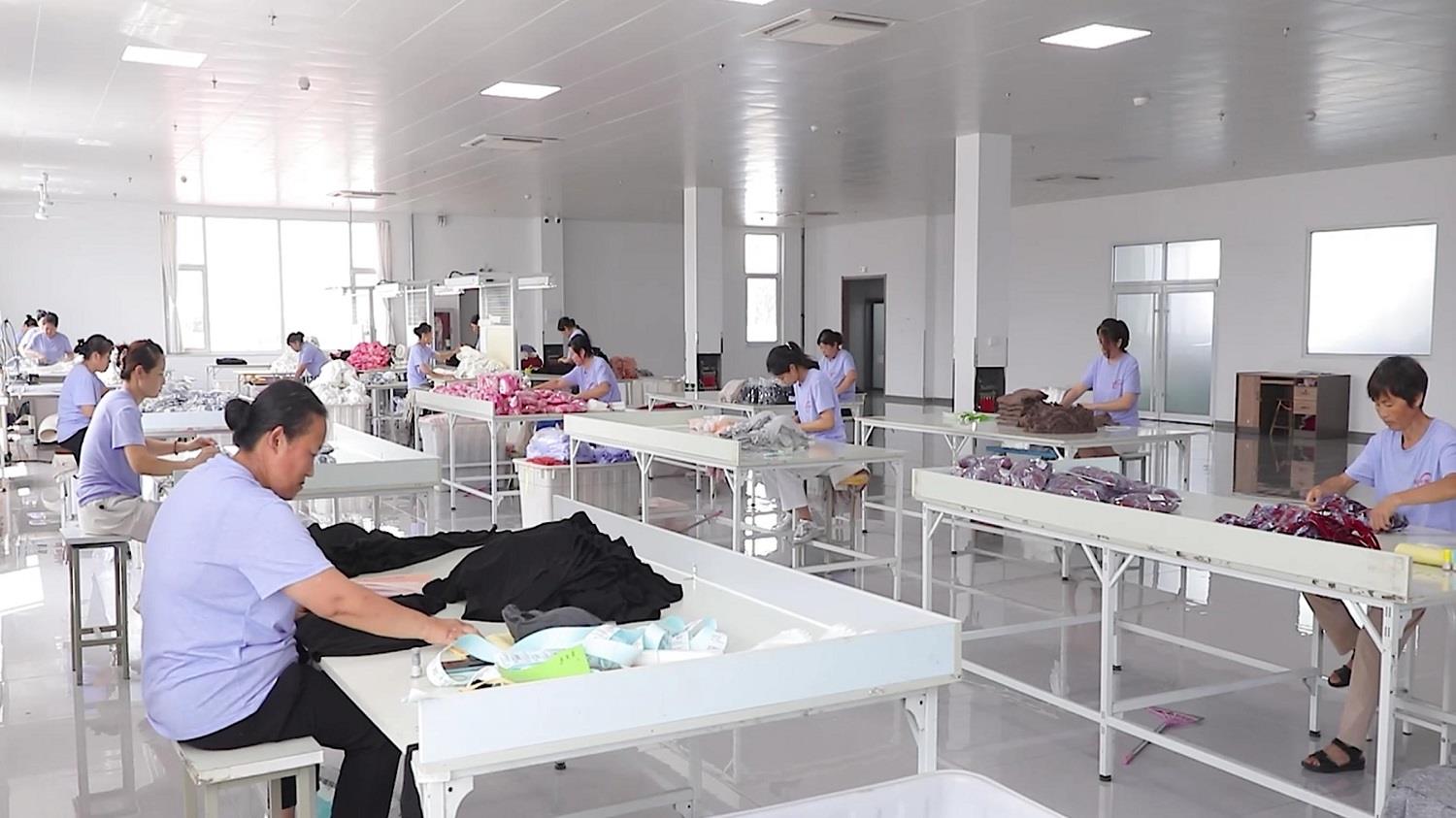
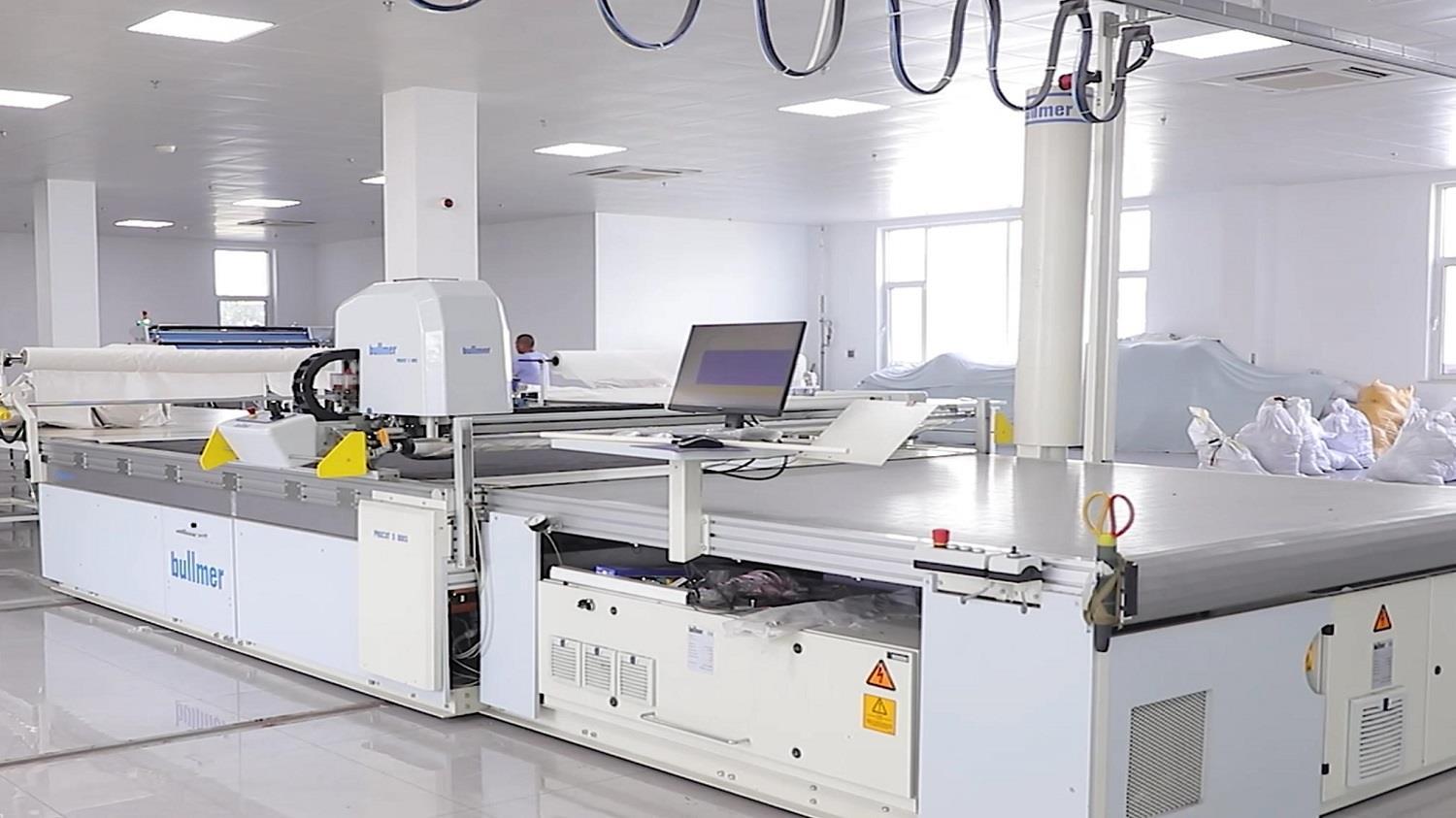
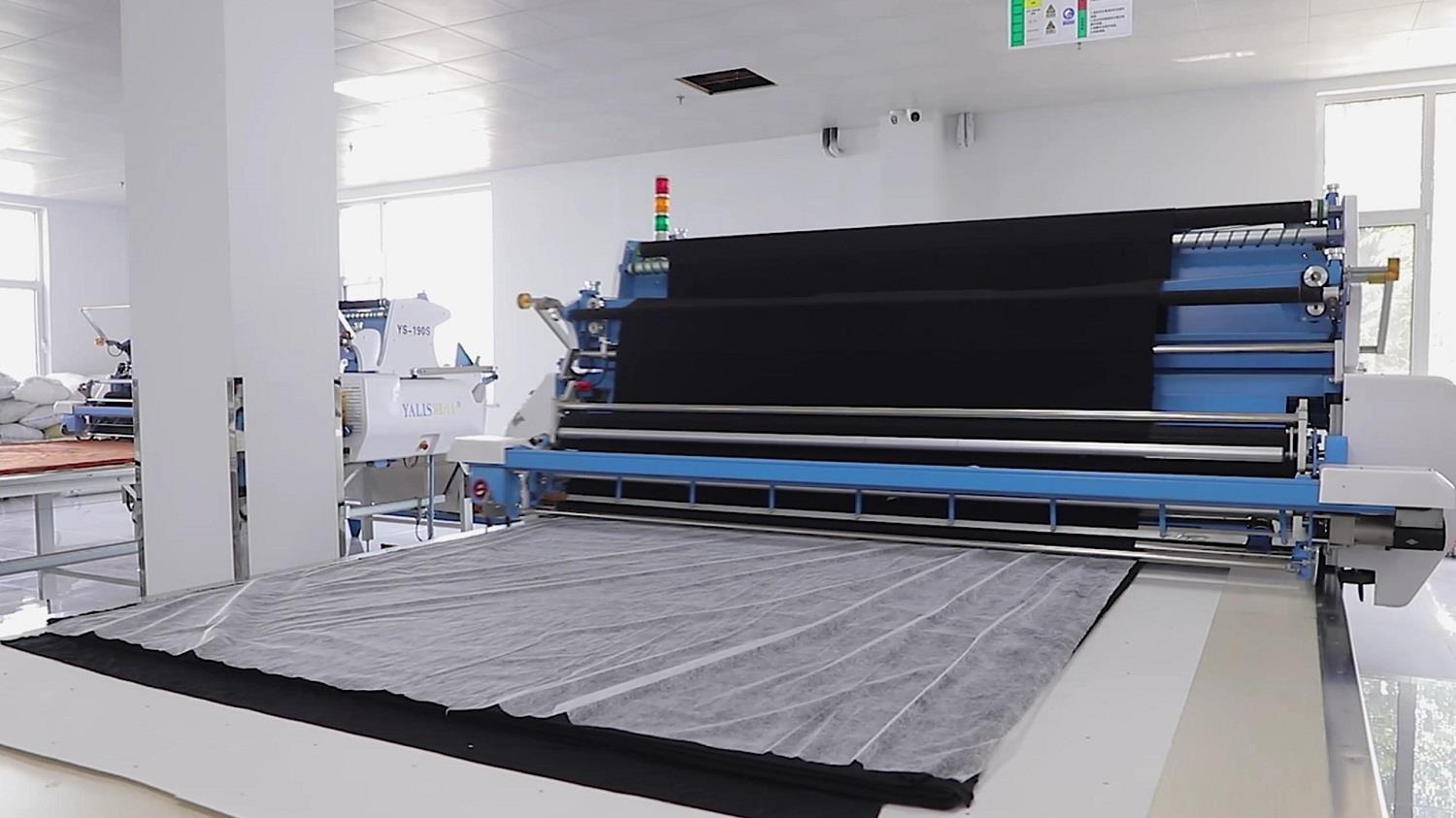
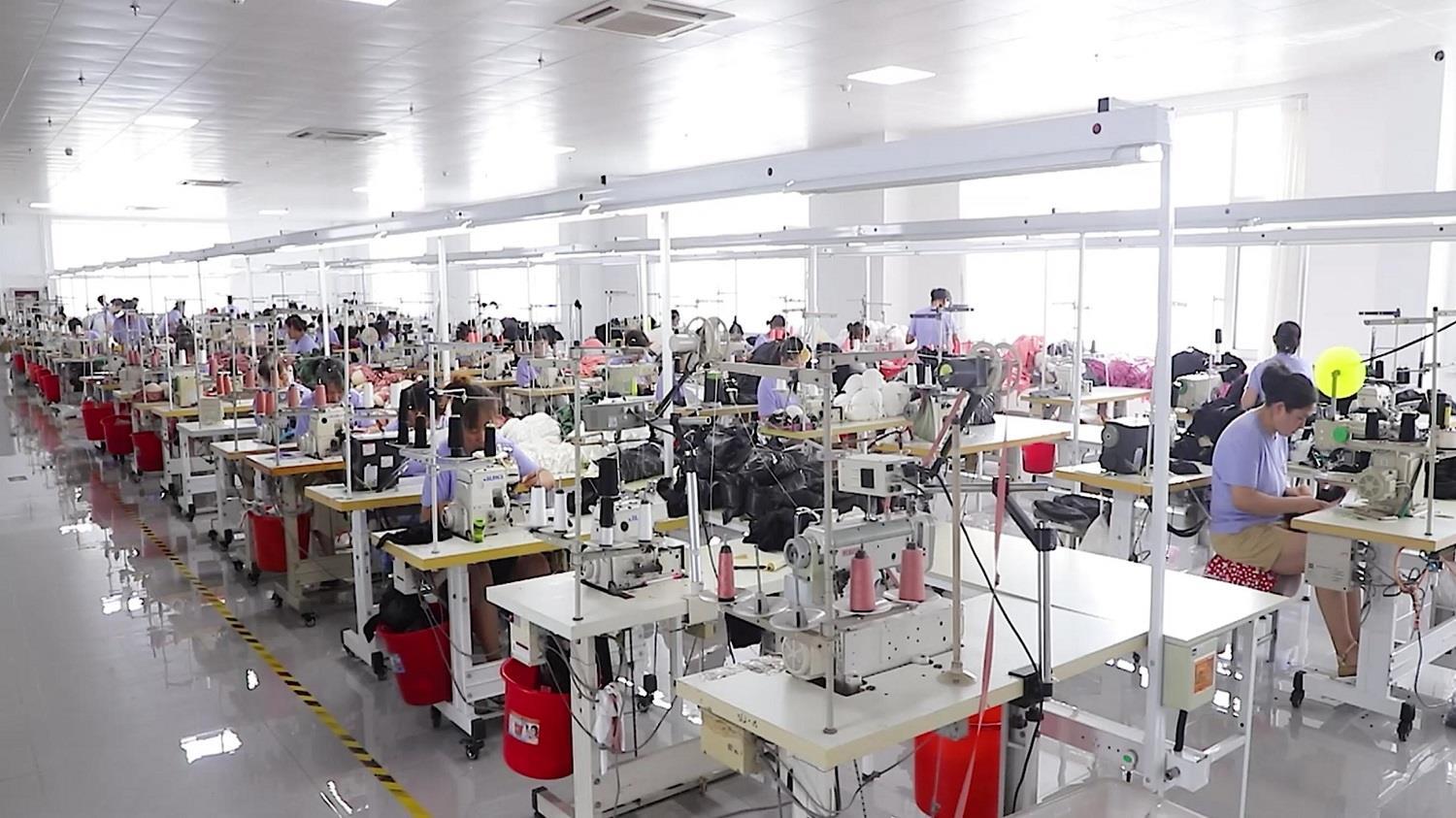
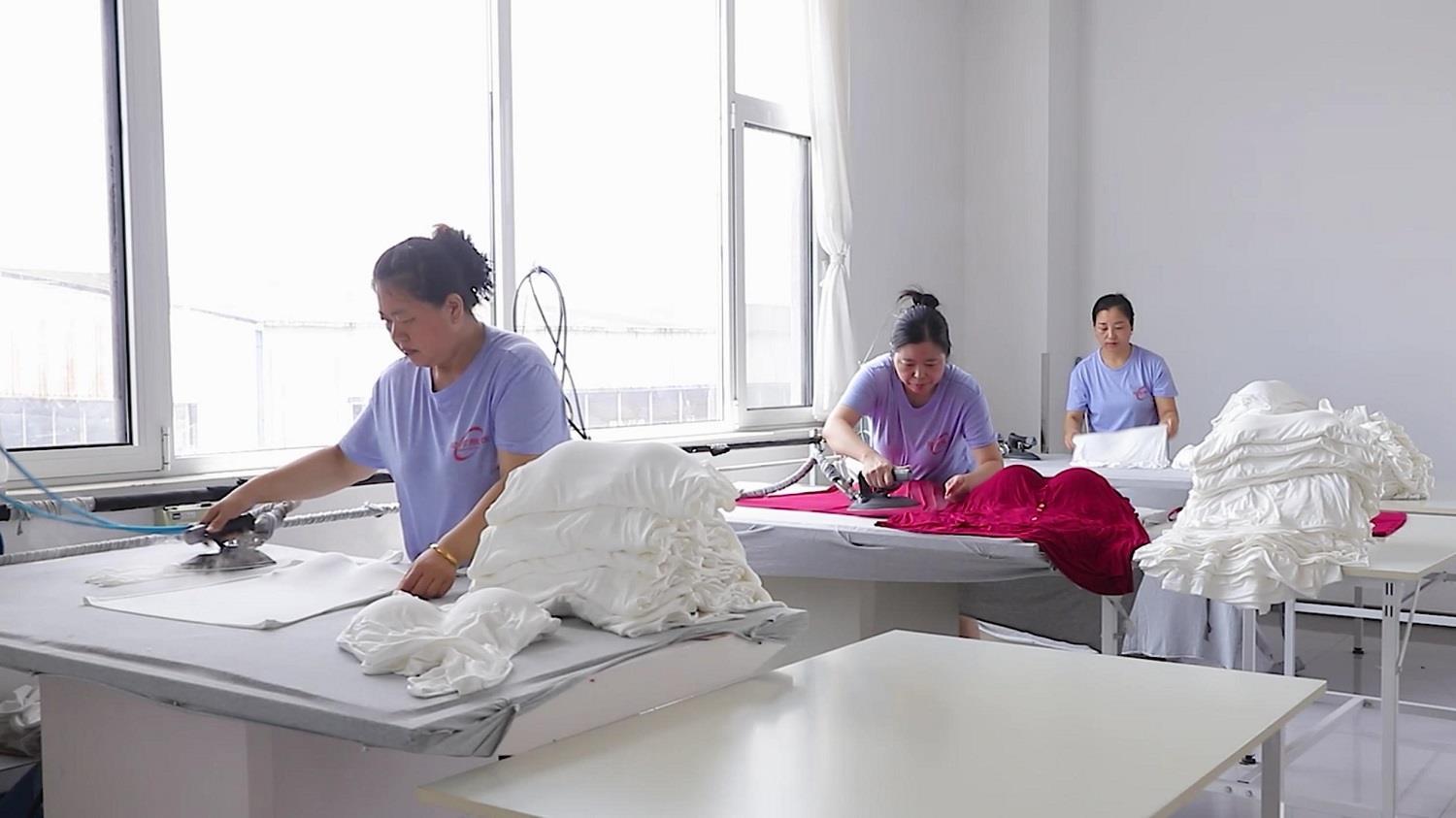
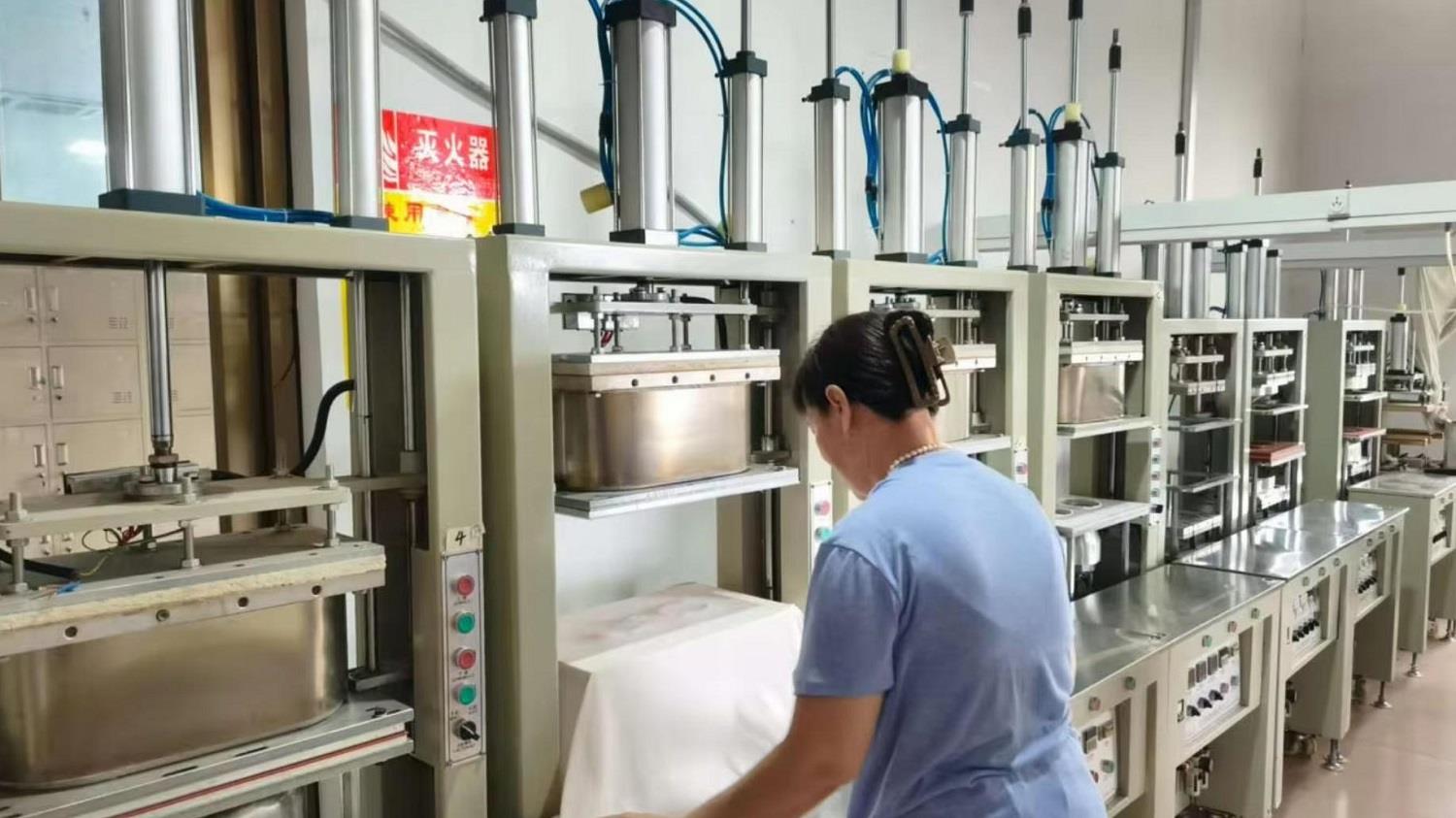
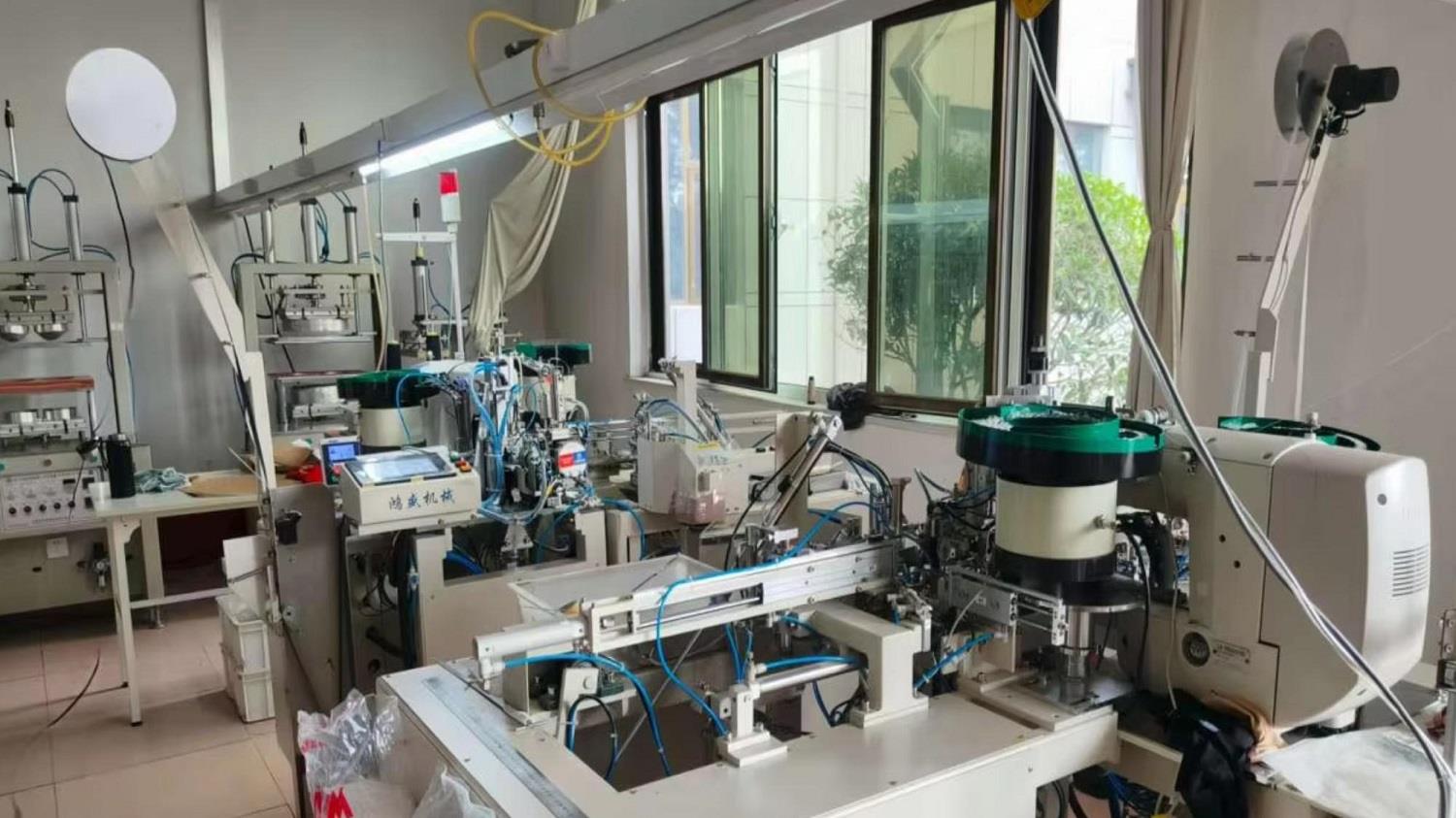
Zhejiang's apparel sector has transitioned from traditional labor production to tech-driven systems, setting standard yardsticks for manufacturing agility.
Deploying Manufacturing Execution Systems (MES) to track raw yarn allocation, knitting machine speeds, and linking cycles. Ensuring complete operational visibility for international audits.
Integrating 3D modeling programs to preview yarn fall and stretch characteristics, accelerating sample approvals and reducing prototype waste by up to 75%.
Based in the heart of Zhejiang's manufacturing cluster, providing rapid access to the world-class shipping complexes of Ningbo and Shanghai ports.
Sourcing agents look beyond immediate capacity, auditing how partners align with upcoming materials technology and manufacturing paradigms.
Smart knitwear incorporates thermoregulating additives. By infusing graphene elements or phase-change microcapsules directly into polyester/nylon cores, future turtleneck layers will actively store body heat and release it dynamically, creating true climate-adaptive apparel.
Seamless technology is evolving from circular knit undergarments into fully-finished heavy outerwear. Whole-Garment machines knit the entire turtleneck sweater in one continuous three-dimensional piece, eliminating bulk lines, side seams, and armhole linking errors.
With pressure to shift away from petroleum-based polyester, manufacturers are testing yarns made from PLA (polylactic acid derived from corn starch) and ocean-bound plastics. These materials maintain tensile strength and stretch profiles while enabling a circular fashion ecosystem.
How modern suppliers mitigate chemical output, water waste, and carbon footprints to align with global environmental mandates.
Supercritical CO2 dyeing processes remove water from the coloration loop, minimizing effluent discharge and reducing energy consumption by up to 50% compared to traditional dye baths.
Utilizing fabrics certified to be free of harmful allergens, heavy metals, and carcinogenic dyes, ensuring immediate compatibility with strict international product safety standards.
Integrating Global Recycled Standard (GRS) polyester, reducing landfill load while providing brands with eco-conscious marketing narratives and product integrity.
Ensuring manufacturing partners meet standard compliance benchmarks before confirming high-volume commercial contracts.
International brands prioritize compliance to protect brand equity. A valid factory partner must present clear documentation across multiple operational areas:
Cross-border garment sourcing requires clear communication, reliable shipping terms, and predictable import compliance pathways. Leading Chinese exporters secure client partnerships through dedicated international service teams that coordinate custom clearings, document preparation, and duty-optimized shipping schedules.
Whether arranging DDP air shipments for fast-turnaround e-commerce launches, or FOB shipping points out of Ningbo and Shanghai for high-volume sea freight, professional suppliers coordinate every stage. Partnering with a supplier that maintains trade certifications simplifies the customs process, protecting buyers from shipping delays and port inspections.
Technical answers regarding fabric weights, machine capabilities, and custom sweater manufacturing options.
The gauge (GG) refers to the number of needles per inch on the knitting machine. Lower gauges (like 3GG or 5GG) use thick yarns to produce heavy, chunky sweaters. Higher gauges (like 12GG or 14GG) use fine, thin yarns to create lightweight, soft, draping knits that are ideal for layering. Modern mills use computerized flatbeds to adjust gauge options and stitch variations based on the design sheet.
To maintain collar shape, mills feed a thin elastic fiber (such as Lycra or Spandex) alongside the main yarn during the rib-knitting process. We also use double-layered folding designs and heat-set the knit during final pressing to lock in recovery properties, keeping the collar snug after repeated wears and washes.
Minimum Order Quantities (MOQs) typically range from 500 to 1,000 pieces per style, depending on yarn availability. Custom dye lots for specialty yarns may require higher minimums, while in-stock yarns allow for smaller batch sampling (e.g., 100–300 pieces) to support growing brands.
Standard production cycles range from 30 to 45 days after the sample is approved. Fabric sourcing, pattern creation, and grading take 7–12 days, followed by knitting, automated sewing, and quality checks. Large-volume orders (e.g., 50,000+ pieces) are planned in stages through ERP systems to ensure on-time delivery.
Reputable manufacturers work with accredited spinning mills and request transaction certificates like GOTS (Global Organic Textile Standard), GRS (Global Recycled Standard), and OEKO-TEX Standard 100. This ensures raw materials are verified and compliant before knitting begins.
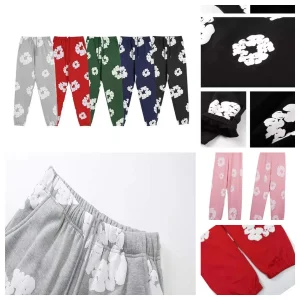
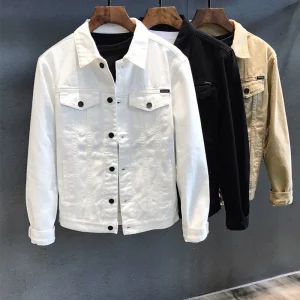
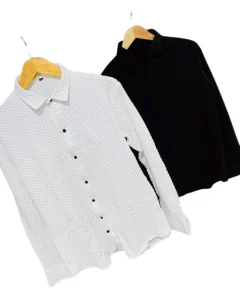
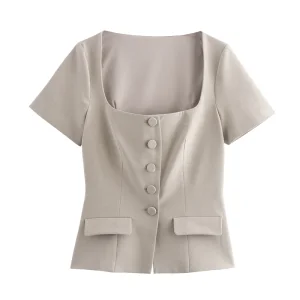
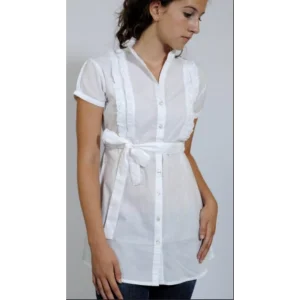
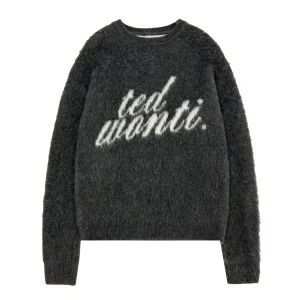
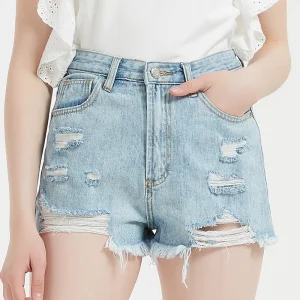
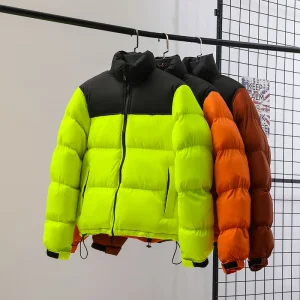
From classic winter denim and jackets to premium mohair pullovers and streetwear garments, our facility delivers high-quality apparel solutions.
 Orap Clothing