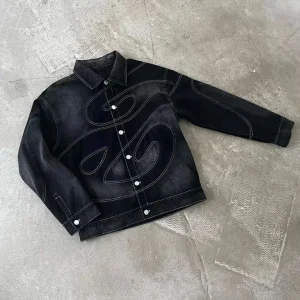
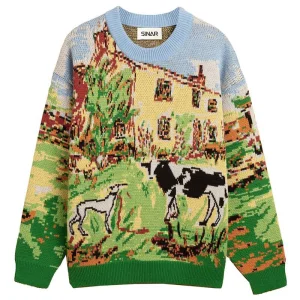
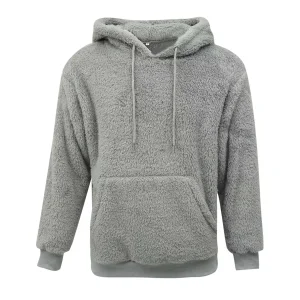
Top 10 Henley Shirt Manufacturers & Suppliers

The Ultimate Global Sourcing Guide & Industry Whitepaper for B2B Procurement and Private Label Apparel Brands

Global Henley Shirt Industry Overview & Commercial Dynamics

The Henley shirt, characterized by its collarless design and a placket featuring 2 to 5 buttons, has transitioned from its nineteenth-century origins as undergarments for English rowers in Henley-on-Thames to a foundational staple in modern menswear and activewear collections. Today, the global Henley shirt market operates at the intersection of sportswear utility and refined casual aesthetics. According to recent textile intelligence reports, the demand for premium knitted apparel, particularly high-GSM cotton and blended Henleys, is growing at a compound annual growth rate (CAGR) of 6.2%.
For global procurement managers, apparel brands, and retail chain buyers, selecting the right Henley shirt manufacturer requires a deep understanding of fabric weights (ranging from lightweight 160 GSM single jersey to robust 320 GSM waffle knits), fiber compositions, and specialized stitching processes. The structural integrity of the button placket, the color fastness of the reactive dyes, and the dimensional stability (shrinkage control) after washing are the core criteria that separate low-cost mass production from high-end premium supply chains.
100K+
Monthly Output (Pcs)
0.1mm
CNC Pattern Accuracy
100%
E-E-A-T Quality Inspection
24-Hr
OEM Sample Layout Response

Why Sourcing Henleys from Chinese Factories Delivers Peak Efficiency

While basic cotton assembly lines have shifted to various developing regions, China—specifically the textile manufacturing clusters in Zhejiang Province—remains the global epicenter for complex, high-quality knitwear manufacturing. The structural advantages offered by Chinese manufacturers go far beyond labor costs:
  • Vertical Supply Chain Integration: Spinning mills, dye houses, knitting mills, and accessory suppliers are geographically consolidated. This proximity minimizes raw material lead times and reduces transit-induced supply chain risks.
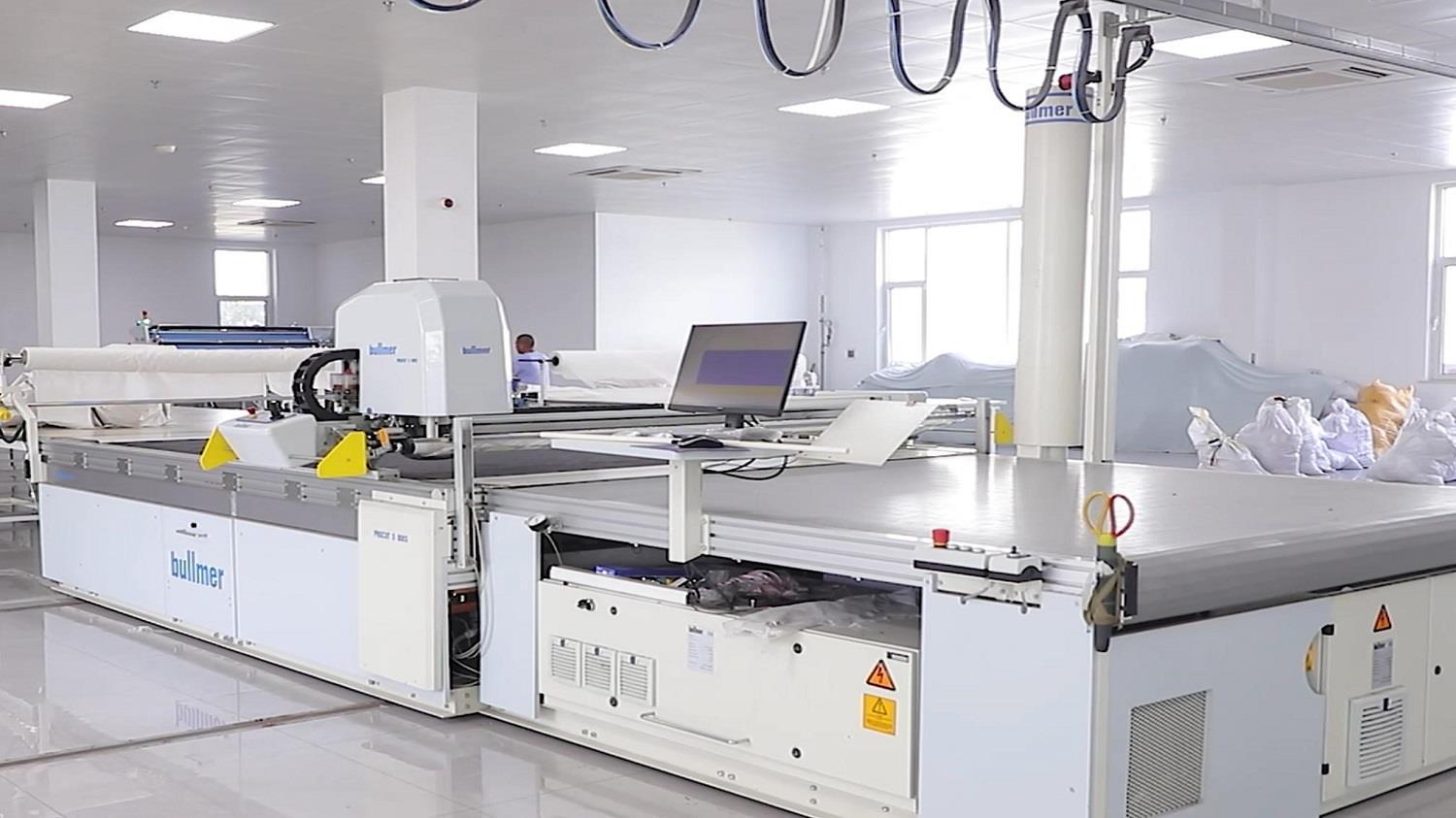
  • Advanced Automation: The utilization of automated cutting systems, computerized fabric inspection tables, and programmable buttonhole stitchers ensures unmatched repeatability across production runs of 1,000 to 100,000 units.
  • Sophisticated Fabric R&D: Zhejiang factories lead the development of specialized fabric blends, including modal-cotton, bamboo fiber, and performance polyester treated with silver-ion antimicrobial coatings.

Industrial Sourcing Criteria

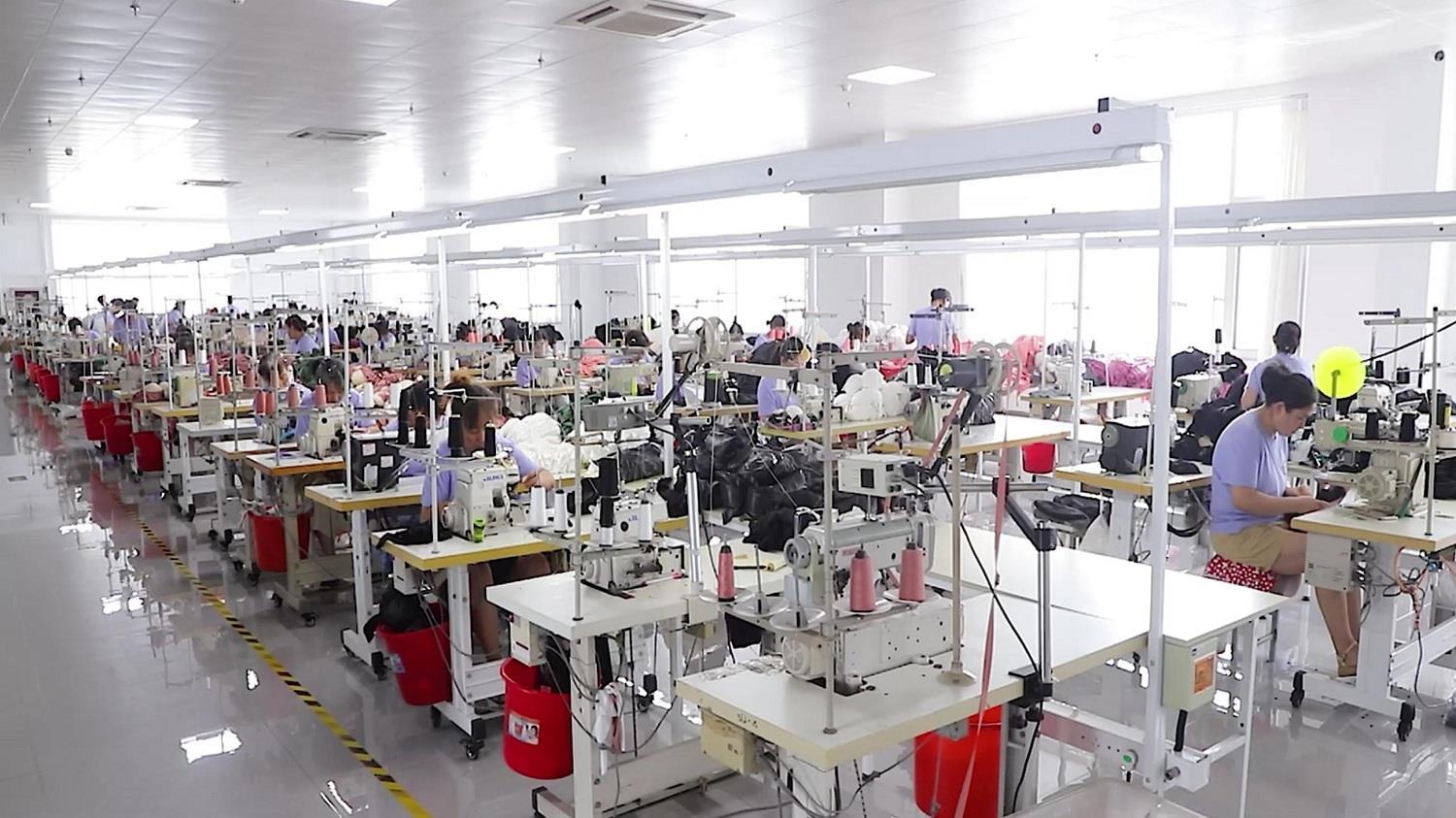
When auditing a prospective manufacturer, buyers must scrutinize their machinery infrastructure. High-speed lockstitch sewing machines, dedicated button-attaching systems, and professional steam pressing equipment are essential to prevent issues such as placket puckering, misaligned buttonholes, or fabric distortion during bulk manufacturing.

About Zhejiang Orap Clothing Co., Ltd.

Zhejiang Orap Clothing Co., Ltd. is a professional garment manufacturer specializing in apparel design, sample development, production, and global sales. Located in the heart of China’s textile manufacturing hub, Zhejiang Province, China, we are committed to providing high-quality clothing solutions for customers worldwide. Since our establishment, we have built a strong reputation for reliable manufacturing, competitive pricing, and excellent customer service.
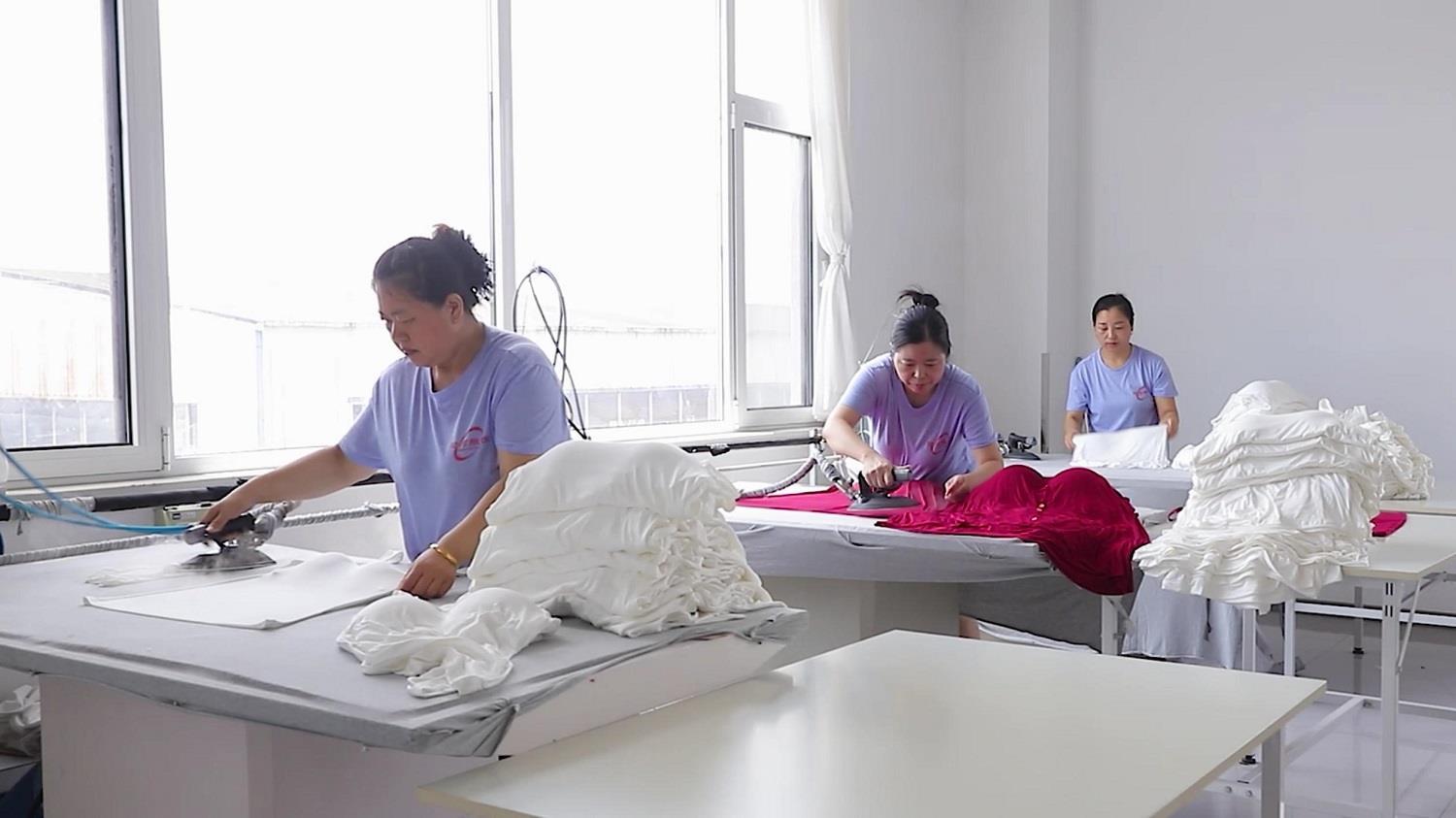
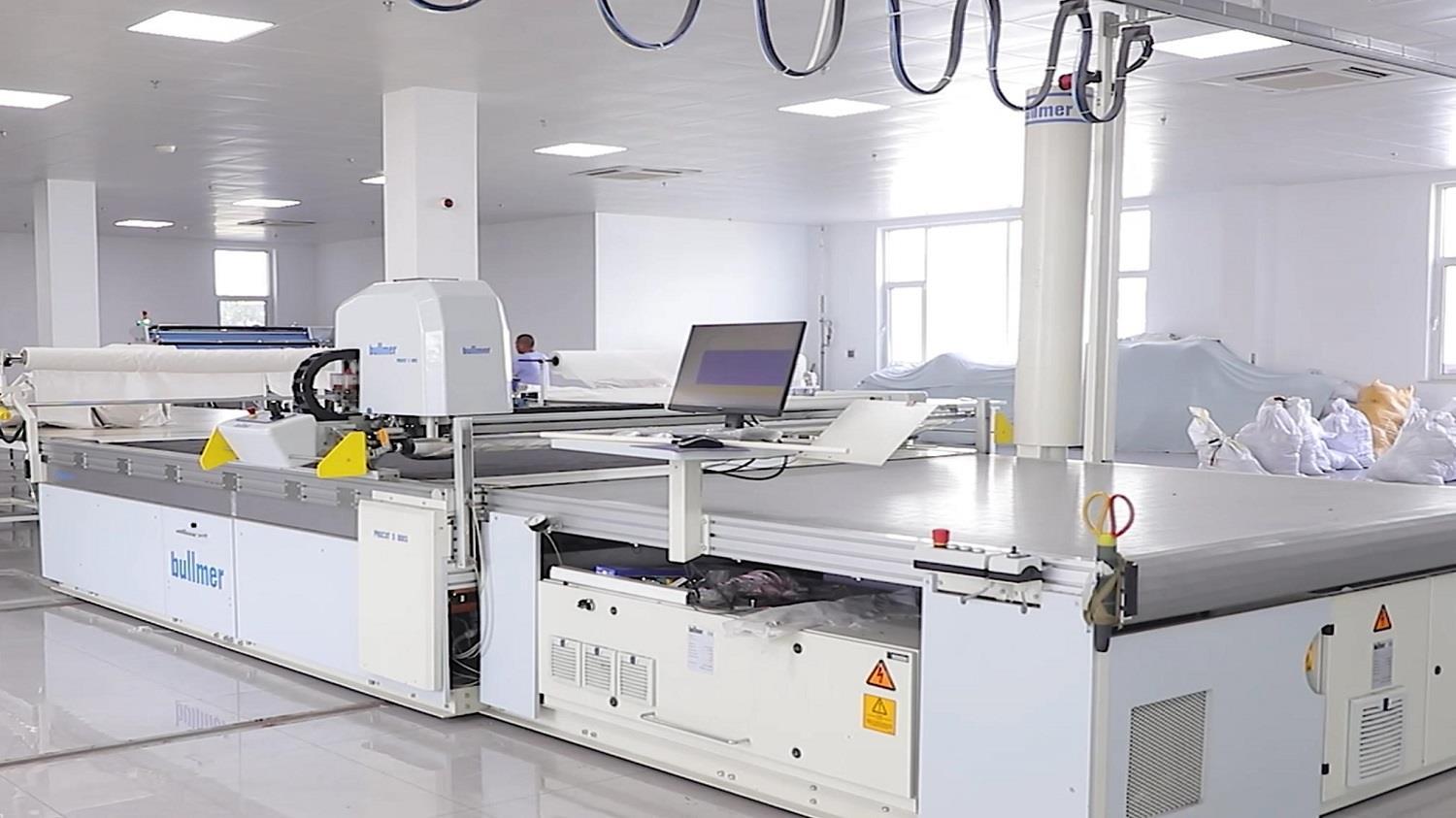
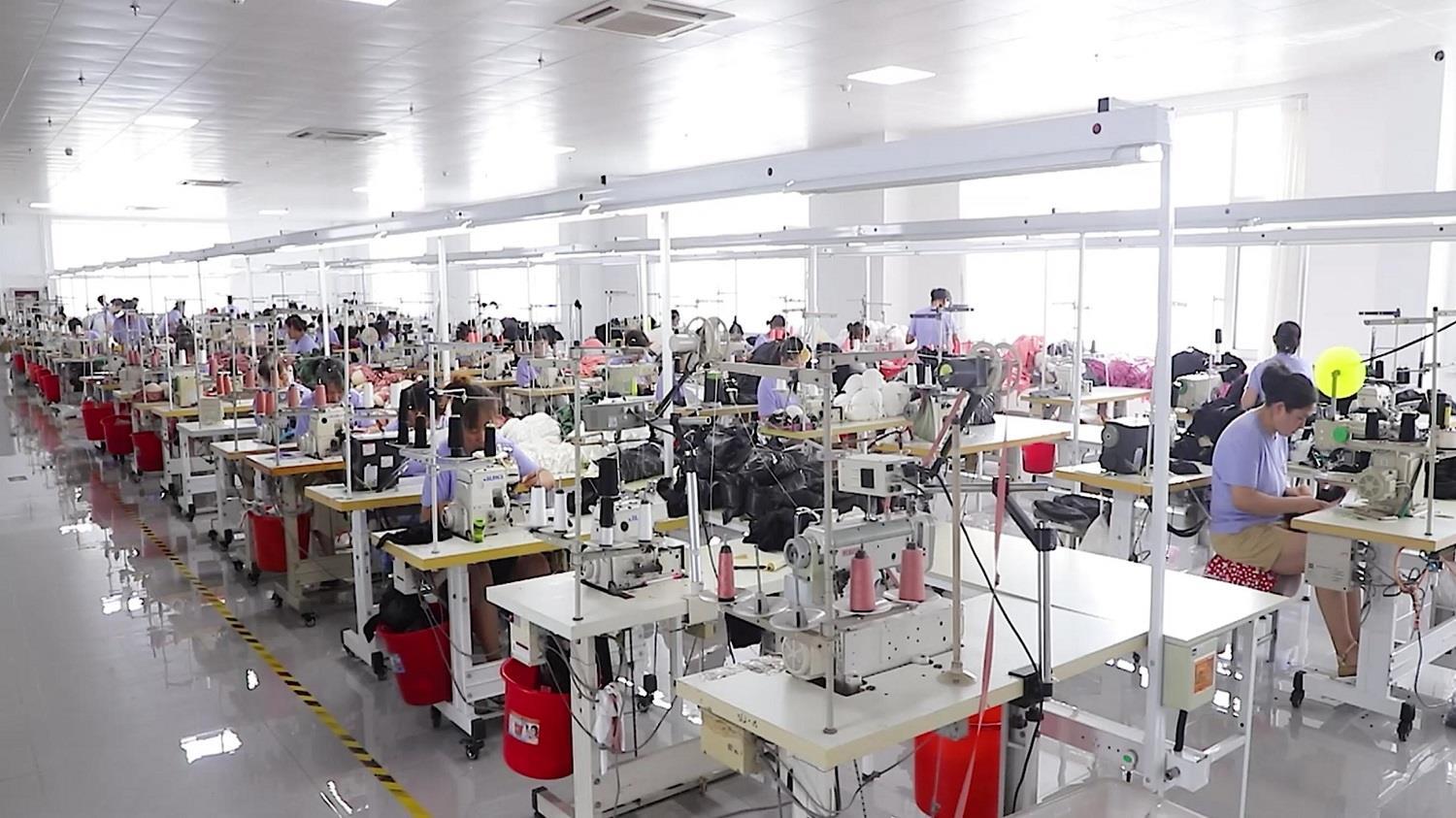
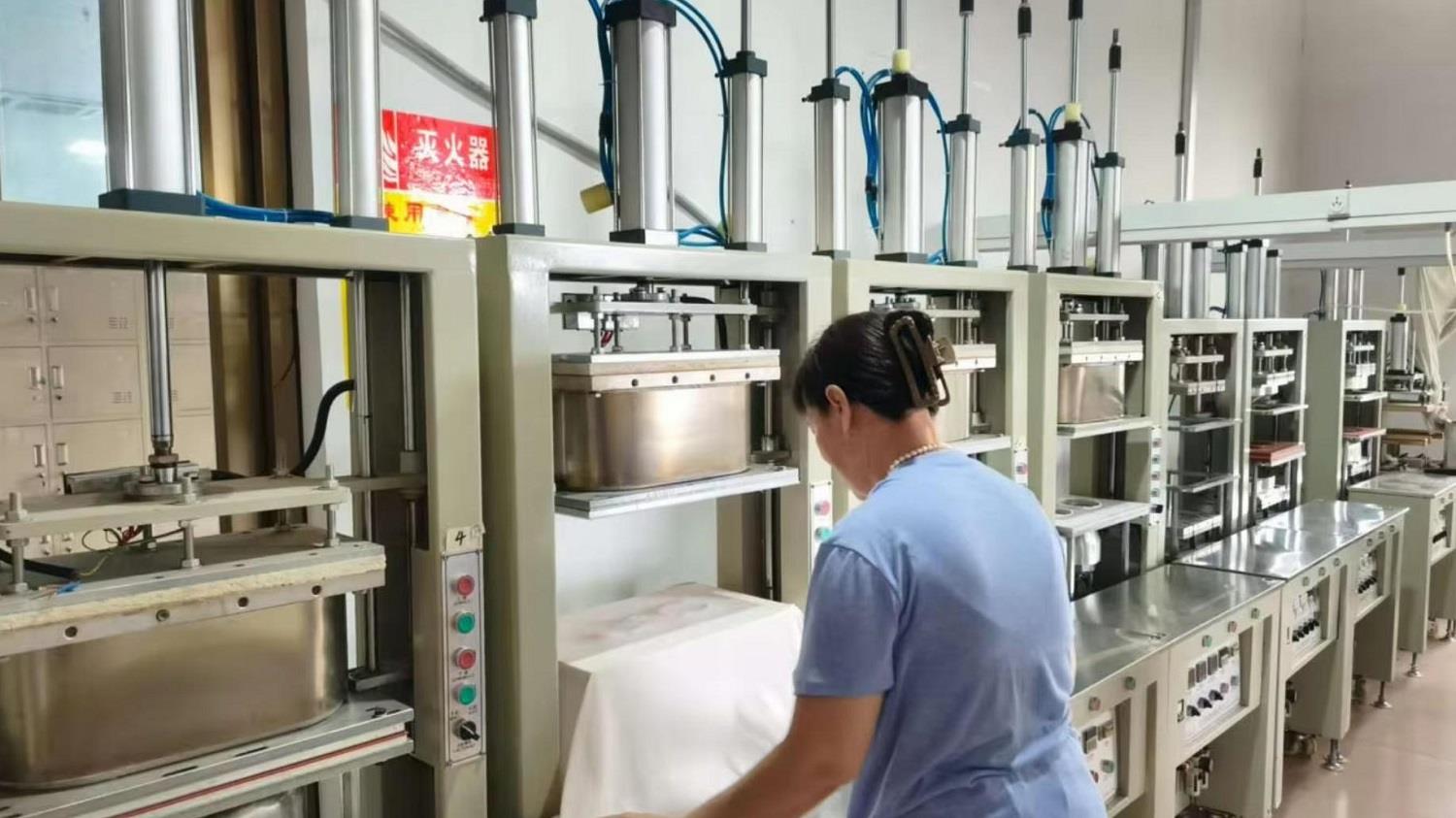
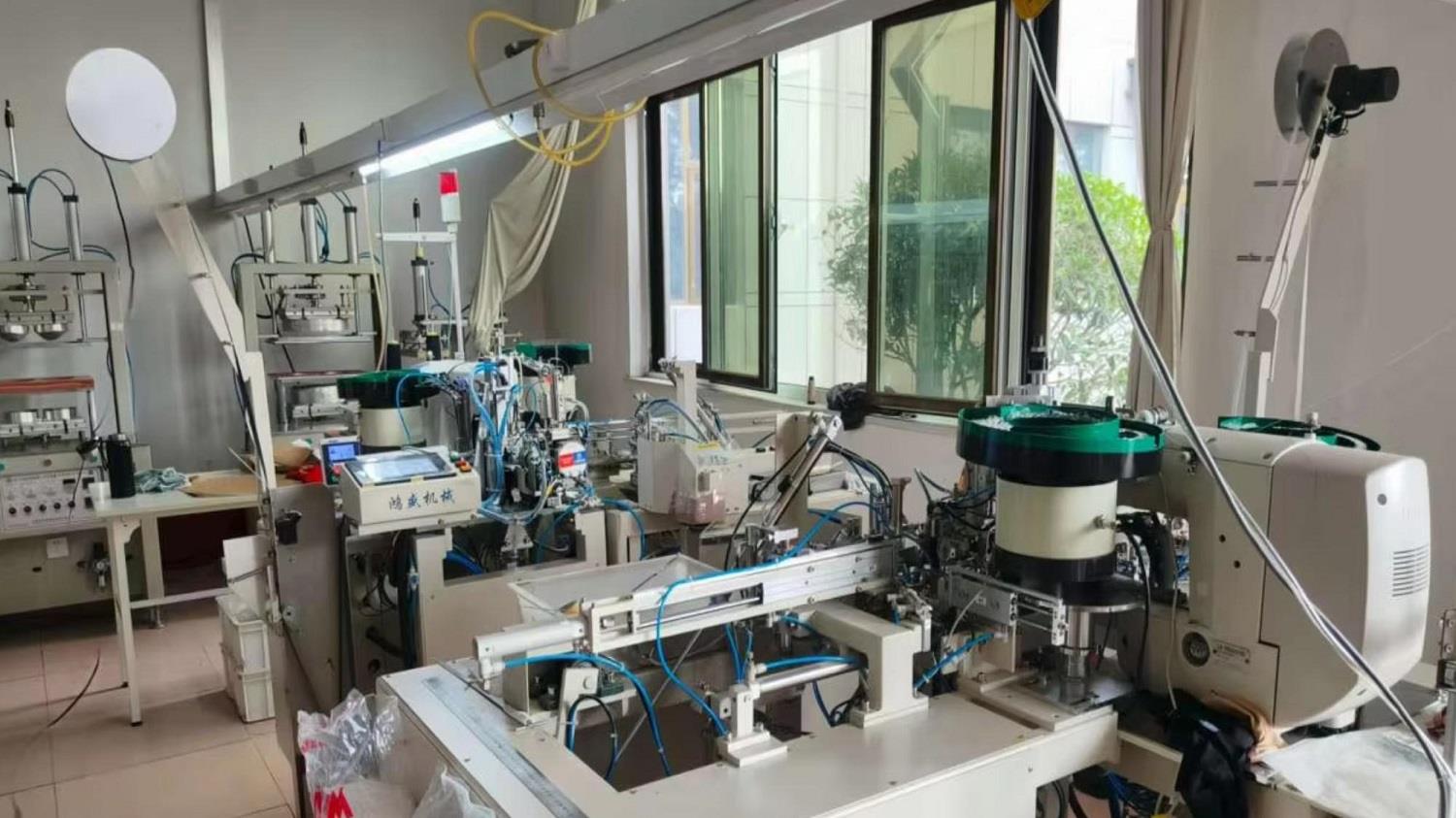
Our factory is equipped with advanced production equipment, including high-speed lockstitch sewing machines, overlock machines, double-needle sewing machines, buttonhole machines, button attaching machines, bartack machines, cutting tables, steam pressing equipment, and other specialized garment manufacturing facilities. These modern production lines enable us to efficiently handle a wide range of apparel categories while maintaining strict quality standards throughout every stage of production.
With an experienced team of designers, technicians, and skilled workers, Zhejiang Orap Clothing Co., Ltd. offers comprehensive OEM and ODM services. We work closely with fashion brands, wholesalers, retailers, and e-commerce businesses to transform ideas into high-quality finished products. From fabric sourcing and pattern making to sampling, bulk production, quality inspection, packaging, and shipment, we provide one-stop apparel manufacturing solutions.
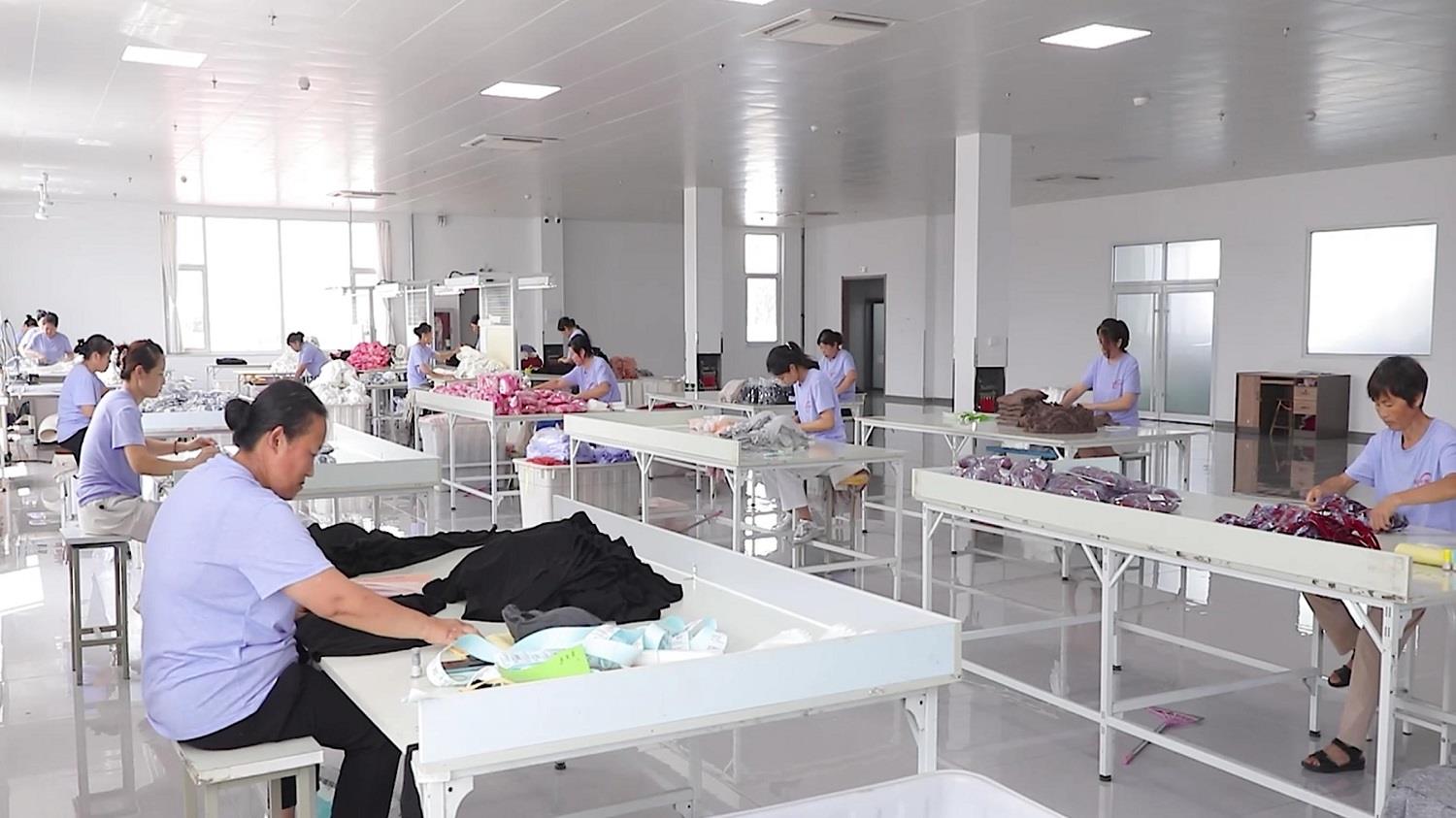
Our main product range includes casual wear, sportswear, hoodies, sweatshirts, T-shirts, jackets, pants, dresses, uniforms, and other customized garments for men, women, and children. We continuously invest in new technologies, production management, and quality control systems to ensure every product meets international standards and customer expectations. With a monthly production capacity of more than 100,000 pieces, we are capable of fulfilling both small-batch customization and large-volume orders while ensuring on-time delivery.

Standardized Apparel Production & QA Workflow
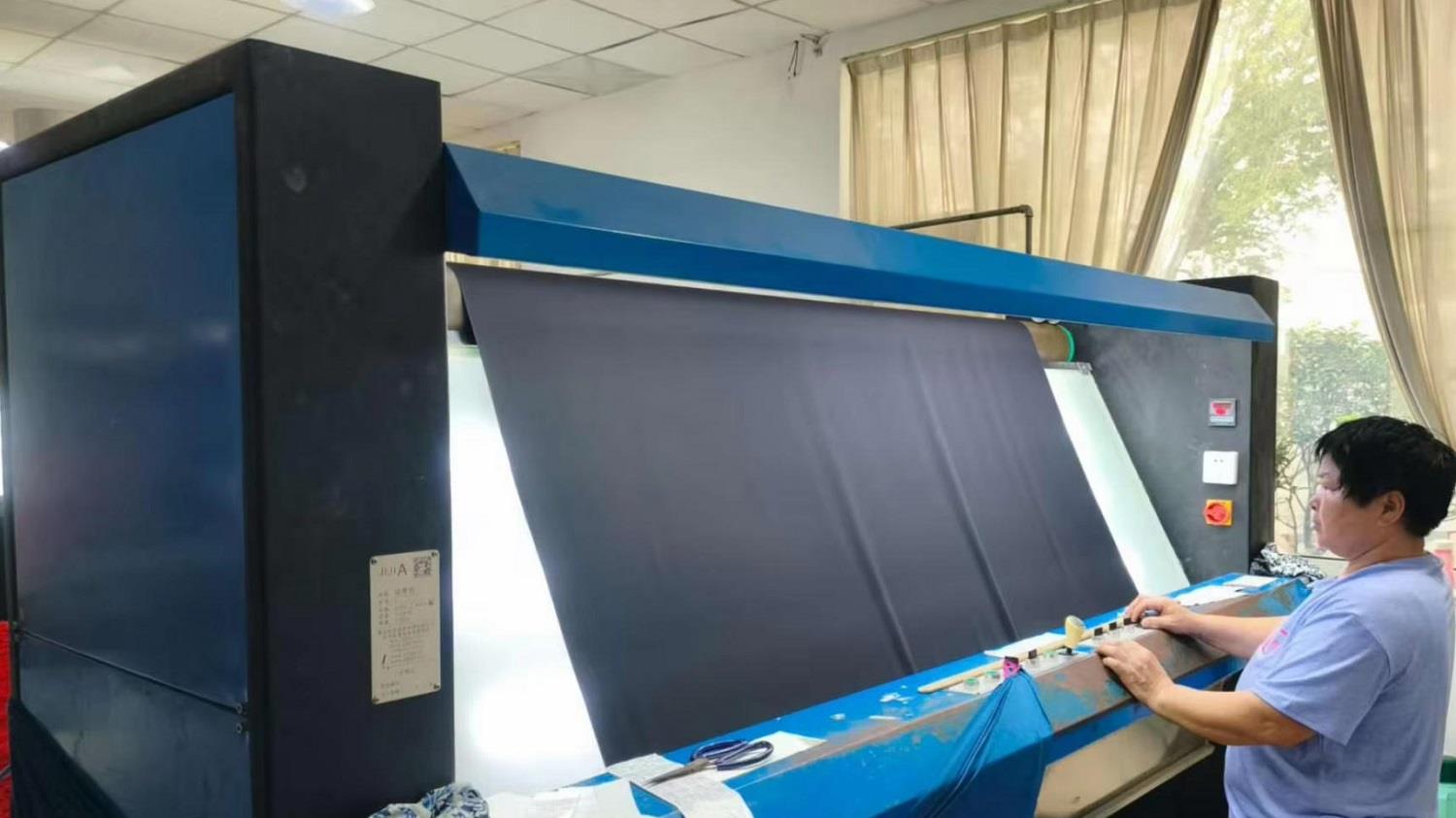
Cloth Inspecting
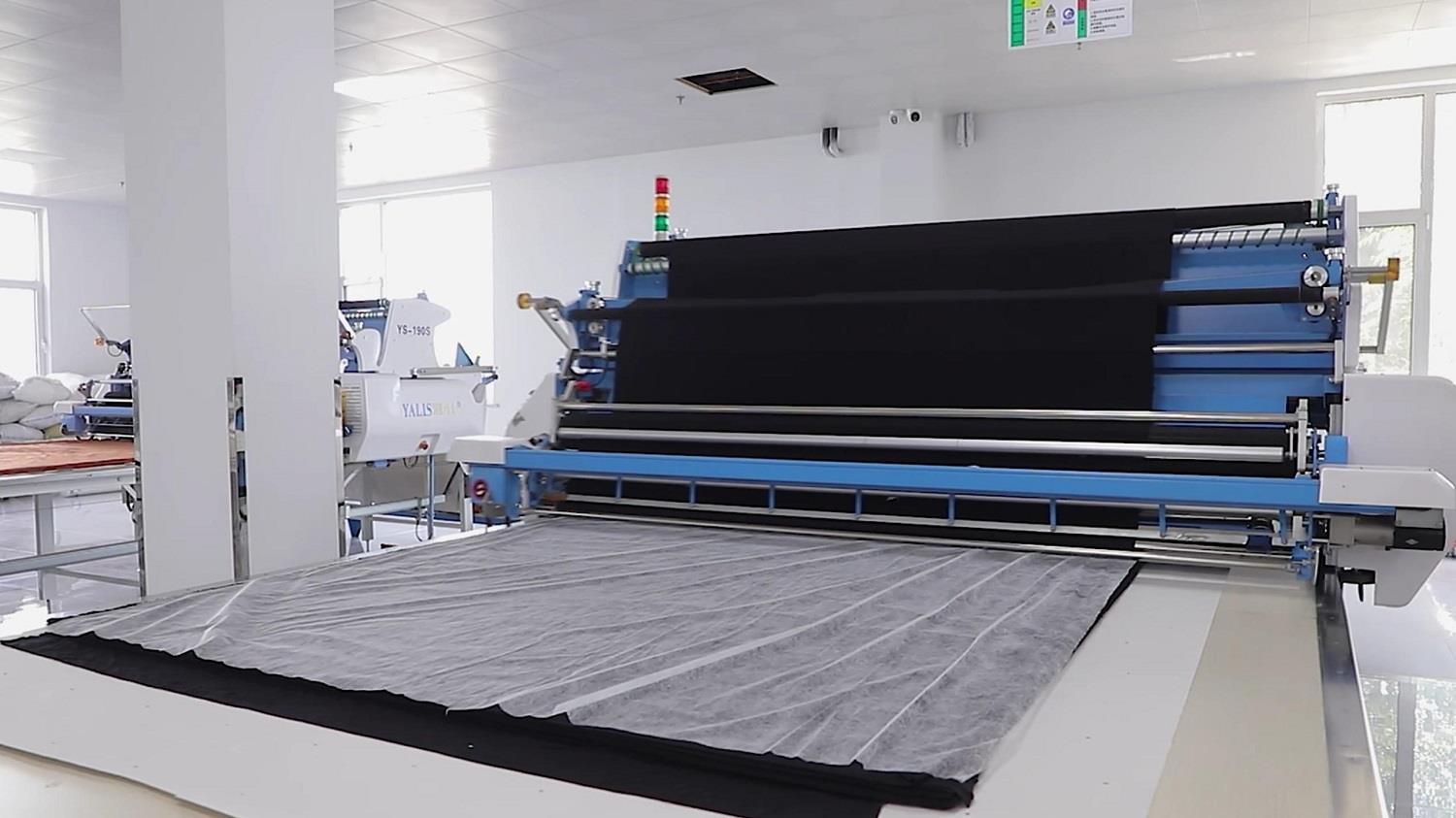
Cloth Inspecting
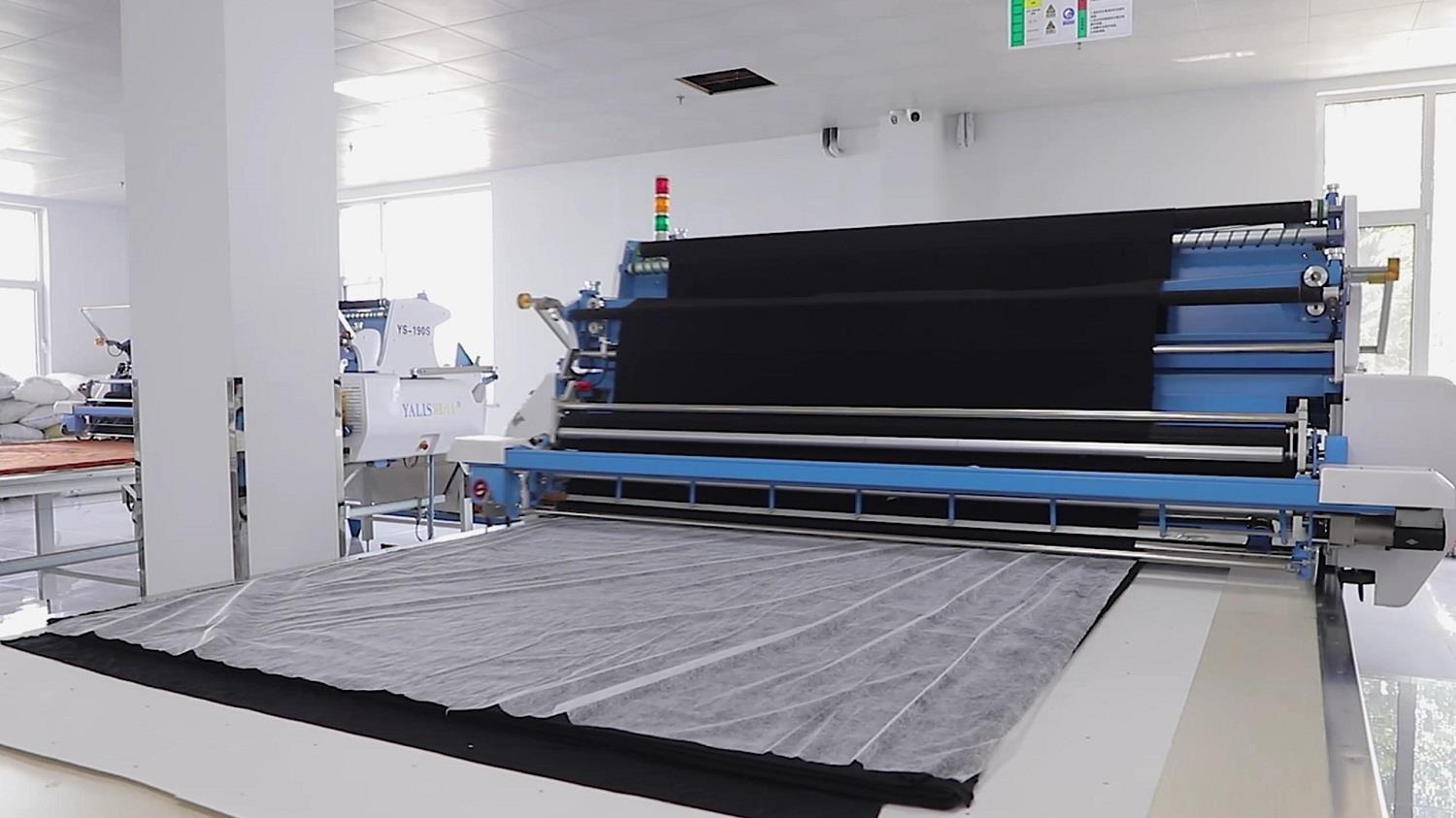
Laying
Laying
Cutting
Cutting
Sewing
Sewing
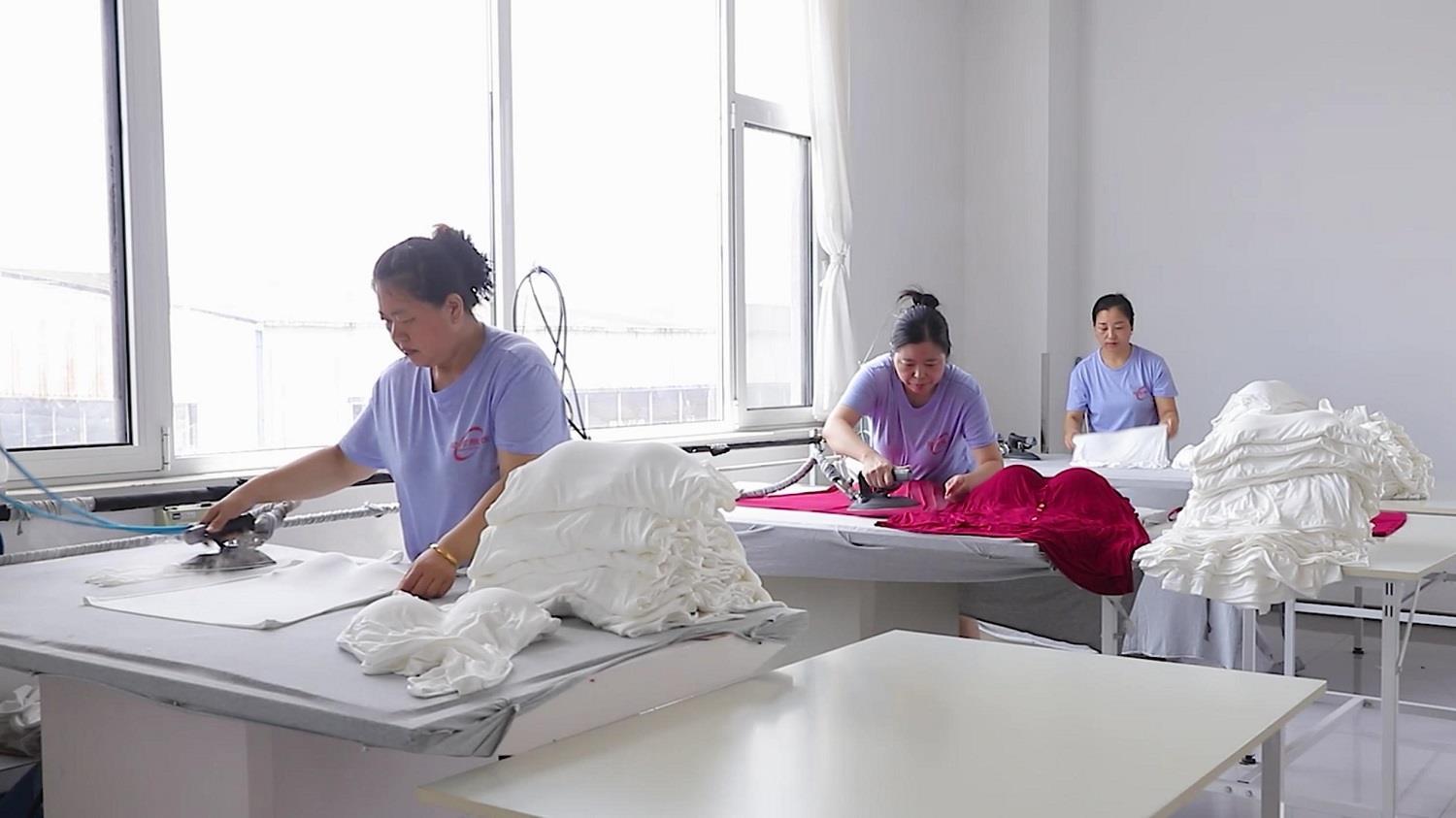
Ironing
Ironing
Packing
Packing

Industrial Infrastructure: Precision Automation Machinery

To maintain strict dimensional tolerances and meet rigorous global brand standards (such as Oeko-Tex and BSCI audits), Zhejiang Orap Clothing Co., Ltd. integrates high-precision, computerized machinery. Below are the core technical components driving our production lines:
Automatic Cutting Machine
Fabric Spreading Machine
Sewing Machine
Sewing Machine
Ironing Machine
Ironing Machine
Fabric Cup Shaping Machine
Automatic Belt Threading Machine

Geographic Sourcing Intent: Market Customization Needs

A successful Henley shirt sourcing strategy requires localized customization to align with distinct consumer segments in different regions:

North American Market

Demands heavy knit construction (220-300 GSM) with relaxed fit structures. Preference leans toward traditional waffle-knit patterns and pre-shrunk 100% carded cotton, suitable for workwear-inspired streetwear and rugged outdoor brands.

European Market

Emphasizes slim-fit silhouettes, lightweight jersey fabrics (160-200 GSM), and high sustainability compliance. Brands prioritize organic combed cotton, lyocell, or bamboo blends, requiring GOTS or Oeko-Tex certifications.

APAC / Tropical Zones

Requires quick-dry, moisture-wicking properties. Fabric blends integrating performance polyester, nylon, and elastane are popular here for athletic, gym-wear, and athleisure-focused Henley lines.

Apparel Innovations & Sustainable Sourcing Trends (2025-2026)

The global apparel sector is experiencing a paradigm shift towards circular economy practices and high-performance functional textiles. For sourcing directors evaluating Henley shirt suppliers, incorporating these upcoming trends is key to maintaining a competitive edge:
1. Sustainable and Biodegradable Fibers: Conventional cotton is rapidly being replaced by organic alternatives, hemp blends, and bamboo-derived viscose. Bamboo-cotton blends, in particular, offer natural hypoallergenic properties, dynamic temperature regulation, and a luxuriously soft hand-feel that elevates the premium positioning of a brand's product lines.
2. Anti-Wrinkle and Low-Shrinkage Treatments: Modern consumers expect garments to require minimal maintenance. Advanced garment dye processes and liquid ammonia finishes yield knit fabrics with superior dimensional stability, ensuring the Henley collar and placket retain their shape and do not distort after multiple home laundry cycles.
3. Smart Casual & Office-Leisure Integration: The distinction between professional workwear and weekend casual wear has blurred. Structured interlock Henleys featuring clean, hidden-button plackets and mercerized cotton finishes are gaining traction as polished, comfortable office-ready garments.

Sourcing & Production FAQ: Industry Insights

What are the primary factors affecting Henley shirt manufacturing costs?

Manufacturing costs are primarily influenced by fabric weight (GSM), fiber composition (e.g., 100% organic cotton vs. tri-blends), placket design complexity, and button selection (plastic, wood, coconut shell, or metal snap fasteners). Additionally, custom dye techniques like pigment washes or acid washing add processing steps that increase the overall unit cost.

How do you prevent the button placket from warping or puckering after washing?

Placket warping is prevented by applying high-quality woven fusible interlining inside the placket layers before sewing. This reinforces the structure. Furthermore, pre-shrinking the fabric during the finishing process ensures that the knit body and the placket warp at uniform rates.

What is your typical OEM/ODM production lead time?

For standard OEM orders using available catalog fabrics, production requires approximately 25 to 35 days post-sample approval. Custom fabric knitting and yarn-dyeing runs require an additional 15 to 20 days. Zhejiang Orap’s automated workflow helps minimize delays to guarantee on-time port delivery.

Can you accommodate low-MOQ runs for emerging e-commerce brands?

Yes. While our optimal capacity fits high-volume manufacturing, our flexible production setup supports low-MOQ runs of custom apparel to help brands test new colors and sizes with minimal inventory risk.