Top 10 Neutral Clothing Mix and Match Ideas?

Time:2026-09-20 Author:Isabella
0%

Neutral clothing can look effortless, yet thoughtful styling makes the difference. This guide explores the top 10 neutral clothing mix and match ideas for everyday wardrobes. It focuses on practical choices, not fleeting trends.

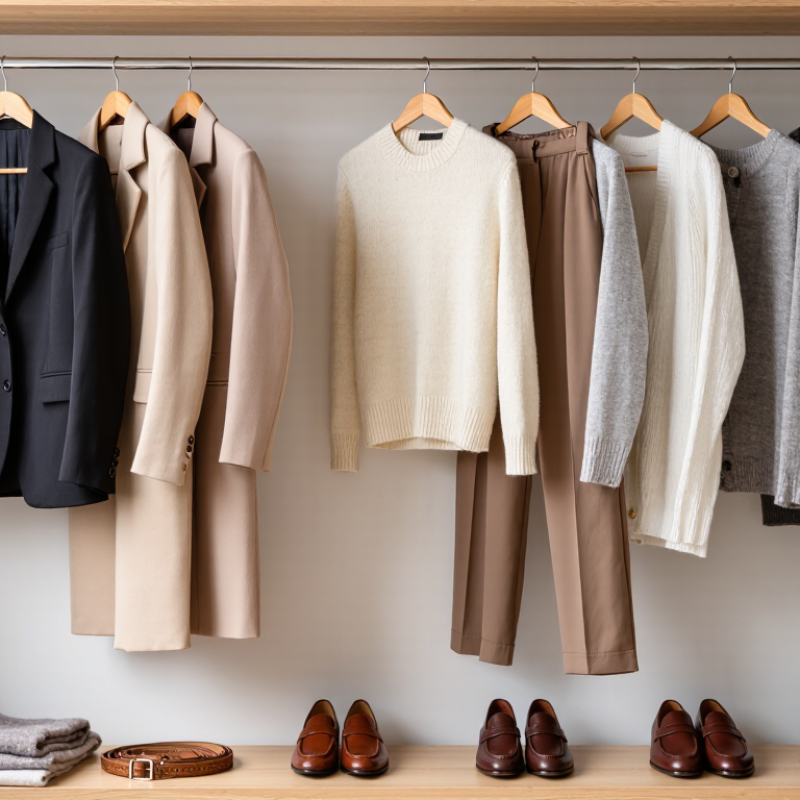
Learning how to mix and match neutral clothing items starts with understanding tone, texture, and proportion. Cream, beige, taupe, gray, black, and soft white can create a polished outfit without looking flat. Try a cream knit with straight-leg taupe trousers and brown leather loafers. Add a structured black blazer when the outfit needs sharper definition. Small details matter. A woven belt, ribbed fabric, or brushed wool can give simple colors more depth.

Not every combination works perfectly. I still find some beige shades look dull under cold indoor lighting. That is useful feedback. Check outfits near a window before leaving home. Warm neutrals often suit golden undertones, while cooler grays may complement pink or neutral skin tones. Personal contrast also matters. Someone with dark hair may prefer stronger color separation, while softer features can harmonize with blended shades.

The ideas ahead balance comfort, coordination, and repeat wear. They suit office mornings, weekend errands, travel days, and relaxed dinners. You will see how one neutral piece can support several outfits. That approach saves time and reduces unnecessary purchases. Keep experimenting. Good style often develops through small adjustments, not perfect planning.
Top 10 Neutral Clothing Mix and Match Ideas?

Understanding Neutral Color Palettes for Everyday Outfits

Top 10 Neutral Clothing Mix and Match Ideas

Understanding Neutral Color Palettes for Everyday Outfits

Neutral dressing begins with more than black, white, and beige. It includes taupe, camel, ivory, gray, olive, navy, and soft brown. These shades create a practical base for everyday outfits. Try these combinations: ivory and camel, charcoal and gray, navy and white, beige and olive, brown and cream, black and taupe, gray and navy, sand and denim, cream and chocolate, or stone and muted green.

Texture prevents neutral outfits from looking flat. Pair a ribbed ivory sweater with smooth gray trousers. Add suede-like brown shoes or a woven belt for contrast. A loose linen shirt can soften structured pants. Keep one color dominant, then use a nearby shade for depth. Three tones are usually enough. Too many similar colors may look accidental.

Consumer research supports this approach. The 2024 ThredUp Resale Report projects the global secondhand apparel market could reach 350 billion dollars by 2028. Versatile clothing may support longer wear and more outfit combinations. WRAP’s Valuing Our Clothes report found that extending a garment’s life by nine months can reduce its carbon, water, and waste footprints by about 20 to 30 percent. These figures do not make every purchase sustainable. They do encourage better use of existing clothes. I still break my palette rules sometimes. A bright scarf can rescue a dull morning. Even neutrals need a little disagreement.

Choosing Essential Neutral Clothing Pieces

Neutral clothing works best when every piece earns its place. Choose ten reliable essentials: an ivory T-shirt, a beige button-up shirt, a cream knit sweater, gray jeans, black trousers, taupe chinos, a camel cardigan, a structured neutral blazer, a simple midi skirt, and clean white sneakers.

Start with texture, not decoration. Pair a smooth cotton T-shirt with brushed wool trousers for contrast. Add a loose cardigan when the outfit feels too sharp. A tucked shirt and high-waisted trousers create a clear shape without excessive styling. For a softer look, combine gray denim with a cream sweater and brown leather-free loafers. Small differences matter. Warm beige suits earthy colors, while cool gray often balances black and white better.

Fit still matters most.

From my styling experience, neutral outfits can look expensive or completely flat. The difference often comes from fabric weight, hem length, and careful layering. I once matched several pale pieces without checking their undertones, and the result looked dull under indoor lighting. That mistake taught me to test colors near a window. Neutral does not mean invisible. A textured knit, rolled sleeve, or slightly unexpected proportion can add personality. Still, resist buying every shade of beige. A smaller wardrobe with pieces you genuinely wear is usually more useful than a perfect-looking collection.

Top 10 Neutral Clothing Mix and Match Ideas

Choosing essential neutral clothing pieces makes outfit planning easier. This chart shows the estimated number of compatible pairings for each item within a practical 10-piece neutral capsule wardrobe.

Pairing counts are based on combinations with the other neutral tops, bottoms, and layering pieces in the capsule wardrobe.

Creating Balanced Outfits with Layering and Texture

Top 10 Neutral Clothing Mix and Match Ideas?

Creating Balanced Outfits with Layering and Texture

Neutral outfits look polished when their layers differ in weight, finish, and shape. Start with an ivory cotton T-shirt under a stone overshirt. Add straight-leg trousers for a clean proportion. Pair an oatmeal knit with a crisp white shirt, leaving the collar visible. The contrast feels quiet but intentional. A taupe blazer over a soft gray tank creates a third-layer structure. Keep the trousers darker to ground the outfit. Try a cream cardigan with black trousers for a sharper texture change. The cardigan softens the tailored fabric without looking careless.

Texture does the heavy lifting. Combine a sand-colored trench coat with a gray hoodie, then add smooth leather-like shoes. Wear an ecru denim jacket over a beige ribbed dress for balanced casual depth. Mix a camel sweater with charcoal wool trousers; the warm and cool neutrals prevent the outfit from appearing flat. A white linen shirt under a mocha vest offers breathable layering for mild weather. For the tenth idea, wear a light-gray turtleneck beneath a loose beige shirt, and finish with dark-brown trousers.

Check the mirror from the side. Layering can add bulk quickly. I sometimes choose one layer too thick. That mistake is useful. If the shoulders feel crowded, remove the middle piece or select a finer knit. Keep hems slightly visible, but avoid equal lengths. Natural fabrics often crease, and that is not always a flaw. Still, inspect collars, cuffs, and trouser breaks before leaving home. Small texture changes can make neutral clothing feel deliberate rather than unfinished.

Mixing Neutral Shades for Different Styles and Occasions

Top 10 Neutral Clothing Mix and Match Ideas

Mixing Neutral Shades for Different Styles and Occasions

Neutral dressing becomes more interesting when shades vary in depth, temperature, and texture. Try ivory with camel for a polished office outfit. Pair beige with crisp white for a relaxed weekend look. Taupe and soft gray create a quiet, modern style. Charcoal with black feels sharper for evening events. Cream and navy offer a dependable choice for travel or business meetings. Olive and sand add an earthy, casual mood. Chocolate brown with ecru looks warm during colder months. Stone with black suits a simple city outfit. Gray and beige balance cool and warm tones. Layer different chocolate shades for a rich monochrome effect.

Fabric matters as much as color. A cotton shirt can soften structured trousers, while a knitted vest adds useful depth. I often place the lightest shade near my face. It makes tired skin look brighter in natural daylight. Check the outfit beside a window before leaving. Indoor lighting can hide strong color differences.

Avoid matching every neutral perfectly. That can look flat. A slightly faded belt or uneven texture may add character. I once combined gray, beige, and cream without checking their undertones. The result looked dull, not refined. Now I keep one clear contrast, such as dark shoes or a textured bag. This small adjustment helps neutral outfits feel intentional across workdays, dinners, and informal occasions.

Adapting Neutral Looks Across Seasons and Dress Codes

Top 10 Neutral Clothing Mix and Match Ideas?

Adapting Neutral Looks Across Seasons and Dress Codes

Neutral clothing works best when texture, proportion, and temperature change together. Try an ivory knit with charcoal trousers, or a taupe overshirt over black denim. Sand-colored cotton shirts suit cream jeans in spring. In summer, pair stone linen with espresso accessories. Autumn welcomes camel layers over grey tailoring. Winter needs contrast, such as a black coat over oatmeal knitwear.

For business settings, combine navy-grey trousers with a soft beige blazer. Smart-casual plans allow ecru chinos, a white shirt, and dark brown loafers. Weekend dressing feels relaxed with olive trousers and a heather-grey sweatshirt. A monochrome chocolate outfit adds depth through suede, wool, and cotton. These ten combinations can shift across dress codes without looking repetitive.

The U.S. Environmental Protection Agency reported about 17.2 million tons of textiles entered the municipal waste stream in 2018. WRAP’s Valuing Our Clothes report found that extending garment use by nine months can reduce carbon, water, and waste footprints by 20–30%. A smaller, adaptable wardrobe therefore has measurable value.

Still, I sometimes add too many beige layers. The result can look flat, not refined. Contrast matters.

Tips:

Start with three base colors and one seasonal accent. Use linen and lightweight cotton in heat. Add wool, corduroy, or brushed fleece for cold weather. Check fabric weight before combining layers. A crisp shirt under a relaxed knit can soften office dressing. For formal events, keep silhouettes clean and accessories restrained. Test each outfit in daylight. Indoor lighting can hide mismatched undertones.

FAQS

How can I create a balanced neutral outfit with layers?

Start with an ivory cotton T-shirt and a stone overshirt. Add straight-leg trousers for a clean shape. Keep one hem slightly visible. Avoid three equal lengths.

Which textures work well together?

Mix smooth, ribbed, knitted, crisp, and tailored fabrics. Try a camel sweater with charcoal wool trousers. Texture prevents neutral colors from looking flat. It can still feel too heavy.

How do I use neutral shades for work?

Combine ivory and camel for a polished office outfit. Add darker trousers to ground lighter layers. A taupe blazer over a soft gray tank creates structure. Keep the silhouette calm.

What neutral combinations suit casual days?

Pair beige with white for a relaxed weekend look. Try an ecru denim jacket over a beige ribbed dress. Add simple dark shoes. Comfortable, but not shapeless.

How can I dress for mild weather?

Wear a white linen shirt beneath a mocha vest. Linen allows airflow, while the vest adds depth. Choose trousers with moderate weight. Weather changes quickly.

How do I avoid looking bulky?

Check your outfit from the side. If your shoulders feel crowded, remove the middle layer. Choose a finer knit instead. I often add one layer too many.

How should I check neutral colors before leaving?

Stand beside a window in natural daylight. Indoor lighting can hide undertone differences. Place the lightest shade near your face. The result may look different outdoors.

Do neutral outfits need perfectly matching colors?

No. Exact matching can make the outfit look flat. Use one clear contrast, such as dark shoes or a textured accessory. A slightly faded belt can add character. Sometimes the imperfect detail works best.

Conclusion

Neutral clothing offers a practical foundation for a versatile wardrobe, allowing you to create polished outfits without relying on bright colors or complicated patterns. Start with essential pieces in shades such as white, cream, beige, gray, brown, navy, and black. Learning how to mix and match neutral clothing items begins with understanding contrast: combine light and dark tones, vary proportions, and use fabrics such as knitwear, cotton, denim, leather, or linen to add depth. Layering a shirt under a sweater, adding a structured jacket, or pairing relaxed trousers with a fitted top can make a simple look feel balanced and intentional.

Neutral shades can suit casual, professional, minimalist, or smart-casual settings. Softer colors create an airy spring and summer appearance, while deeper browns, charcoal, and black work well for autumn and winter. Adjust the layers, textures, and silhouettes to match the weather and dress code. With thoughtful combinations, neutral clothing can remain comfortable, refined, and adaptable for everyday activities, work environments, social occasions, and changing seasons.

Isabella

Isabella

Isabella is a dedicated marketing professional with a sharp focus on driving brand growth and engagement through strategic content creation. With an extensive background in digital marketing, she combines her passion for storytelling with her keen understanding of industry trends to deliver......