2026 How to Fix Pilling on Knit Sweaters?

Time:2026-10-26 Author:Mason
0%

Pilling can make a fine knit sweater look tired after only a few wears. Small fuzz balls gather beneath the arms, along the sides, and around the cuffs. They are not always signs of poor quality. Friction, loose fibers, frequent washing, and rough storage can all contribute. Learning how to fix pilling on knit sweaters begins with understanding what caused it.

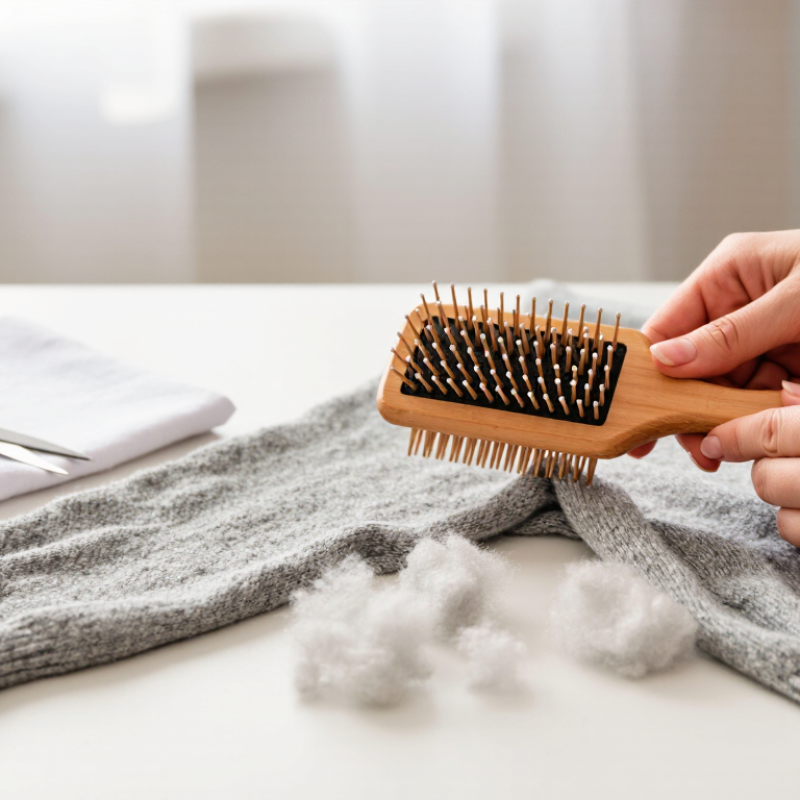
Gwen Whiting, co-founder of The Laundress, has shared a practical care principle: “The less you wash your clothes, the longer they will last.” That advice matters here. A gentle sweater comb, fabric shaver, or small pair of scissors can remove pills carefully. Never pull them by hand. Pulling may stretch the yarn and create a thin, uneven patch. Work on a dry, flat sweater under bright light. Move slowly across one small area at a time.

This guide focuses on methods used in real garment care, not quick tricks that damage fibers. Cashmere, wool, cotton, and synthetic blends may react differently. Test first. Always. I have found that even careful shaving can remove too much surface fiber when the tool is too sharp. That is an easy mistake. After treatment, wash the sweater inside out, use cool water, and dry it flat. A breathable drawer also helps reduce friction. Pilling may return. That is normal. The goal is not permanent perfection, but a cleaner appearance and longer, more thoughtful wear.
2026 How to Fix Pilling on Knit Sweaters?

What Causes Pilling on Knit Sweaters in 2026?

2026 How to Fix Pilling on Knit Sweaters?

What Causes Pilling on Knit Sweaters in 2026?

Pilling happens when loose fiber ends tangle on the sweater’s surface. Friction then rolls them into small balls. Sleeves, underarms, and side seams usually show pills first. These areas rub against desks, bags, seat belts, and coat linings.

Fiber type matters, but it does not explain everything. Softer fibers often have shorter or finer strands that escape more easily. Loosely spun yarn can also pill because its surface fibers move with less resistance. A tightly knitted sweater may resist pilling better, although repeated rubbing can still create fuzz. Moisture, body oils, and static electricity may increase surface friction during wear.

Washing can accelerate the problem. Hot water, strong agitation, and overfilled drums push garments against each other. Even a gentle detergent cannot prevent mechanical rubbing. I once blamed the detergent on a favorite sweater. Later, I noticed its worst pills appeared where my arm touched a rough desk edge. That detail changed my care routine.

Fit also plays a quiet role. A tight sleeve stretches across the elbow and creates repeated stress. A loose shoulder may rub against outerwear. Frequent wear without resting the knit gives fibers little time to recover. Pilling is not always proof of poor quality. Sometimes it reflects softness, construction, and daily friction working together.

How to Prepare a Sweater Before Removing Pilling

2026 How to Fix Pilling on Knit Sweaters?

Before removing pilling, prepare the sweater carefully. Check the care label and inspect weak seams, loose threads, and stretched cuffs. Wash and dry the garment first, unless the label advises otherwise. Dirt can hide pills and make the surface harder to judge. Lay the sweater flat on a clean towel. Keep it dry. Button closures and close zippers before inspection. They can catch delicate yarns.

Use bright, angled light to locate dense pilling around the elbows, underarms, and side seams. Test a fabric shaver or fine comb on an inside hem. Hold the knit gently, but keep the surface reasonably firm. Do not pull individual pills with your fingers. That may remove sound fibers and enlarge small gaps. A 2024 Textile Exchange report estimated global fiber production reached about 124 million tonnes in 2023. Careful maintenance matters as production continues rising.

Remove pills slowly, using short passes and minimal pressure. Stop when the surface looks even, not perfectly new. That expectation is difficult, but useful. Some fuzz is normal wear, especially in soft, loosely spun knits. WRAP research estimated that extending clothing life by nine months can reduce its carbon, water, and waste footprints by about 20–30%. I sometimes over-clean a sweater and regret it later. Leaving minor pilling may protect the knit better than chasing every fiber.

2026 How to Fix Pilling on Knit Sweaters?

How to Prepare a Sweater Before Removing Pilling

Before removing pills, wash the sweater according to its care label, let it dry completely, and place it flat on a clean surface. The chart shows common reference temperatures used on care labels for different knit fibers; always follow the garment’s actual instructions because fiber blends and finishes can require different settings.

Step-by-Step Methods for Removing Sweater Pills Safely

How to Fix Pilling on Knit Sweaters?

Pilling forms when loose fibers twist into small balls through repeated rubbing. Sleeves, underarms, and side seams usually show it first. Textile Exchange’s 2024 Materials Market Report estimates global fiber production reached 124 million tonnes in 2023. More clothing means careful maintenance matters.

Start with a clean, completely dry sweater. Lay it flat on a table. Use a fine lint comb for delicate wool, moving in one direction with light pressure. For sturdier knits, guide an electric fabric shaver slowly across the surface. Do not press hard. Never pull pills by hand. That can remove healthy fibers. Small scissors can trim stubborn pills, but keep the blades parallel to the fabric. Test every method inside a hem first.

Work slowly.

After removal, turn the sweater inside out. Wash it on a cold, gentle cycle with similar soft garments. Avoid rough towels, overloaded machines, and high heat. Reshape the sweater while damp, then dry it flat. The American Association of Textile Chemists and Colorants’ TM61 standard uses five 45-minute accelerated laundering cycles to evaluate color change. It is not a home-care rule, but it shows how repeated washing increases textile stress. I sometimes overuse a shaver when impatient. That mistake makes thin areas weaker. Pilling may return, especially on blended yarns, so inspect high-friction zones after each wash.

How to Repair and Refresh the Sweater Surface

2026 How to Fix Pilling on Knit Sweaters?
How to Repair and Refresh the Sweater Surface

Pilling appears when loose fibers twist into small balls through friction. Sleeves, underarms, and side seams usually show it first. I remove pills on a dry, flat sweater under bright light. A fabric comb gives the most controlled result. Hold the knit gently, then make short strokes in one direction. Do not press hard. Excessive pressure can pull loops from the surface.

For stubborn pills, use a battery-free sweater shaver with a protective guard. Test it inside the hem before treating visible areas. Cashmere and other delicate knits need especially light contact. Stop when the surface looks even. Do not chase every tiny fiber. That mistake can thin the fabric. I once overworked a sleeve and created a faint shiny patch. It was repairable, but not invisible.

Refresh the sweater afterward by removing loose fibers with a soft clothes brush. Air it flat instead of hanging it, which can stretch wet knitwear. Wash according to the care label, preferably inside a mesh bag with similar soft garments. Keep rough denim, zippers, and abrasive towels away from the knit. For a pulled loop, never cut it immediately. Use a blunt needle to ease it back through the fabric. If the loop remains loose, a professional textile repairer can secure it from the reverse side. Painstaking work. But safer.

How to Prevent Pilling During Washing, Drying, and Storage

How to Fix Pilling on Knit Sweaters in 2026

Pilling usually begins where fibers face repeated friction, such as underarms, cuffs, and side seams. During washing, turn the sweater inside out and place it in a mesh laundry bag. Use cold water, a gentle cycle, and a small amount of mild detergent. Hot water and crowded drums can increase rubbing and loosen short fibers. Check the care label carefully, because wool, cashmere, cotton, and synthetic knits may need different settings. Hand washing can be gentler, but rough squeezing still causes damage.

Drying needs equal care. Never twist a wet sweater. Press out water with a clean towel, then reshape the garment on a flat, dry surface. A hanger can stretch the shoulders and create new friction points. If machine drying is allowed, choose low heat and remove the sweater while slightly damp. High heat may shrink fibers and make pills harder to remove. I once used medium heat to save time; the sweater dried faster, but its cuffs became noticeably rougher. That was a poor trade.

Storage also affects surface wear. Fold knitwear instead of hanging it, and keep pieces loosely arranged in a breathable drawer or fabric bag. Avoid storing sweaters against rough zippers or unfinished wood. Make sure they are completely dry first. A fabric shaver can remove existing pills, but use light pressure and test a hidden area. It is not a permanent cure. Even careful routines cannot prevent every pill, especially on soft, loosely spun yarns.

FAQS

What causes pills on knit sweaters?

Loose fibers twist into small balls through repeated rubbing. Sleeves, underarms, cuffs, and side seams usually pill first. Friction is the main culprit.

How should I prepare a sweater before removing pills?

Make sure the sweater is clean and completely dry. Lay it flat on a table under bright light. Test your chosen tool inside the hem.

Which tool works best for delicate knitwear?

Use a fine fabric comb with gentle, one-direction strokes. Hold the fabric loosely and avoid pressing hard. Short strokes are safer.

Can I use an electric shaver on a sweater?

Use one with a protective guard on sturdier knits. Move it slowly across the surface without pressure. Stop when the fabric looks even.

Why should I avoid pulling pills by hand?

Pulling can remove healthy fibers and loosen nearby loops. Small scissors may trim stubborn pills, with blades parallel to the fabric. Do not rush this step.

How can I wash a sweater after removing pills?

Turn it inside out and use cold water with a gentle cycle. Place it in a mesh bag with similar soft garments. Avoid rough towels and crowded drums.

How should I dry and store knitwear?

Press out water with a clean towel, then reshape the sweater flat. Never twist wet knitwear. Fold it in a breathable drawer after it dries completely.

Can pilling be prevented permanently?

No routine prevents every pill, especially on soft, loosely spun, or blended yarns. Reduce friction with careful washing and storage. Pills may return. I sometimes overuse a shaver when impatient, and thin areas become weaker.

Conclusion

This guide explains how to fix pilling on knit sweaters by identifying why small fabric balls form, including friction, loose fibers, repeated wear, and unsuitable washing methods. Before removing pills, prepare the sweater by laying it flat, checking the fabric condition, and testing any tool on a hidden area. Safe removal methods include gently using a fabric shaver, sweater comb, or small scissors, while avoiding pulling the fibers or pressing too hard.

After removing the pills, lightly smooth the sweater surface and repair any loose threads to refresh its appearance. The guide also shares practical ways to reduce future pilling, such as turning sweaters inside out, choosing a gentle wash cycle, using cool water, avoiding excessive heat, drying flat, and storing knitwear neatly with enough space. With careful handling and regular maintenance, knit sweaters can remain softer, cleaner, and more attractive for a longer time.

Mason

Mason

Mason is a seasoned marketing professional with a deep expertise in the company's offerings and a passion for driving brand awareness. With a strong background in digital marketing strategies, he has an innate ability to connect with diverse audiences and effectively communicate product benefits.......