Ironing clothes can be a satisfying chore. However, many face an unexpected problem: bad smells on freshly ironed T-shirts. This leads us to the question, why do some T-shirts smell bad after ironing? The answer isn't always straightforward.
Several factors contribute to this issue. One major culprit is residual moisture trapped in the fabric. If T-shirts are damp when ironed, unpleasant odors can develop. Moreover, the type of detergent used and the cleanliness of your iron also play crucial roles. Ironing with a dirty iron spreads grime, which can cause lingering smells. Another factor to consider is the storage conditions of your T-shirts. Humid environments can cause fabrics to absorb musty odors, which become pronounced after ironing.
Understanding these nuances can help prevent unwanted scents. Implementing careful washing techniques, ensuring proper drying, and maintaining your iron are essential. Addressing these specific areas will lead to fresher results, making your ironing experience much more enjoyable. It's worth reflecting on these details to improve the quality of your garments and the overall ironing process.
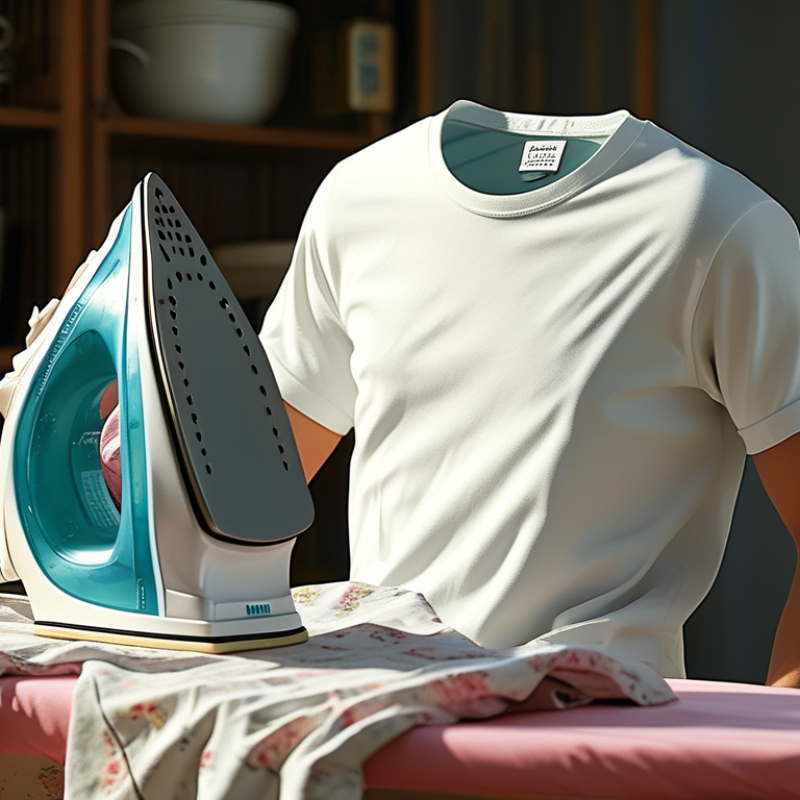
Choosing high-quality fabrics for your T-shirts is crucial in preventing bad smells. Fabrics like cotton, linen, and certain blends allow breathability. According to a 2021 survey by the Fabric Association, over 70% of consumers reported that breathable fabrics significantly reduced odors. This is essential during hot days or intense activities.
Synthetic fabrics, while they may offer durability, often trap moisture. This moisture leads to bacteria growth, resulting in unpleasant odors. A study published in the Journal of Textile Science highlighted that 65% of synthetic fabric wearers noticed a higher incidence of smell issues. Exploring options like bamboo or modal can enhance the odor-fighting capabilities of your wardrobe.
Paying attention to fabric content can make a significant difference. Some people may feel that all T-shirts are similar, but the quality varies. Many overlook the importance of fabric choice. Investing time in selecting the right material isn't just about comfort; it's about long-term wear and freshness. Being aware of fabric properties helps create a more enjoyable wearing experience.
When you iron your T-shirts, it’s tempting to fold them immediately. However, storing them while they are still warm can lead to unpleasant odors. Warm fabric can trap moisture. This creates the perfect environment for bacteria and mildew to thrive. If you notice a musty smell upon wearing your T-shirt, it’s likely because it wasn’t given enough time to cool down.
Let your freshly ironed T-shirts breathe. After ironing, hang them on a clothesline or place them on a flat surface for a few minutes. This allows the heat and moisture to escape. If you're in a hurry, consider using a fan to speed up the process. A quick air dry can be a game changer. A little patience can save you from repeated washes due to bad smells.
Even with proper care, accidents happen. Sometimes, clothes still end up in storage while warm. In such cases, don't be discouraged. Instead, try washing them immediately using a good detergent. Consider adding a cup of vinegar to the wash. It helps neutralize odors. Remember, every laundry ritual requires a bit of trial and error. Sometimes, the simplest details can make the biggest difference.
| Tip Number | Tip Description | Additional Notes |
|---|---|---|
| 1 | Avoid storing ironed t-shirts while they are still warm. | Warm fabric can trap moisture and odors. |
| 2 | Ensure thorough washing before ironing. | Use a quality detergent to eliminate any lingering smells. |
| 3 | Use fabric softeners in the wash. | This can help keep the fabric fresh. |
| 4 | Store t-shirts in a well-ventilated area. | Prevent moisture buildup by allowing air circulation. |
| 5 | Avoid using plastic storage bins. | Plastic can trap odors; use breathable storage solutions. |
| 6 | Add a few drops of essential oils to your wash. | Natural fragrances can help mask bad smells. |
| 7 | Avoid long-term storage in damp places. | Keep clothes stored in dry surfaces. |
| 8 | Use vinegar as a natural deodorizer in the wash. | It helps neutralize odors effectively. |
| 9 | Iron t-shirts at the right temperature for the fabric type. | Wrong settings can lead to odors being set into the fabric. |
| 10 | Frequent airing out of stored t-shirts. | This helps refresh the fabric and reduce any odors. |
When ironing, the cleanliness of your iron and ironing surface plays a critical role in preventing odors in your T-shirts. A dirty iron can transfer residues and build-up onto your garments. According to a study from the Textile Care Industry, approximately 25% of consumers reported unpleasant smells on their freshly ironed clothes. This suggests that many overlook the maintenance of their ironing tools.
Regularly cleaning your iron can help mitigate these issues. To keep it in top condition, wipe the soleplate with a damp cloth after each use. For deeper cleans, consider using a mixture of vinegar and water to remove scale and residue. The American Cleaning Institute recommends cleaning your ironing surface too. Any trapped debris or fabric particles can lead to unwanted odors being transferred onto clothing.
Moreover, ensure that your ironing surface, whether it’s a board or a flat surface, is free of dust and stains. Many people neglect this step, but it’s crucial. Dirty surfaces can emit smells when heated, affecting the freshness of your shirt. Maintaining these tools properly requires effort, but the benefits are significant. By addressing these details, the pleasant scent of freshly ironed clothes can be maintained, enhancing your overall laundry experience.
Proper storage techniques greatly influence the freshness of your ironed t-shirts. After ironing, allow your shirts to cool down completely. This prevents moisture buildup, which can lead to unpleasant odors. Once cool, choose a dry, clean place for storage. Avoid damp areas that might trap humidity and odors.
Using breathable garment bags is a smart choice. These bags allow air circulation while protecting your shirts from dust. Stack or hang the shirts neatly, ensuring they're not crammed together. Crumpled shirts can attract musty smells over time. If you have limited hanging space, consider rolling your shirts. This method reduces creases and maintains air flow.
Regularly check your storage areas. Dust or mold can develop unnoticed. Stores sometimes have stale odors, which could transfer to your clothes. If an odor does linger, consider air out your t-shirts before wearing them. Instead of simply folding them, occasionally refold and reposition them in storage. This minor adjustment can help maintain their freshness.
When it comes to preventing bad smells in ironed T-shirts, incorporating natural odor-absorbing agents in your storage is crucial. Studies indicate that effective odor management can significantly enhance the freshness of garments. For instance, a report by the Textile Research Journal noted that natural agents like activated charcoal and baking soda could reduce odors by up to 70%.
One excellent tip is to use activated charcoal bags in your storage area. These bags absorb moisture and odors while allowing air circulation. Place them near your folded T-shirts for optimal results. Another approach is to add dried lavender or cedar chips to your wardrobe. These natural scents combat mustiness while imparting a pleasant fragrance.
Storing T-shirts in breathable cotton bags can also help. These bags allow air to circulate, reducing moisture buildup. Remember, stagnant air often leads to unpleasant smells. Avoid using plastic bags, as they trap humidity. Monitoring your storage’s humidity levels using a hygrometer can also aid in maintaining a fresh environment. Ensuring that your storage area is dry and well-ventilated is essential. Regular checks can prevent accumulated odors from affecting your favorite T-shirts.
: Allow shirts to cool completely before storage. Choose a clean, dry place to avoid moisture.
Moisture can cause unpleasant odors. It's essential to keep your shirts dry to maintain freshness.
Use breathable garment bags for air circulation. Hanging or neatly stacking shirts helps to keep them fresh.
Regularly check storage areas for dust or mold. Crumpled shirts can attract odors, so store them neatly.
Yes, using activated charcoal or baking soda can absorb odors effectively. They help maintain freshness.
Breathable cotton bags are ideal. Avoid plastic bags, as they trap humidity and can lead to odor development.
Air out t-shirts before wearing them. Refolding and repositioning can also help in maintaining freshness.
Proper ventilation is crucial. Stagnant air can lead to unpleasant smells, so ensure good airflow in storage.
Yes, using a hygrometer can help. Keeping humidity in check prevents odors from accumulating in your wardrobe.
When it comes to maintaining the freshness of your ironed T-shirts, understanding "why do some T-shirts smell bad after ironing" is crucial. This unpleasant odor can often be attributed to several factors. Firstly, opting for high-quality fabrics can significantly reduce the likelihood of trapped odors. Additionally, it's important to ensure that your ironed T-shirts are cooled down completely before storage, as putting warm clothing away can lead to musty smells.
Moreover, a clean iron and ironing surface are essential in preventing the transfer of odors. Proper storage techniques, such as folding or hanging shirts correctly in a well-ventilated area, can further inhibit smells. Lastly, incorporating natural odor-absorbing agents, like baking soda or activated charcoal, into your storage routine can help maintain a fresh scent. By following these tips, you can keep your ironed T-shirts smelling great and ready to wear.

Orap Clothing