In the modern fashion landscape, many people find themselves asking, "what is the difference between activewear and loungewear?" Both clothing styles have distinct purposes yet can sometimes blur together. Activewear is designed for sports and physical activities. It features breathable fabrics and functionality. In contrast, loungewear emphasizes comfort and relaxation for home or casual outings.
The lines between these categories can be confusing. Activewear often includes leggings, sports bras, and moisture-wicking tops. These items enhance performance and mobility. Loungewear, on the other hand, includes sweatpants, oversized tees, and cozy hoodies that prioritize ease. Consumer perspectives vary widely, which can complicate choices.
Considering your lifestyle is crucial. If you engage in fitness, activewear may offer the best support. Meanwhile, for leisurely days at home, loungewear is ideal. Understanding these differences will help you select suitable attire for your daily activities. This understanding elevates your shopping experience and ensures you make informed choices.
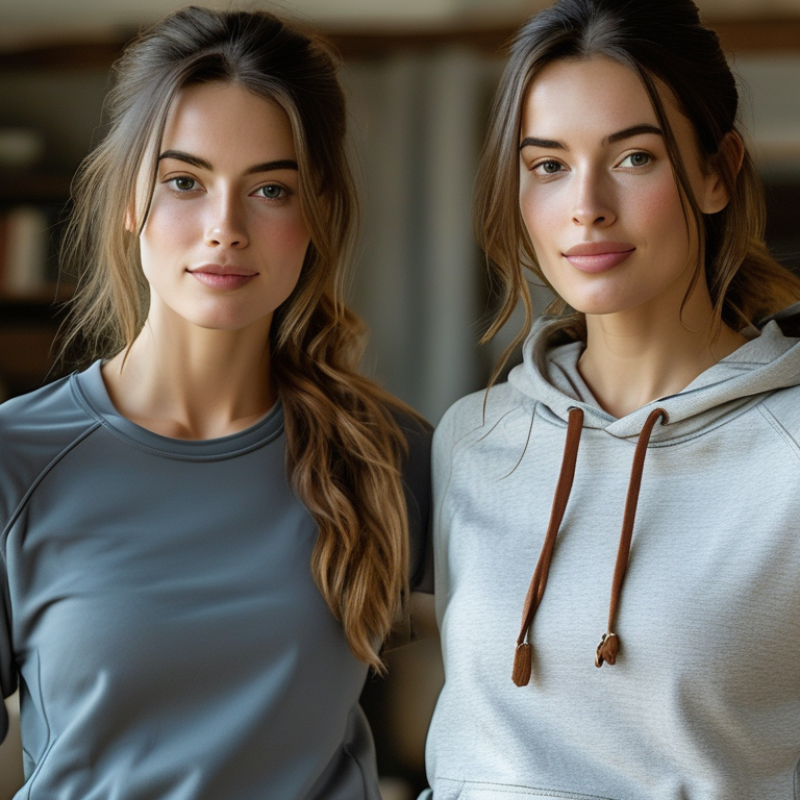
Definition of Activewear and Loungewear
Activewear is specifically designed for physical activities. It typically features moisture-wicking fabrics and flexible materials. These characteristics provide comfort during workouts. People often wear activewear for jogging, gym sessions, and yoga classes. The emphasis is on functionality and movement. It’s engineered to enhance performance and prevent distractions.
Loungewear, on the other hand, is all about comfort and relaxation. These cozy outfits are ideal for home use. They often include soft fabrics like cotton or fleece. People wear loungewear for casual gatherings or lazy weekends. The aim here is to create a sense of ease and comfort. Unlike activewear, style may take a backseat. There is often a sense of sloppiness in loungewear choices.
Both clothing types serve distinct purposes. Many individuals may blur the lines between them. However, it’s essential to assess when and where each attire fits best. Recognizing the difference could enhance your wardrobe choices. Selecting the right outfit can improve your overall mood and productivity. Ultimately, it might be worth considering the situations where you wear them.
Key Features of Activewear
Activewear is specifically designed for physical activities. It often features moisture-wicking fabrics that keep the wearer dry. These materials help to regulate body temperature during intense workouts. The fit is usually more snug, providing support where it’s needed most. For instance, leggings often come with an elastic waistband for added comfort during movement.
Another key feature of activewear is its durability. It must withstand rigorous activities without losing shape or function. Many styles also incorporate reflective elements for safety during outdoor exercises. Stretchable fabrics allow for full range of motion, enhancing performance.
However, not all activewear is created equal. Some may lack breathability or support, leading to discomfort. Evaluating the fabrics and construction quality is essential. It's a learning process to find the right balance between functionality and style.
Key Features of Loungewear
Loungewear is all about comfort and relaxation. It consists of soft, breathable fabrics that feel good against the skin. Ranging from oversized sweatshirts to loose-fitting pajamas, these pieces encourage easy movement. The goal is to create a cozy atmosphere, whether you're binge-watching your favorite show or enjoying a lazy Sunday.
Color and style play essential roles in loungewear. Many people choose pastel hues or neutral shades to promote tranquility. When selecting loungewear, look for items with a bit of stretch. This flexibility allows for unwinding after a long day. However, not all loungewear is created equal. Some may lack durability or design appeal. Interested buyers need to consider the fit and fabric quality carefully.
Accessories can enhance the loungewear experience. Adding a lightweight robe or fuzzy socks can elevate your comfort level. Yet, achieving the perfect look requires some trial and error. It's essential to find what feels right for you. Loungewear can easily become a daily go-to, but it's important to balance comfort and style while ensuring that each piece reflects your personality. Experiment with different combinations to find your ultimate loungewear outfit.
10 Best Differences Between Activewear and Loungewear
| Feature |
Activewear |
Loungewear |
| Purpose |
Designed for physical activities like running or workouts. |
Made for relaxation and comfort at home. |
| Material |
Typically moisture-wicking and breathable fabrics. |
Often made from soft and cozy materials, like cotton. |
| Fit |
Usually more fitted and supportive. |
Tends to have a loose and relaxed fit. |
| Style |
Sleek, athletic looks with performance features. |
Casual styles, such as pajama sets and oversized shirts. |
| Versatility |
Generally intended for active use and can transition to casual wear. |
Mainly suited for indoor wear or casual outings. |
| Functionality |
Includes features like pockets for tech and anti-chafe stitching. |
Focuses on comfort with less emphasis on functionality. |
| Price Range |
Often on the higher end due to specialized materials. |
Typically more affordable, depending on style. |
| Care Instructions |
May require specific washing techniques to maintain performance. |
Easier care; often machine washable without special precautions. |
| Occasions |
Best for gym, sports, and fitness classes. |
Ideal for lounging, sleeping, or casual outings. |
| Trend Adaptability |
Activewear trends evolve rapidly, often tied to fitness fads. |
Loungewear trends may shift but often maintain timeless styles. |
Common Activities for Activewear vs. Loungewear
Activewear and loungewear serve distinct purposes, addressing different lifestyles. Activewear is designed for physical activities, from jogging to yoga. Reports indicate that the activewear market is projected to reach $500 billion by 2027, underscoring its rising demand. Individuals engaging in workouts need flexible, breathable fabrics that support movement. These garments often include moisture-wicking properties, ensuring comfort during intense activities.
In contrast, loungewear prioritizes comfort for relaxation and casual settings. Ideal for home use and errands, this clothing category has seen a 25% increase in consumer interest recently. Loungewear often features soft fabrics like cotton and modal, aimed at promoting ease. Individuals might wear these pieces while reading or enjoying a movie night.
**Tips:** Choose the right fabric for your activity. Look for breathable options for workouts and soft materials for lounging. Experiment with styles that blend comfort with fashion. Finding balance is essential, as overcommitting to comfort can lead to a lack of motivation in maintaining an active lifestyle.
10 Best Differences Between Activewear and Loungewear
Fabric and Comfort Differences Between the Two Styles
When comparing activewear and loungewear, fabric and comfort are key factors. Activewear is often made from high-performance materials like moisture-wicking polyester and spandex blends. These fabrics help to regulate body temperature and provide breathability during workouts. According to a recent report from the Sports & Fitness Industry Association, 70% of consumers prefer activewear that enhances their athletic performance.
Loungewear, however, focuses more on comfort and softness. Fabrics such as cotton, modal, and bamboo are common. These materials provide a cozy feel, making them ideal for relaxation at home. A study by the Global Apparel Market revealed that loungewear sales have surged by over 50% in recent years. This shift indicates a strong consumer preference for comfort-oriented clothing in everyday settings.
While both styles offer unique benefits, the choice often comes down to personal needs. For some, the snug fit of activewear may feel restrictive during leisurely moments. Others may find loungewear too loose and unstructured for casual outings. Each option has its niche, but comfort remains a common concern. It’s essential to find a balance that suits individual lifestyles.
Conclusion
The article "10 Best Differences Between Activewear and Loungewear" explores what is the difference between activewear and loungewear by defining each category and outlining their key features. Activewear is typically designed for physical activities, featuring moisture-wicking fabrics, support, and a fit that allows for easy movement. In contrast, loungewear emphasizes comfort and relaxation, often made with soft, breathable materials that prioritize ease of wear over performance.
Furthermore, the article highlights common activities suited for each style—activewear is ideal for workouts and sports, while loungewear is perfect for casual home activities or leisure time. Finally, it addresses the fabric choices and comfort levels that differentiate the two, indicating that while both serve distinct purposes, understanding their unique attributes can enhance your wardrobe for various situations.

 Orap Clothing