2026 Best Ways to Soften Stiff Newly Made Garments?

Time:2026-09-15 Author:Sophia
0%

Newly manufactured garments can feel surprisingly stiff, even when they look soft and attractive. The fabric may carry finishing agents, excess dye, sizing, or compacted fibers from production and packaging. Denim can feel board-like. Cotton shirts may sound crisp when folded. Synthetic blends can feel dry against the skin. These details often make new clothing uncomfortable before its first proper wash.

This guide explains how to soften stiff newly manufactured garments without weakening their fibers or damaging their shape. It focuses on practical textile-care methods, including gentle washing, controlled rinsing, careful drying, and safe fabric conditioning. The correct approach depends on fiber content, garment construction, color stability, and the care label. A softener that suits cotton may leave athletic polyester less breathable. Heat may relax some fabrics, but it can shrink others. Small tests matter.

Start with the label.

A hidden seam or inside hem can reveal how the fabric reacts to moisture and movement. Use cool or lukewarm water when the material is uncertain. Avoid aggressive scrubbing, excessive detergent, and high heat. These shortcuts may create temporary softness while causing fading, pilling, or distortion. I have found that patience is often more reliable than stronger products. Still, no method works perfectly for every garment. Some stiffness comes from the fabric structure itself, not removable residue. That limitation deserves honest attention. By combining textile knowledge with careful observation, you can improve comfort while preserving the garment’s fit, color, and usable life.
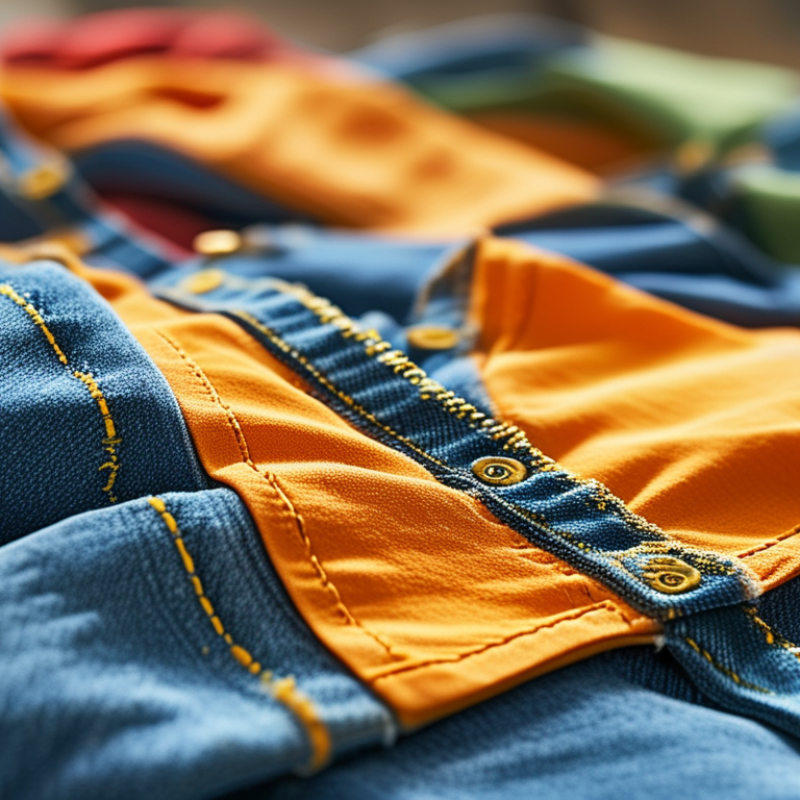
2026 Best Ways to Soften Stiff Newly Made Garments?

Why Newly Made Garments Feel Stiff

2026 Best Ways to Soften Stiff Newly Made Garments?

Why Newly Made Garments Feel Stiff

New garments often feel rigid because of finishing treatments applied during production. Sizing agents help fabric hold its shape during cutting and sewing. They can leave cotton shirts feeling crisp, almost like paper. Heat from pressing or drying may tighten surface fibers as well. Synthetic fabrics can feel firm because their filaments retain a molded structure after manufacturing.

Storage also matters. A garment packed tightly for transport may develop flat, compressed areas. Dust, excess dye, and finishing residues can add a slightly dry hand. I once blamed the fabric itself, but a careful wash changed my view. The stiffness came from several small factors, not one obvious cause.

Check the care label before washing. A gentle cycle with mild detergent usually removes some temporary finishes. Avoid excessive detergent, since leftover soap can make fibers feel harsh. Air drying often preserves softness better than high heat. For stubborn stiffness, lightly flexing the fabric after drying can help separate compressed fibers. Do not assume every garment needs softener. Some formulas coat fibers and reduce absorbency, especially in towels or active clothing. Test a small hidden area first. Results vary. Fiber content, fabric density, and finishing methods all influence the final feel. If stiffness remains after two careful washes, the construction may be naturally firm rather than improperly treated.

2026 Best Ways to Soften Stiff Newly Made Garments

New garments can feel stiff because of sizing agents, finishing treatments, compact packaging, and the fiber’s moisture absorption. The chart shows typical moisture regain values for common textile fibers under standard atmospheric conditions. Lower moisture regain often corresponds to a crisper or less absorbent hand feel.

Practical softening approach: Wash the garment according to its care label to remove temporary finishing residues, use an extra rinse when appropriate, avoid overdrying, and choose a compatible fabric softener only when the care instructions allow it. Gentle tumble drying or line drying can also help relax newly formed creases and stiffness.

Values are approximate typical moisture regain percentages at standard textile testing conditions; actual results vary with blends, finishes, yarn structure, and fabric construction.

Check Fabric Care Labels Before Softening

A stiff new garment is not automatically defective. It may contain sizing agents, finishing residues, or tightly packed fibers from production. Check the care label before adding any softening method. ISO 3758:2023 defines standardized textile care symbols for washing, bleaching, drying, ironing, and professional cleaning. Follow those symbols, not guesswork.

Start with the gentlest permitted wash. Use a small amount of mild detergent and select the listed temperature. Add an extra rinse only when the label allows it. Avoid chlorine bleach. It can weaken fibers and alter color. Fabric softener may reduce absorbency in towels and affect stretch fabrics, so use it cautiously. Air-drying can preserve shape, while low-heat tumble drying may soften cotton when specifically permitted. Never apply high heat to wool, silk, coated fabrics, or elastane blends without clear approval.

Read the fiber content, too. A cotton shirt may relax after several washes, while linen often remains naturally crisp. Synthetic fibers may need less heat, not more. The Textile Exchange Materials Market Report 2024 recorded global fiber production at about 124 million tonnes in 2023, making careful garment maintenance increasingly relevant. WRAP reports that extending clothing use by nine months can reduce carbon, water, and waste footprints by 20–30%. Small care decisions matter. I would still test an inside seam first, because labels cannot predict every finish, dye, or personal skin response.

Wash and Rinse New Garments Correctly

Wash and Rinse New Garments Correctly

Newly made garments often feel stiff because of finishing agents, compact fibers, or leftover production dust. A careful first wash can improve softness without damaging the fabric. Check the care label before adding water. It provides the safest guidance for fiber content, temperature, and drying.

Separate dark, light, and delicate items. Turn garments inside out, then wash them in cool or lukewarm water with a small amount of mild detergent. Avoid filling the drum too tightly. Crowded clothing cannot move freely, so detergent and residue may remain trapped.

I once washed a new cotton shirt with heavy towels, and it came out rougher than expected. That mistake changed my routine.

Tips: Choose a gentle cycle. Use less detergent. Add an extra rinse when fabric feels coated. Skip very hot water, especially for elastic or printed garments. Do not rely on fabric softener every time; it may reduce absorbency in towels and athletic fabrics. Press water out gently instead of twisting wet clothing. Air-dry garments on a clean rack, away from strong sunlight. A short tumble-dry cycle can help some cotton items, but excessive heat may shrink them. If the fabric remains stiff, wash it again after checking the detergent amount and water hardness. Sometimes the problem is not the garment.

Use Safe Natural and Commercial Softening Methods

Newly made garments can feel stiff because of finishing agents, compact weaving, or leftover sizing. Before softening them, read the care label and test an inside seam. This small check matters. Delicate fibers can lose shape quickly.

For a natural approach, wash the garment in cool or lukewarm water with a mild detergent. Add a small amount of distilled white vinegar to the rinse cycle, but never combine it with bleach or other cleaners. Vinegar can reduce residue and leave fabric less rigid. Do not overuse it; repeated acidic rinses may weaken some fibers or affect elastic components. Air-dry the garment, then gently shake and flex it while slightly damp. Avoid harsh wringing.

Commercial fabric conditioners can help, especially with cotton, linen, and sturdy blends. Choose a fragrance-free, fiber-compatible formula when possible. Follow the measured dose carefully. More product does not mean softer fabric. It may create a waxy coating, reduce towel absorbency, or irritate sensitive skin. A textile-safe softening spray can work for jackets and structured pieces, but spray lightly and test for spotting.

Heat can soften fabric temporarily, yet high temperatures may shrink or damage new clothing. I would start with one gentle wash, not several aggressive treatments. Some garments need time. If stiffness remains after careful care, the fabric construction—not residue—may be the real cause.

2026 Best Ways to Soften Stiff Newly Made Garments? - Use Safe Natural and Commercial Softening Methods

Method Best For How to Use It Recommended Water or Heat Expected Softening Effect Residue or Scent Fabric Safety Important Precaution
Repeated Washing and Air Drying Cotton, linen, denim, canvas, and other washable natural-fiber garments Wash according to the care label, then air-dry. Repeat as needed because fibers usually become more flexible over several washes. Use the care-label temperature; cool or warm water is generally gentler than hot water. Gradual and reliable; improves flexibility without adding a coating. No added residue or fragrance Low risk Excessive hot washing can cause shrinkage, fading, or weakened fibers.
White Vinegar Rinse Washable cotton, linen, and some sturdy blends that feel stiff after manufacturing Add approximately 120 ml of plain white vinegar to the rinse compartment. Do not mix it directly with chlorine bleach. Use the garment’s normal wash temperature. Moderate; helps remove alkaline detergent residue that can make fabric feel rigid. Vinegar odor usually dissipates after drying Medium risk Do not use on garments with acid-sensitive finishes, and never combine vinegar with bleach.
Wool Dryer Balls Durable washable garments, towels, cotton knitwear, and denim Place two to six clean wool dryer balls in the dryer with the garment. Remove the item promptly when dry. Use the lowest suitable dryer setting listed on the care label. Moderate; mechanical tumbling separates fibers and can reduce stiffness. No chemical residue; may have a mild natural wool scent Medium risk Avoid tumble drying items labeled “air dry,” and check for possible wool-fiber sensitivity.
Steam Treatment Structured cotton, linen, viscose, polyester, and garments that cannot be washed immediately Hang the garment and pass a garment steamer over the surface without pressing the steamer head against delicate fabric. Use the lowest effective steam setting and follow the care label. Quick temporary relaxation of surface fibers and creases. No residue or added scent Medium risk Test a hidden area first; steam can damage heat-sensitive trims, adhesives, or water-sensitive dyes.
Commercial Liquid Fabric Softener Washable cotton and sturdy synthetic fabrics when a soft feel and fragrance are desired Dilute and dispense only according to the product directions; add it during the rinse cycle rather than directly onto dry fabric. Follow the garment and product instructions; avoid overdosing. Strong immediate softness caused by a lubricating coating on fibers. May leave fragrance and a coating Medium risk May reduce absorbency in towels and athletic fabrics; avoid on flame-resistant, waterproof, or water-repellent garments unless approved by the care instructions.
Fabric-Softening Rinse Conditioner Households seeking a measured, lower-residue alternative to concentrated softener Use the recommended diluted amount in the rinse cycle and run an additional rinse if the fabric feels coated. Use the normal care-label wash temperature. Moderate to strong, depending on the formulation and dosage. Usually scented; may leave a light finish Medium risk Do not apply undiluted conditioner directly to garments because spotting or uneven coating may occur.
Baking Soda Wash Booster Sturdy washable cotton and workwear with detergent buildup or a rough feel Add a small amount to the wash with detergent. Use it as a wash booster, not as a replacement for the care label. Cool or warm water is generally suitable; follow the garment instructions. Mild; can help reduce odor and detergent buildup but is not a dedicated fiber conditioner. No fragrance; little to no residue when fully rinsed Medium risk Do not assume it is suitable for every dye, finish, or delicate fiber; test an inconspicuous area first.
Manual Kneading and Fabric Massage Heavy cotton, denim, canvas, and garments that need localized softening After washing, gently flex, roll, and massage the fabric while damp. Avoid pulling seams, collars, or decorative details. Use no heat; allow the garment to dry according to its care label. Gradual; improves pliability through mechanical movement. No residue or scent Low risk Use gentle pressure on dyed or loosely woven fabric to reduce the chance of distortion.
Professional Textile Cleaning Tailored garments, embellished clothing, lined pieces, and items marked “dry clean only” Tell the cleaner that the garment feels stiff and request advice based on the fiber, finish, lining, and construction. Cleaning process is selected by the professional according to the garment. Variable; may improve hand feel while preserving structure. Depends on the cleaning process Low risk Do not attempt home washing or steaming when the care label prohibits it.

General rule: Check the care label first, test any new treatment on a hidden area, use the smallest effective amount of product, and avoid combining different chemical treatments.

Dry, Air, and Store Garments for Lasting Softness

Newly made garments can feel stiff because fibers retain finishing agents, compact packing, and factory moisture. Softness improves when drying is gentle, even, and unhurried. Shake each garment after washing, then smooth seams and cuffs by hand. A short, low-temperature tumble can loosen fibers without baking them. I still over-dry towels sometimes. That habit leaves cotton rough and wastes energy.

Air matters too. Hang garments in moving air, not against a damp wall. Keep direct midday sunlight away from dark or delicate fabrics, since repeated ultraviolet exposure can weaken fibers and fade color. Leave space between hangers. Crowded fabric dries slowly and may develop a stale smell.

The U.S. Department of Energy reports that clothes dryers use about 6% of household electricity, so line-drying can reduce energy demand when conditions allow.

Storage protects the softness you created. Fold knitwear loosely, and place heavier items flat to prevent stretched shoulders. Store completely dry garments in breathable drawers or cabinets. Avoid plastic covers for long-term storage, especially after humid washing days. WRAP’s Valuing Our Clothes research indicates that extending garment life by nine months can reduce carbon, water, and waste footprints by roughly 20–30%. That figure is useful, but real results vary with fiber, climate, and washing habits. Check the care label, test a hidden area, and accept that some fabrics need several gentle cycles before they soften.

FAQS

Why do newly made garments feel stiff?

Factory sizing, compact weaving, pressing heat, and finishing residues can make fabric feel rigid. Cotton may feel paper-crisp. Synthetic fibers can retain molded firmness.

Can washing soften a stiff new garment?

Usually, yes. Use cool or lukewarm water and mild detergent on a gentle cycle. One careful wash may remove temporary finishes.

Should I check anything before washing?

Read the care label first. Test the method on an inside seam. Delicate fibers may lose shape quickly.

Can vinegar help soften stiff clothing?

A small amount of distilled white vinegar in the rinse may reduce residue. Never mix it with bleach or other cleaners. Use it occasionally.

Should I use fabric conditioner?

It can help cotton, linen, and sturdy blends. Measure carefully. Too much may leave a waxy coating and reduce towel absorbency.

How should I dry garments for better softness?

Shake garments after washing and smooth the seams by hand. Air-dry them in moving air. Avoid high heat, which can shrink or damage fabric.

What if the garment remains stiff after two washes?

The fabric construction may be naturally firm. Dense weaving or structured fibers can resist softening. I once blamed the material too quickly.

How should stiff garments be stored?

Store them completely dry in breathable drawers or cabinets. Fold knitwear loosely. Leave space between hangers. Crowded fabric dries slowly and may smell stale.

Conclusion

Newly made garments may feel stiff because of finishing agents, tight weaving, leftover dye, or fibers that have not yet relaxed. Before trying to soften them, always read the care label and identify the fabric, recommended water temperature, washing method, and drying instructions. This helps prevent shrinking, color loss, stretching, or damage. A gentle first wash with a mild detergent can remove residue, while an extra rinse helps clear remaining soap and manufacturing treatments.

For those searching for how to soften stiff newly manufactured garments, safe options include a small amount of diluted vinegar during the rinse, a fabric-safe conditioner, or careful hand washing for delicate materials. Avoid excessive products, high heat, and harsh chemicals. After washing, reshape the garment, air-dry it when appropriate, and use a low-heat dryer setting only when permitted. Folding or hanging clothes properly after they are fully dry can help preserve flexibility and maintain a softer feel over time.

Sophia

Sophia

Sophia is a dedicated marketing professional with an exceptional depth of knowledge about her company's products and services. With a keen understanding of market trends and customer needs, she crafts insightful blog posts that not only inform but also engage readers, enriching the company’s online......